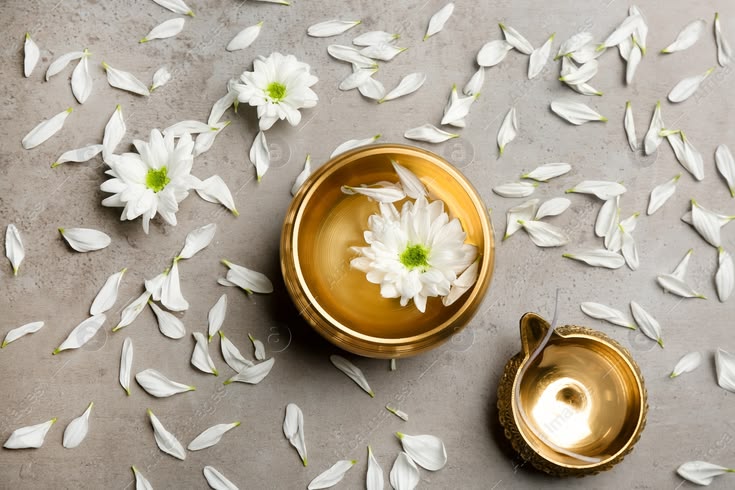
Your inbox is full. Your shoulders are up near your ears. You've read the same message three times and still don't know how to reply.
Someone tells you to try meditation, and you think: I don't have time to sit still for half an hour.
Here's the good news. You don't need half an hour. You don't need a quiet retreat, a special cushion, or any experience at all. You need five minutes and the sound of a bell.
This guide gives you a simple relieve stress meditation you can do anywhere, plus what science says about why short practices work, what to do when your mind won't settle, and how to make it a daily habit.

Why short meditation works for stress
Many people believe meditation only "counts" if it's long. Research suggests otherwise.
In a randomized controlled study published in Cell Reports Medicine in 2023, researchers at Stanford asked more than 100 volunteers to practice either mindfulness meditation or one of three breathing exercises for just five minutes a day over one month.
All groups reported less anxiety and a better mood. Interestingly, the exercise that stood out most was one focused on long, slow exhales, which led to greater improvements in mood and a lower breathing rate at rest compared with mindfulness meditation alone. The researchers concluded that a daily 5-minute practice built around extended exhales shows real promise as a stress management tool.
That's why the practice below combines both: simple meditation and exhale-focused breathing, in one short session.
There are a few other reasons five minutes meditation is so effective for busy people:
Stress shows up in the body first. Shallow breathing, a tight jaw, and a racing heart are signs your body is on alert. A few minutes of slow breathing sends the opposite message: you're safe enough to slow down.
Short sessions are easier to repeat. A practice you actually do every day beats a perfect one you keep postponing.
It interrupts the stress loop. One worried thought tends to trigger the next. A short pause breaks that chain and gives you a little space before you react.
Why use a meditation bell?
When you meditate with a timer on your phone, it's easy to spend the whole session wondering, "How much time is left?" That quiet clock-watching adds its own layer of tension.
A meditation bell solves this. It rings to begin, rings again at the halfway point, and rings once more to close. You no longer need to track time. You just follow the sound.
A bell also gives your attention a gentle anchor. Its tone rings out, lingers, and slowly fades, which naturally draws your focus into the present moment and invites your breathing to slow down.
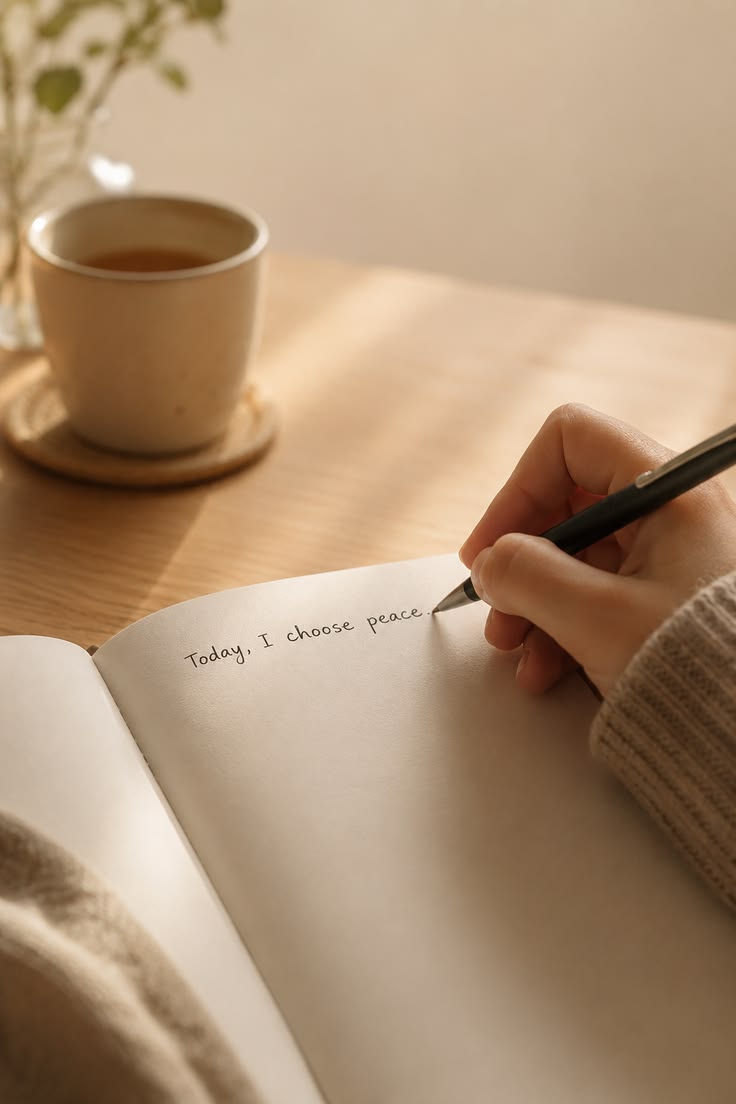
What to do when your mind wanders
Here's something that surprises many beginners: your mind will wander, probably many times.
That's not a sign you're doing it wrong. Research from Harvard found that people's minds wander during nearly half of their waking hours. A wandering mind is simply how humans are built.
The goal of meditation isn't to stop thoughts. It's to notice when you've drifted and gently come back. Each time you do that, you're strengthening the exact skill that helps you handle stress in daily life.
A few tips that make this easier:
Don't fight your thoughts. Pushing thoughts away often makes them louder. Let them pass like clouds moving across the sky.
Name what's happening. Silently say "planning," "worrying," or "remembering." Naming a thought creates a little distance from it.
Pick one anchor. Choose your breath, the rise of your belly, or a sound in the room, and keep returning to it.
Let the bell help. If you spent the first half lost in thought, the middle bell gives you a clean restart.
Be kind to yourself. Coming back is the practice. Every return is a small success.
How to make it a daily habit
One session can help you feel calmer today. A daily practice can change how you respond to stress over time. The Stanford study, after all, looked at people practicing every day for a month.
Here's how to make meditation for stress and anxiety part of your routine:
Link it to something you already do. Meditate right after your morning coffee, before lunch, or when you get home. Your existing habit becomes the reminder.
Keep the same time and place. Fewer decisions make it easier to show up.
Make it easy to start. Set your bells once in an app so you can begin with a single tap.
Allow short days. On busy or difficult days, even one minute counts. Consistency matters more than length.
Track your practice. A streak or a quick journal note after each session helps you see progress and notice how your mood changes.
Use it when stress spikes. Once the practice feels familiar, use it before a hard conversation, after a stressful email, or when you can't sleep.