It's nine in the evening. You're tired but not remotely sleepy. Your head is full of noise even though nobody has spoken to you in an hour, and resting would be the sensible move except nothing on offer feels restful.
That state has a name, and the name isn't tiredness. It's overstimulation, and it needs close to the opposite treatment from a sleep debt. Giving it more input, which is what a phone does, keeps it running.
So here's a menu instead, sorted by the thing that actually decides what you'll do: how much time you have.
Overstimulated is not the same as tired
From the inside these feel similar, and they need opposite responses.
Sleep debt needs sleep. Nothing substitutes for it. Overstimulation needs fewer inputs, and sleep doesn't clear it on its own, which is why you can wake up from eight decent hours and still feel scraped thin by eleven.
The signs are recognisable once you know them. Restless without being energetic. Unable to choose what to do with a free hour, so the hour goes by undecided. Irritable at small things. Reading the same sentence three times without any of it going in. Ordinary noise becoming genuinely annoying.
Scrolling makes both states worse, for an unremarkable reason: it adds input to a system that's already full. There's research consistent with that. A diary study of 450 workers in South Korea compared phone breaks with what the authors called conventional breaks, meaning walking, talking to someone, or a nap. Both helped somewhat, but at reducing emotional exhaustion the phone breaks were significantly less effective. The break that asks the least of your body asks the most of your attention.
Why analog is having a moment
The counterweight is showing up in the industry data too. The Global Wellness Institute's 2026 sleep trends name a shift they call "from sleepmaxxing to simplicity," noting that people aren't abandoning sleep technology so much as getting selective about it, and returning to consistent routines and simple environments. Device-free bedrooms and analog wind-downs are part of the same drift.
None of this is anti-technology, and framing it that way makes it sound like a moral position rather than a practical one. The point is narrower: creating a stretch of time that contains no new information.
That's the one thing every item below has in common. Few choices, no notifications, one thing happening at a time.
If you have two minutes
Look out of a window at something far away, which relaxes the eye muscles that have been locked at arm's length all day.
Take a few slow breaths with the exhale longer than the inhale. Splash cool water on your face. Stand up and roll your shoulders and neck, particularly if you've been in one chair since lunch.
None of this is impressive. All of it interrupts the state, which is the only job two minutes can do.
If you have twenty minutes
Walk without headphones. This is the strongest item on the list. In one small study, 38 people took a 90-minute walk either through greenspace or beside a busy road; the nature walkers showed reduced rumination afterward and lower activity in a brain region associated with depression risk, while the road walkers showed neither. It was a small sample, so hold it loosely, but a walk with something green in it and nothing in your ears is a reasonable bet. More on the unhurried version in The Mindful Autumn Walk.
Listen to one familiar piece of music from beginning to end, doing nothing else. Familiar matters, because a new album is new information.
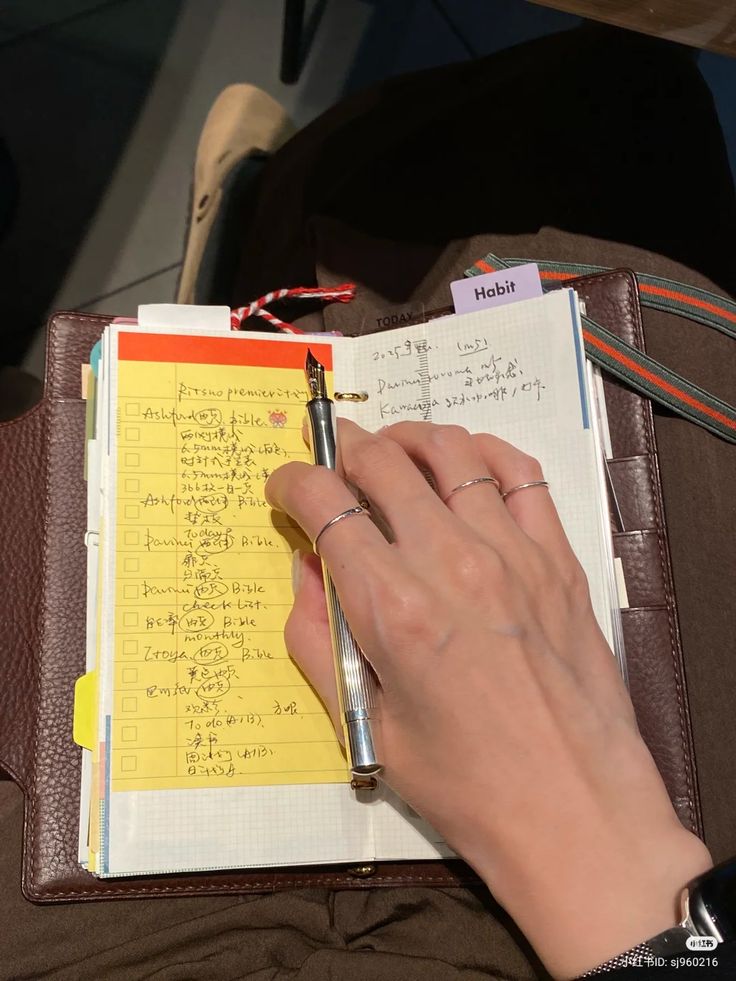
Write a few lines on paper. Not journaling with a capital J. Just getting the loop in your head out of your head and onto something that can't notify you.
Make a hot drink and actually drink it, slowly, without bringing the phone.
Lie down in a dark room without trying to sleep. Twenty minutes of low light and no task is restorative even fully awake.
If you have an afternoon
Cook something that takes time, the kind of recipe with stages. Chopping is a genuinely good use of a full brain.
Make something with your hands: draw, sew, repair the thing that's been broken since spring, repot the plants. Physical work with a visible result is unusually satisfying when your job produces nothing you can hold.
Go somewhere and don't photograph it. Photographing an afternoon turns it into material, and material is work.
See a friend with your phone in your pocket. Not on the table, face down, waiting. In your pocket.
One quiet minute as a reset
If all of that sounds like more than you can organise tonight, start with the smallest unit: a short stretch of quiet with a clear beginning and a clear end. The boundaries matter more than the length. A minute that starts and stops on purpose feels different from a minute of drifting.
One catch worth knowing: for a lot of people, complete silence makes thinking louder rather than quieter. With nothing to attend to, attention goes hunting and finds the unresolved conversation. A single sustained sound is often easier to rest attention on than silence, which we got into in Why Silence Feels So Rare.
Here we should be open with you: we also build Zen Bell, a small meditation bell app made by the team behind this blog. It does one thing. It rings a bell, holds a quiet stretch of time for you, and then gets out of the way. No streaks, no badges, no leaderboards, nothing to scroll. A small bell amid big days.
Make it easier to choose
The reason analog rest loses is rarely that people prefer the phone. It's that the phone is already in your hand and the book is upstairs.
So stack the room in your favour. Leave the book where you'll trip over it. Charge the phone in another room, not beside the bed. Put the notebook on the kitchen table.
And decide in advance. Pick tonight's version now, while you're capable of choosing, because a depleted brain at 9pm will pick whatever needs no decision. That's the whole reason bed rotting wins so often.
Then start with twenty minutes rather than an evening. Twenty minutes is short enough that you'll actually do it, and long enough that you'll notice.
Give your senses less to do
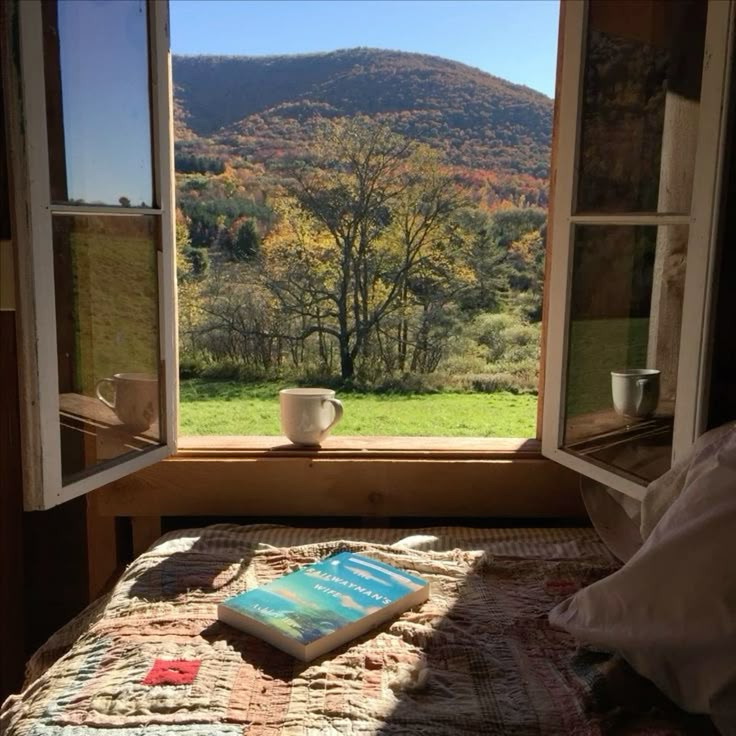
Rest isn't doing nothing. Plenty of restful things involve chopping vegetables or walking three kilometres. What they have in common is that your senses get less to process, not that your body stops.
Pick one thing from the twenty-minute list and do it tonight. That's the experiment, and you'll have the result by bedtime.