You bump into an old friend at the pharmacy. "Hey! How have you been?" Before you have even thought about it, the answer is already out: "Oh, so busy."
You say it with a small sigh, the way you would a complaint. But if you are honest, there is something else in it too, a faint note of pride. Busy means needed. Busy means things are happening.
It is worth asking how "busy" became such a reliable answer, why it can sound almost like a boast, and what it quietly costs.
"Busy" as the new answer to "How Are You"
Not long ago, "fine, thanks" was the standard reply. Now "busy" often takes its place, and the word does a lot of work. It tells the other person that you are in demand, that people rely on you, and that your time is worth something. It is a complaint that doubles as a credential.
There is a flip side. If being busy means being valuable, then having free time can start to sound suspicious. Saying "honestly, things are pretty quiet" can feel like admitting you lack ambition. So people round up. Two meetings become "slammed." A free Saturday goes unmentioned.

How busyness became a signal
For most of history, the opposite was true. In 1899, the economist Thorstein Veblen wrote The Theory of the Leisure Class, arguing that the wealthy showed their status through conspicuous leisure. Visible free time was proof that you did not need to work.
A 2017 paper in the Journal of Consumer Research suggests that, in some places, this has flipped. Through a series of studies, Silvia Bellezza of Columbia Business School, Neeru Paharia and Anat Keinan found that Americans increasingly see busy, overworked people as having high status. The researchers drew participants mostly from the United States and Italy, and the cultural difference was striking. Among Americans, busyness at work was linked with high status. Among Italians, the effect was reversed, and a leisurely life still read as a sign of status.
Keinan has described the shift in a simple way. Traditional status symbols were about owning scarce, expensive things like jewelry or cars. The newer version is about presenting yourself as the scarce resource, and therefore as valuable. The researchers also linked the cultural difference partly to beliefs about social mobility. Where people believe hard work is the path to getting ahead, long hours start to look like evidence of worth.
It is worth holding these findings lightly. They describe how people perceive others in particular cultures, not a universal law. But they do show that busyness is a signal, and signals are learned. That also means they can change.
What gets lost in a full calendar
Time to think, not just to do. A packed calendar leaves room for tasks, but rarely for reflection. Ideas tend to need loose, unhurried time to take shape, the kind that does not fit neatly between two appointments.
Conversations without a purpose. Some of the best talks have no agenda at all. A grandfather and his grandson spend a morning fishing on a quiet river. They say very little for hours, and somehow a great deal gets said. That kind of conversation is hard to schedule and easy to crowd out.
The guilt of sitting still. When busyness equals worth, stillness starts to feel like falling behind. You sit on a bench for ten minutes and find your hand reaching for your phone, just to look occupied, even to yourself.
None of this is about labeling anyone. It is about the texture of a life, and how much of it goes missing when every hour is spoken for.

Not everyone chooses to be busy
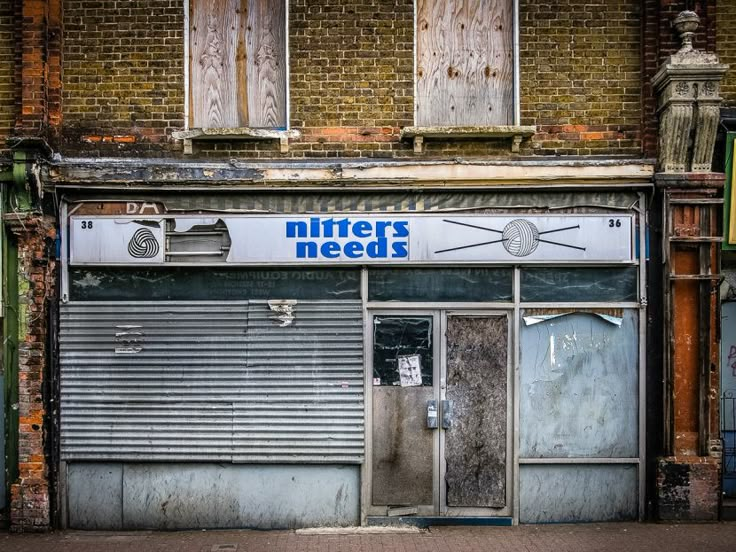
For many people, busy is not a badge at all. A shop owner who rolls up her shutter at six in the morning and pulls it down long after dark is not signaling anything. She is making rent. The same is true for people working two jobs or caring for a family member around the clock. For them, unclaimed time is not a lifestyle choice. It is something they may not have. Questioning busyness as a status symbol is really a conversation for those of us with a little more choice, and it means not mistaking necessity for virtue in either direction.
Reclaiming a little unclaimed time
Answer with something other than "busy." "Pretty good, I've been reading a great book." "I finally fixed my bike." A real answer often opens a real conversation, where "busy" tends to close one.
Keep one block of the week unscheduled. It is not for catching up or being productive. Picture a young mechanic on his lunch break, sitting in the sun outside the garage with a sandwich, eyes closed for five minutes while nobody needs anything from him. That is the idea.
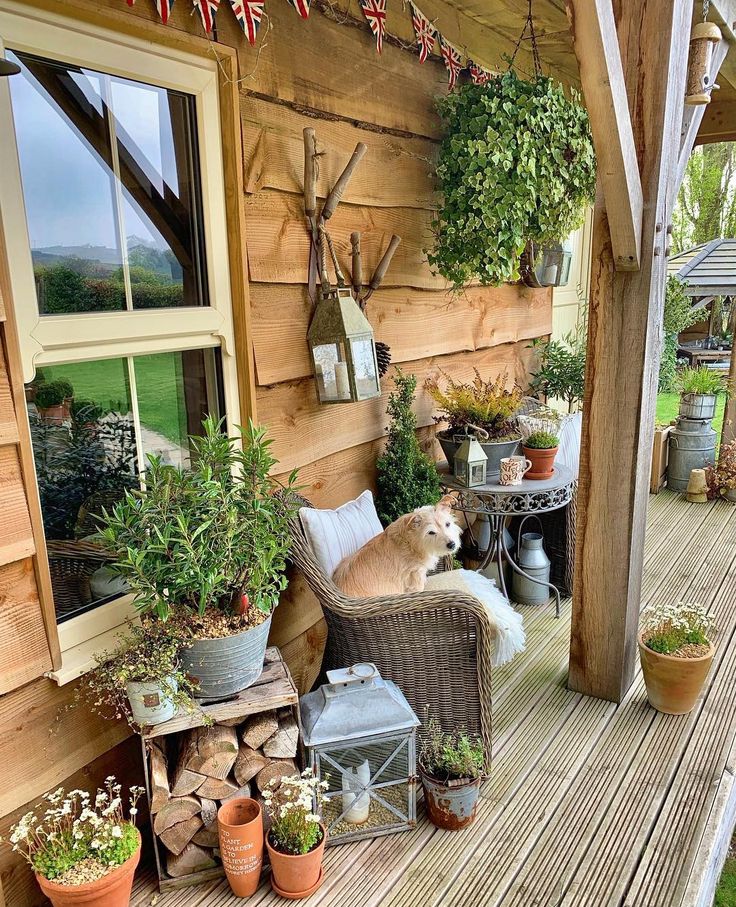
Don't explain your free time. You don't owe anyone an excuse for an empty afternoon. A mother sits on the porch with a cup of tea while the kids nap. If a neighbour asks what she's up to, "just sitting" is a complete answer.
Back at the pharmacy, or anywhere really, the question will come again: "How have you been?"
Maybe you will pause for half a second this time. Maybe you are busy, and that is fine to say. But there may be something truer underneath. "Tired, but the garden is doing well." "Good, actually. It's been a quiet week."
See what happens when the answer is about how you are, not how full your days have been. The conversation might go somewhere neither of you planned.