
For most of a workday, attention isn't fully anywhere. It's split between a document, a chat window, an email that just landed, and whatever thought was interrupted the last time something pinged. Researchers gave this state a name years before it became this common: continuous partial attention, a way of paying attention to everything at once by fully attending to nothing.
Why this feels different from just being busy
Being busy has an end point. A task list gets shorter, a meeting finishes, a deadline passes. Continuous partial attention doesn't work that way. It isn't about how much is on the list, it's about never fully arriving at any one item on it, because some part of focus is always held in reserve for the next interruption.
Recent workplace research puts a number on how often that interruption arrives: seemingly every couple of minutes during core work hours, whether it's a meeting, a message, or a notification. Over a full day, that adds up to hundreds of small breaks in concentration, few of which register individually, all of which add up. It's little surprise that meditation, sleep, and anxiety apps have become some of the fastest-growing categories on any app store; a fragmented mind looking for relief tends to reach for whatever promises to put it back together.
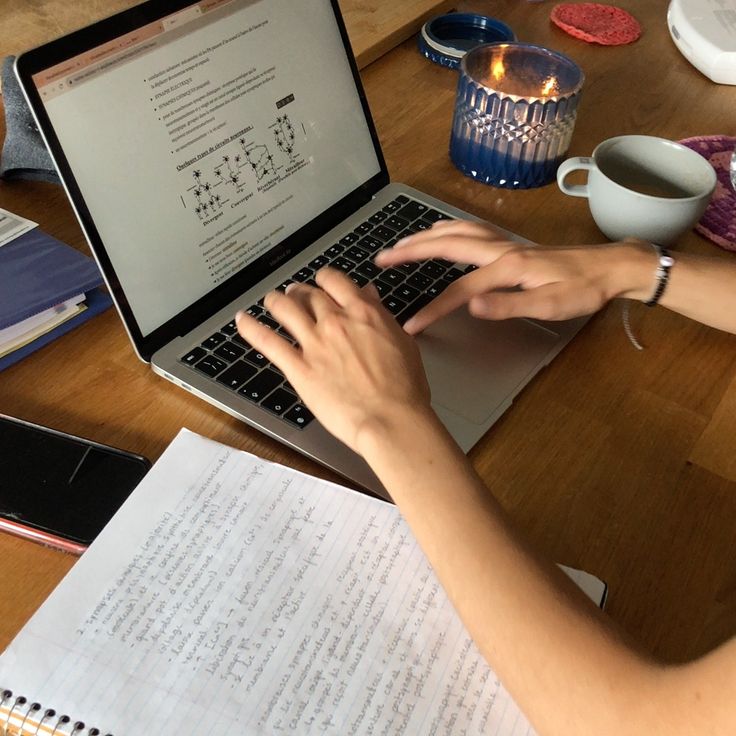
The problem isn't the interruption, it's the shape of it
A single interruption isn't inherently the issue; work has always had some. What keeps attention divided rather than momentarily paused is the shape of a standard notification: a badge to check, a preview to read, a decision about whether to respond now, later, or not at all. Each one is small, but each one asks something, and the asking is what keeps a mind partially somewhere else even after the phone goes back down.
Most meditation and anxiety apps, for all the calm they promise, ask for the same kind of decision at the door: open the app, choose a session, commit ten or twenty minutes. That's a reasonable ask for someone with the time and the will to make it. It's a much harder ask in the middle of a meeting, and it's exactly the moment continuous partial attention tends to bite hardest.
A signal that asks for less
An interval bell works on a different premise. It's a single, distinct sound, not a badge, not a preview, not a decision about who's asking, and not a session to start. There's nothing to triage. There's a tone, a breath, and then it's over. Because it doesn't compete for a place in an inbox or a notification center, it doesn't train the same partial-attention reflex that standard alerts do, and because it doesn't ask for a sleep-length or meditation-length commitment, it fits into the two minutes a fragmented day actually offers rather than the twenty a calmer one would.
This isn't a claim that one sound undoes what a full workday of pings creates, or replaces what a proper night's sleep or a longer meditation practice does for anxiety over time. It's a smaller, more specific claim: a signal that asks for one breath rather than a decision or a session has a different shape than most of what fills a day, and shape is often what determines whether attention gets a real, if brief, moment to land somewhere.

Zen Bell's part in this
Zen Bell rings on a schedule the person sets, using a real singing bowl recording rather than a standard alert tone. It doesn't ask for a reply, a swipe, a read receipt, or a session. It rings, there's a breath, and the day continues from where it was.
FAQ
What is continuous partial attention? It's a state where focus is spread across several things at once rather than settled on one, so that nothing gets full attention even when a person feels busy or engaged.
Does reducing notifications actually help with this? Reducing the volume of interruptions is part of it, but the shape of each interruption matters too. A single, low-demand signal tends to divide attention less than a standard alert that asks for a decision or a longer session.