
You decide to be in bed by eleven. You get there on time, pick up your phone for "just a few minutes," and somewhere between a video, a headline, and three messages, it's half past midnight. Your body is clearly tired, but your mind is still moving quickly.
The problem usually isn't willpower. It's that we expect to go from full stimulation to sleep in an instant. A digital sunset offers a gentler alternative: instead of switching off abruptly, you dim your evening gradually, the way daylight fades rather than disappears.
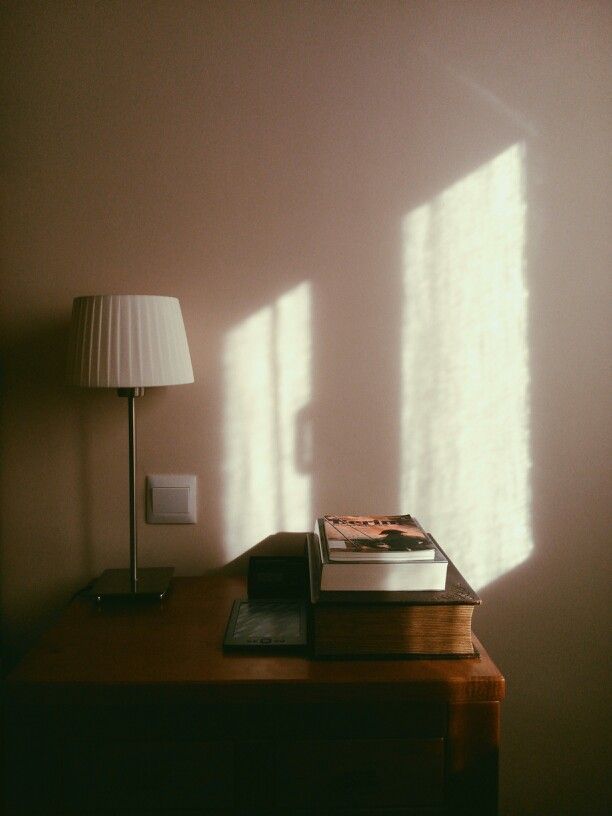
What is a digital sunset?
A digital sunset is a routine in which you reduce screen use step by step over the last hour of your day. Demanding content goes first, then lighter screen use, then no screens at all.
That makes it different from the familiar rule of putting your phone away an hour before sleep. That rule works for some people, but for many it fails on the first difficult evening, because it asks you to stop everything at once with nothing in between. A transition is easier to keep up.
Why late-night scrolling keeps you awake
Feeds deliver something new every few seconds, and each new item gives your mind something to process. A worrying headline or an unexpected work email adds emotional arousal on top of that, putting your body on quiet alert exactly when it should be slowing down.
Light plays a part too, though it's worth being careful about how large a part. In a well-known 2015 experiment, twelve adults read for four hours before bed, either on a light-emitting tablet or from a printed book. After the tablet nights, they took longer to fall asleep, produced less melatonin, had their body clocks shifted later, and felt less alert the next morning. That's a striking result, but four hours of screen light is a heavier dose than most people get in bed. Researchers also note that the link between screens and poor sleep may partly reflect later bedtimes, mental arousal, notifications, and the kind of content viewed. What you watch, and how late you stay up, may matter at least as much as the light.
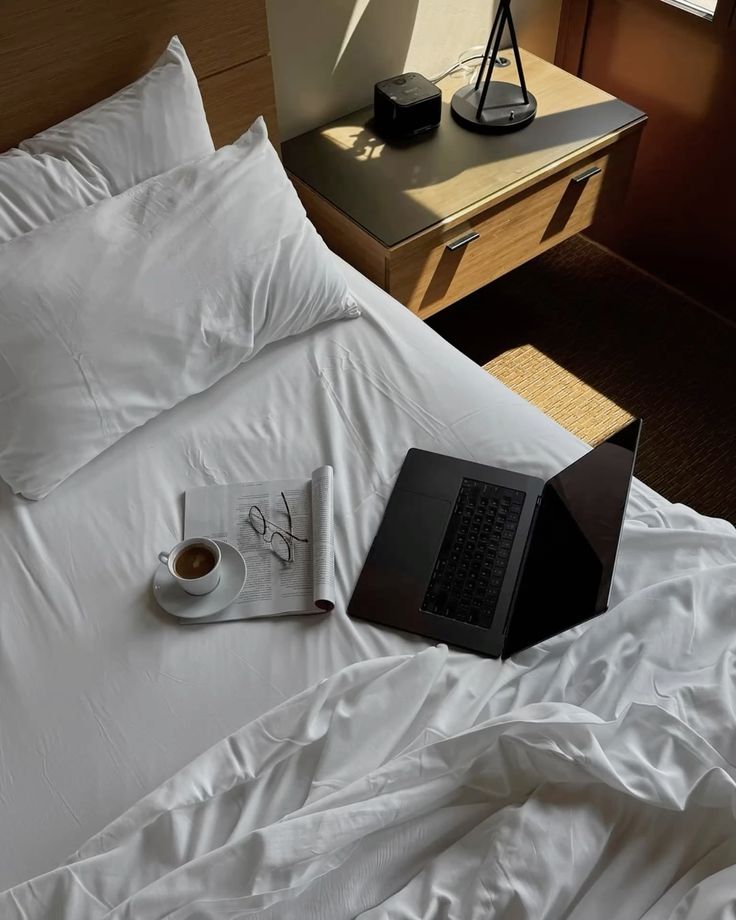
The 60-minute digital sunset
Minutes 60 to 40: close the loops. Reply to anything that genuinely can't wait, then stop. Write down two or three things you'll handle tomorrow. That short list gives your mind permission to let them go, instead of rehearsing them so they aren't forgotten.
Minutes 40 to 20: switch to low stimulation. Read a few pages, tidy the kitchen, shower, stretch, or listen to quiet music. At the same time, turn off bright overhead lights and use a lamp instead. Dimming your surroundings is one of the simplest signals that the day is ending.
Minutes 20 to 0: screens off. Put your phone out of reach, ideally in another room. Then lie down and take a few slow breaths, letting each exhale be a little longer than the inhale. You don't need to meditate or clear your mind. If lying in silence feels strange at first, you're not alone, which we explore in Why Silence Feels So Rare.
Make it easier to stick to
Good routines depend less on discipline than on setup. Charge your phone outside the bedroom, use an inexpensive alarm clock, and set do not disturb to switch on automatically at the same time each evening. Leave a book or notebook on your bedside table, because an empty gap is harder to protect than a filled one.
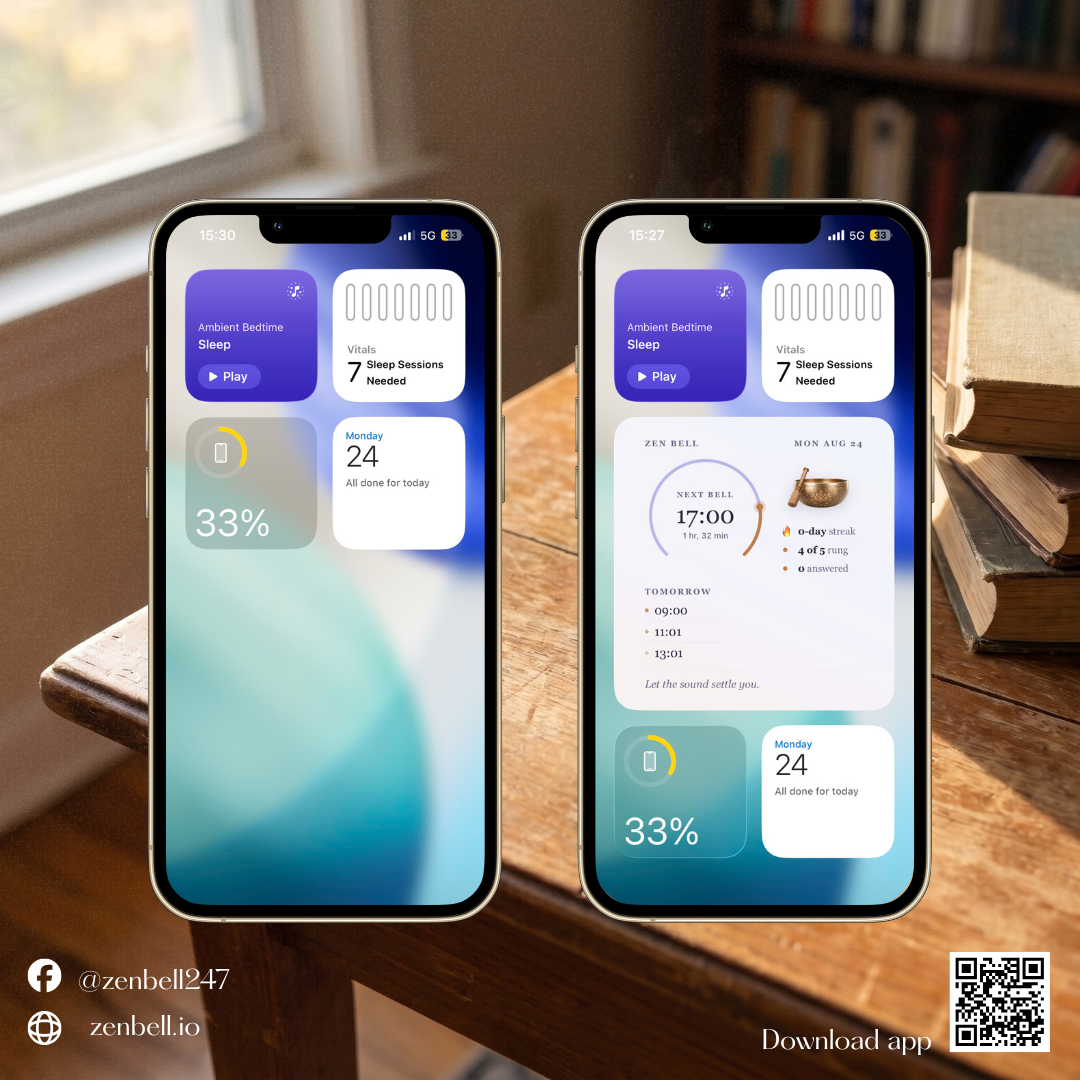
It also helps to have a signal to begin. Most people check the time on their phone to start winding down, which is exactly the habit they're trying to break. A soft sound works better. Some use a kitchen timer; others set a gentle bell in an app like Zen Bell, with one chime to open the digital sunset and another at lights out. After a few weeks, the sound becomes its own cue.
And if sixty minutes feels like too much, start with twenty. A twenty-minute sunset you keep beats an hour-long one you abandon after two nights.
What to expect
The first few evenings may feel restless or slightly boring. That usually settles within a week. You don't need to be perfect either: four evenings out of seven is already a meaningful change, since the benefit comes from the pattern rather than any single night. A quick note each morning about how you slept will show you more than one night can.
If you've slept poorly for several weeks despite changing your evening habits, it's worth mentioning to a doctor. Persistent sleep problems have many causes, and there are effective treatments.
Let the evening fade, not snap
Your day doesn't have to end like a light switch. Tonight, try one step: write tomorrow's list, dim the lights an hour early, or charge your phone in the next room. One small change is enough to start.