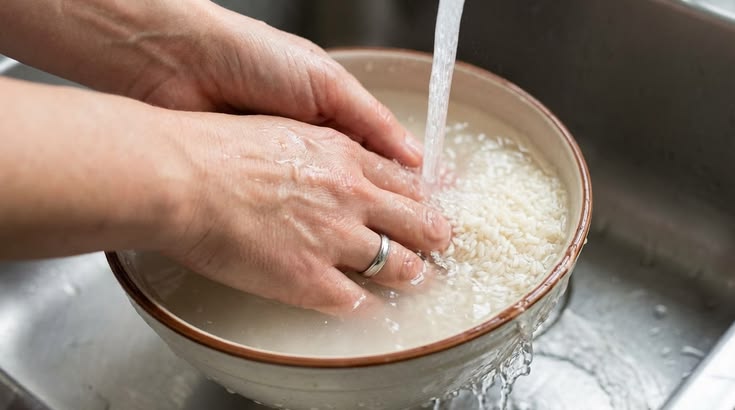
Tonight you rinse the rice more slowly than usual. Maybe you are tired, or maybe the day has finally let go of you. You pour water into the pot, push your fingers through the grains, and for the first time in years you actually hear it: a soft, dry whisper as the rice rubs against itself, the water clouding white like milk stirred into tea.
You have done this thousands of times. It has never sounded quite like this.
It is worth looking at how slowing down just one small task, not your whole life, can change the way an entire day feels.
Everything at full speed
We eat standing up, phone in the other hand. We walk as if we are late, even when we are not. We fold laundry in a rush to get to the next thing, which is usually more laundry.
Somewhere along the way, speed became the default setting rather than a choice. Nobody decided to hurry through dinner. It simply became the way dinner happens.
Being fast isn’t wrong. Plenty of days demand it. But when everything runs at the same speed, the whole day starts to blur into one long errand.
Why not slow down everything?
“Slow living” looks lovely in photographs. Linen napkins, long breakfasts, bread rising in a sunlit kitchen. But for a nurse working back-to-back shifts, a parent with a toddler clinging to one leg, or anyone with rent due on Friday, it can also sound like a lifestyle sold to people with more time and money than they have.
The honest truth is that most of us can’t slow everything down. Work has deadlines, children have needs and bills arrive regardless.
But one thing? Almost anyone can slow down one thing. It takes a few minutes and a single task. It doesn’t require a new lifestyle, just a small choice.
Choosing your one thing
Pick something you already do every day, something that takes a few minutes and doesn’t really need to be fast. Rinsing rice. Making tea. Folding laundry. Watering a plant. Washing one cup.
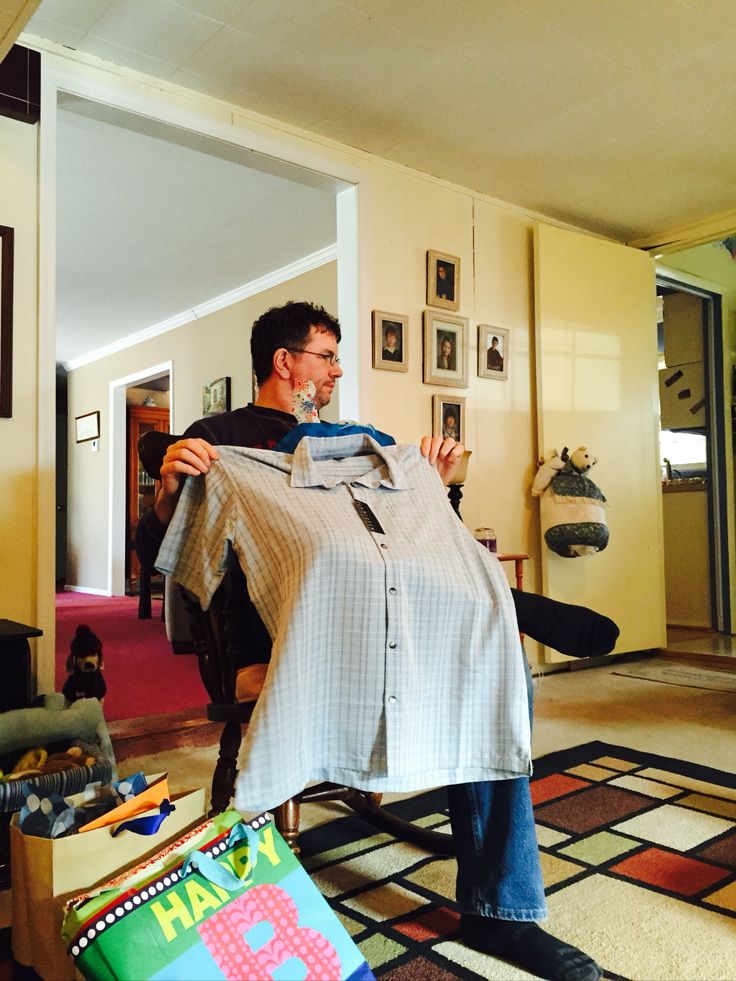
A grandfather folds his shirts the way his mother taught him, collar flat, sleeves tucked back, one smoothing palm along each crease. He could do it faster. He doesn’t want to.
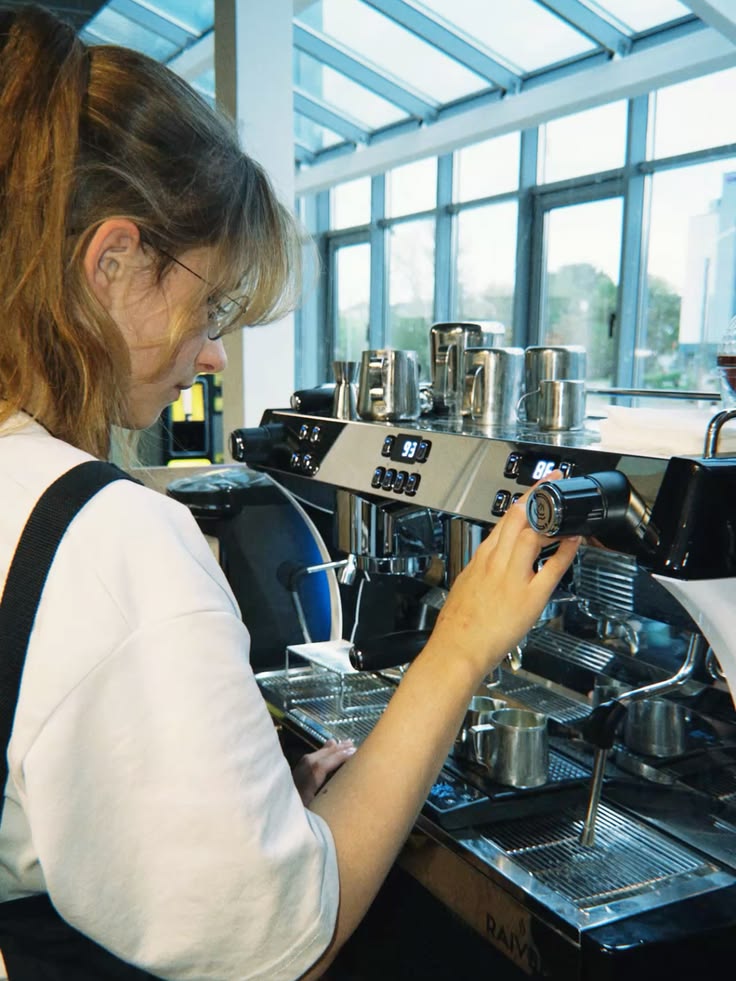
A barista at the quiet end of her shift pours the last coffee of the day slowly, watching the milk fold into the espresso. No one is watching her. The morning rush is over, and she simply can.
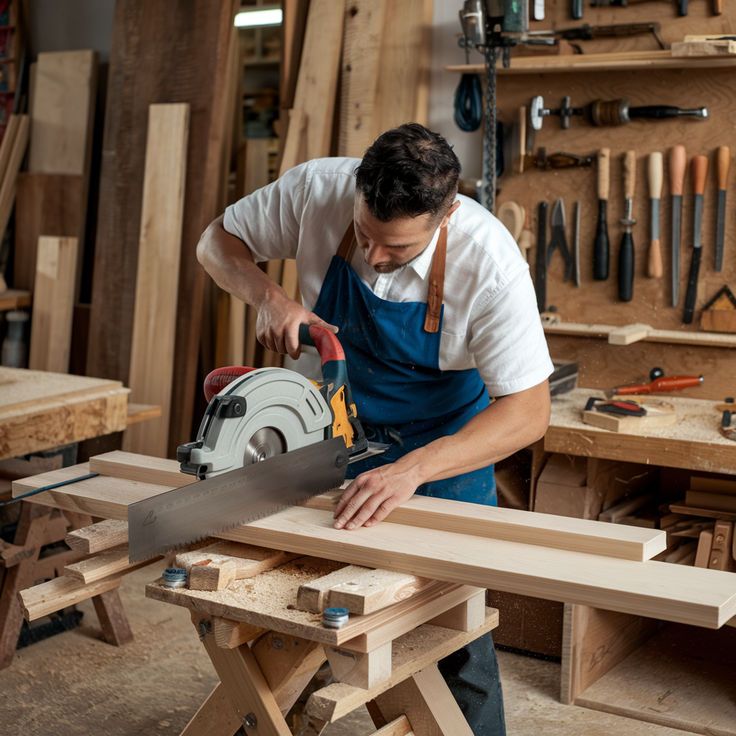
A carpenter sands a tabletop by hand, even though there is a machine in the corner of his workshop. Between passes, he runs his palm across the grain to feel what is left to do.
None of these tasks is special, and that is the point. Your one thing doesn’t need to mean anything. It only needs a little time to be done properly.
What slowness lets you notice
When you slow a small task down, it starts to open up. You notice the water is colder than you expected, and that the pot is heavier than you thought. Clean laundry still carries a trace of the outdoors. The kettle’s hum rises just before it clicks off. The rasp of sandpaper changes pitch as the wood grows smoother under your hand.
Nothing new has been added. You are simply there for what was already happening. For a few minutes, a chore becomes a whole moment, with a beginning, a middle and an end.
The rest of the day can stay fast
After that, you can return to the rush, and that is fine. Answer your emails quickly. Eat lunch at your desk if you have to. Run for the bus. One slow task is not a rejection of the rest of your day. It is a small anchor in the middle of it, a few minutes that belong only to what your hands are doing.
Back to the pot and the rice. The water runs a little clearer each time you pour it off, and the grains settle white and clean at the bottom. You could have done this in thirty seconds. Tonight it took two minutes, and you heard every one of them.
Today, choose one task and do it at half your usual speed. Just one. The rest of the day can hurry as much as it likes. This part is yours.