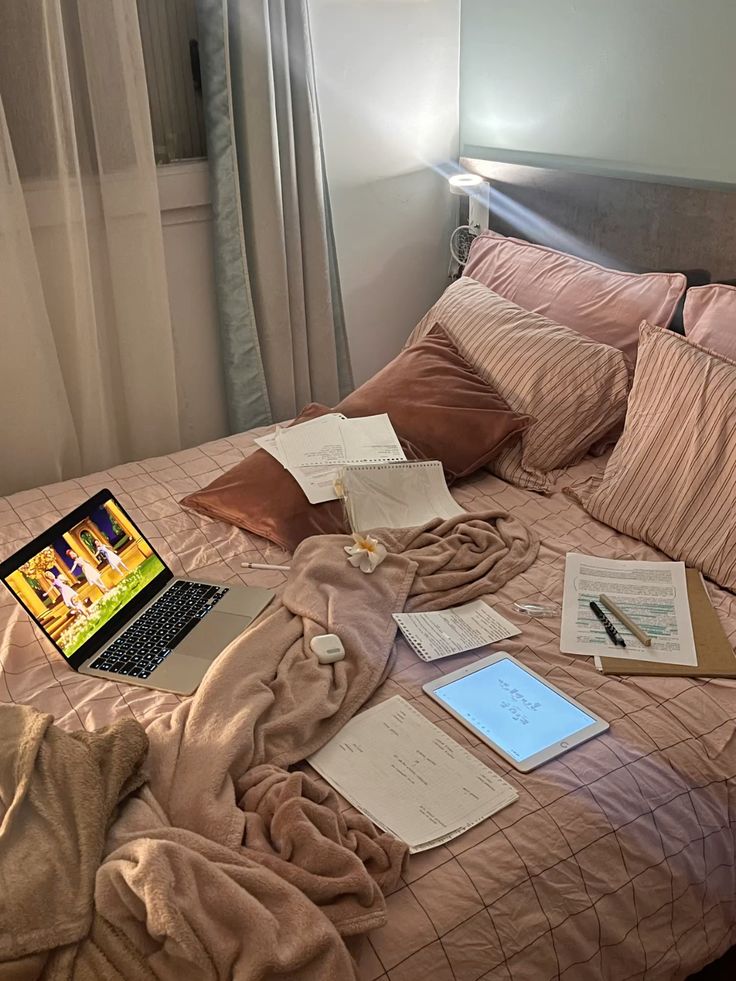
Your eyes aren’t fully open yet, but your hand already knows the way. It slides across the nightstand, finds the phone, and before you have had a single thought of your own, the day is pouring in. Three messages from work. A news alert. A group chat that kept going while you slept. An email marked urgent.
By the time your feet touch the floor, the day has already started. It just started on someone else’s schedule.
It is worth looking at what changes when the first few minutes belong to you instead, and at a few simple ways to begin.
Whose morning is it?
Phones are not the villain here. They wake us up, keep us in touch and tell us whether the bus is running late. But in the first minutes of the day, the phone also brings other people’s priorities with it: a colleague’s question, a headline, a friend’s holiday photos. Each one asks for a reaction before we have decided how we want to meet the day.
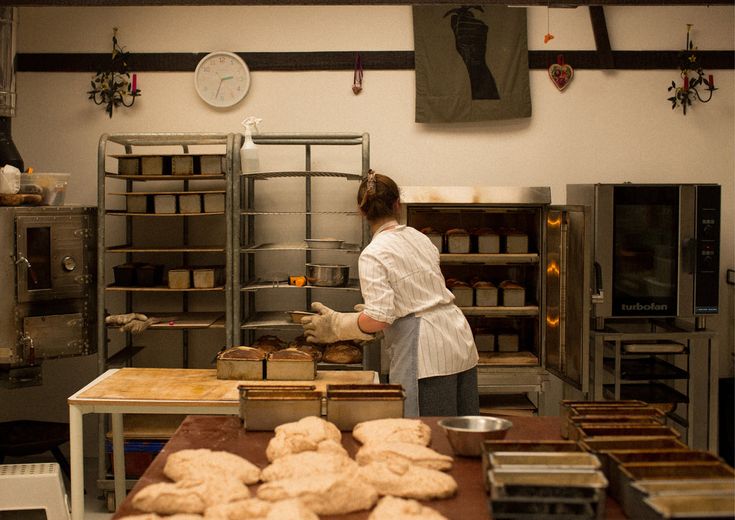
Some mornings work differently. A baker who unlocks his shop at four has the street to himself. The ovens are warming up and the first light hasn’t arrived yet. Nobody is messaging him at that hour. For a few minutes, the morning is quiet, and it is his.
Most of us are not bakers. Our mornings tend to arrive already full.
Why the first minutes matter
This is hard to measure, but most people know it from experience. A morning that opens with a stressful email often carries that tone into the commute. A morning that opens with something calmer, like light moving across the ceiling, tends to feel different, even if everything that follows is exactly the same.
That is not a scientific rule. It is an observation many people share. In the first minutes after waking, we are at our least guarded, half asleep and still finding our footing. Whatever arrives first tends to set the tone.
This isn’t about squeezing more productivity out of the day or guaranteeing a perfect mood. It is simply about who gets the first word: you, or the inbox.
Ten minutes, nothing fancy
There are no cold plunges here, no three pages of journaling at 5 a.m. and no twelve-step routine. Just ten ordinary minutes and three small ideas.
Before you reach for the phone
Leave your phone across the room, or in another room entirely. A simple alarm clock can take over its job. When you wake up, lie still for one more minute and just listen. Maybe there are birds, a scooter starting down the street or a kettle in the flat next door.
A student in a narrow dorm bed stretches her arms over her head before she checks anything at all. The phone can wait sixty seconds.
One thing with your hands
Make coffee. Water a plant. Open a window. Choose one simple, physical task that asks nothing of your mind. Notice the sound of the grinder, the cool water filling the pot, the fresh air coming in.
One look outside
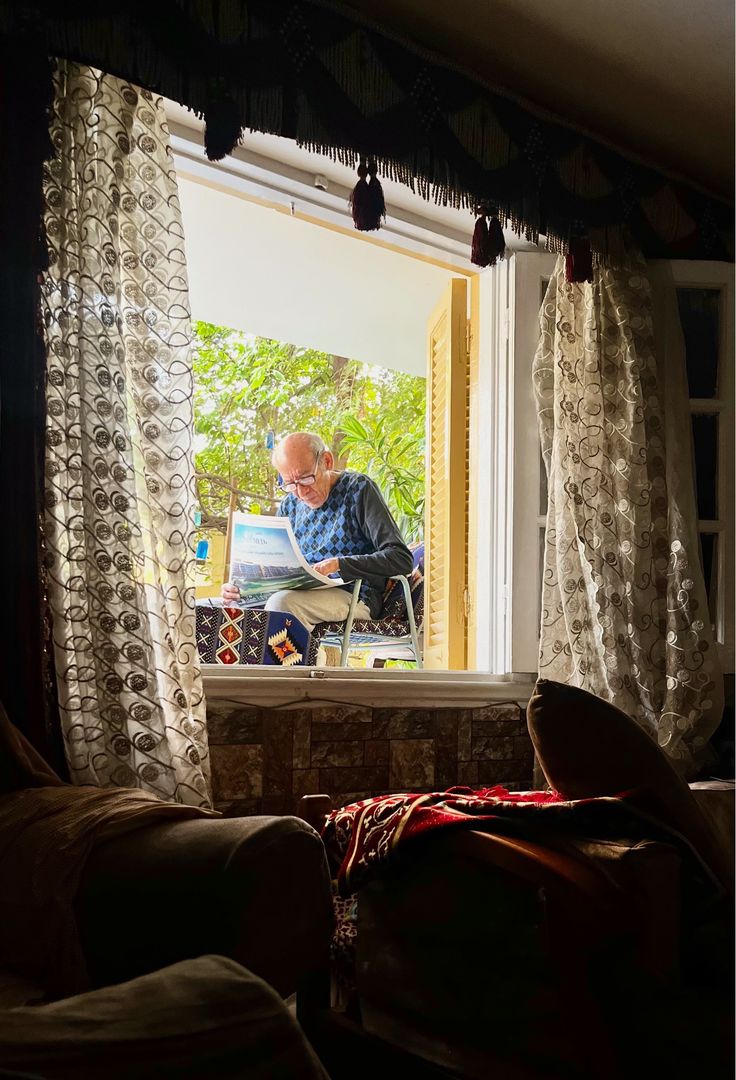
Before you open the weather app, look at the sky. Is it grey or clear? Is there wind moving through the trees? A grandfather stands at the window every morning with a cup in his hand and decides, just by looking, whether to take an umbrella. He isn’t always right. It doesn’t matter.
None of these needs the full ten minutes on its own. Use one, two or all three. Just resist the urge to add more.
When mornings aren’t yours to shape
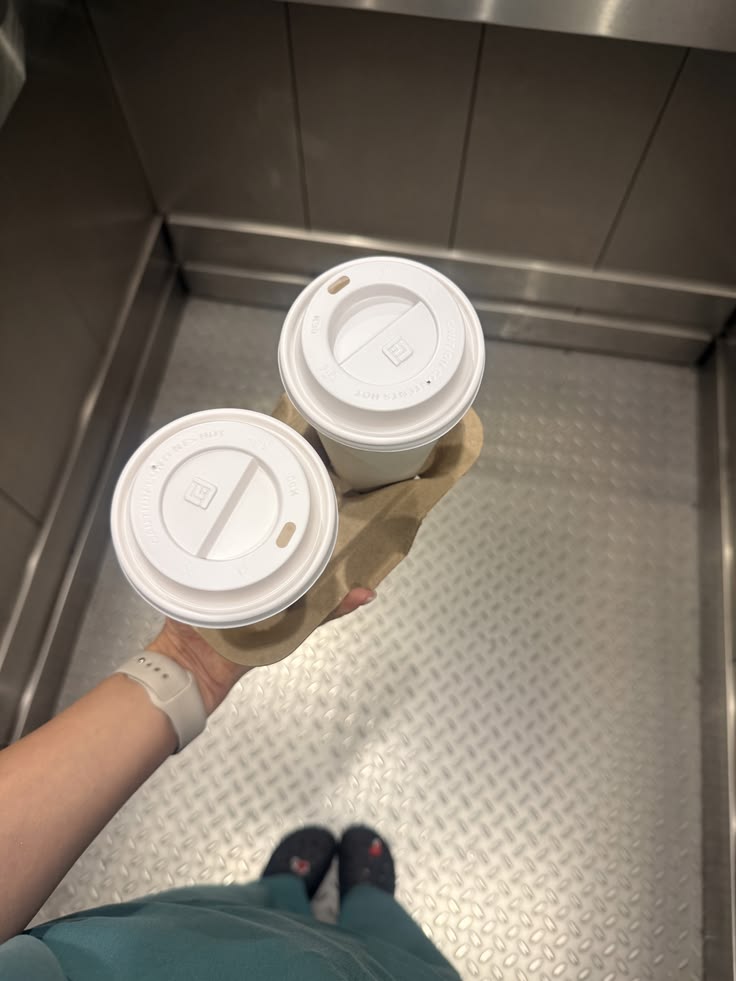
For many people, ten quiet minutes in the morning is a fantasy. Parents of small children wake up to someone who already needs them. A nurse starting an early shift drinks her coffee standing in the hospital car park before going in. Plenty of people get up and walk out the door almost in the same breath.
If that is your life, the first minutes might only be a single breath at the door before you step outside. That is enough. It still counts as yours.
Go back to that hand, sliding across the nightstand in the half-dark.
Tomorrow, try leaving the first ten minutes for yourself. Listen for a moment, open a window, look at the sky. The phone will still be there afterward, with the same messages waiting, just as they would have been. Nothing that truly mattered will be lost to a ten-minute wait.
And when the day does start, it might feel a little more like your own.