Nervous system regulation is your body's ability to respond to stress and then return to a calm, balanced state afterward. A regulated nervous system still reacts to challenges. It just doesn't stay stuck on high alert.
For many people, that "coming back down" part has become harder. Constant notifications, blurred work boundaries, and a steady stream of bad news keep the body in a low-grade state of alarm.
That's why the topic has moved from therapy rooms into the mainstream. The Global Wellness Summit named "The Rise of Neurowellness" one of its key trends for 2026, pointing to hundreds of thousands of TikTok videos under #nervoussystemhealing and Gallup data showing that around 40% of people across 144 countries report high anxiety on a given day.
Instead of chasing peak performance, people are asking a quieter question: How do I help my body feel safe again? Many of the answers are simple: slow breathing, time outdoors, rest, and calming sound.
What sound does to a stressed body
To understand why sound helps, it helps to know the two main modes of your autonomic nervous system.
Fight or flight
The sympathetic nervous system is your built-in alarm. When it senses a threat, it speeds up your heart, quickens your breathing, tightens your muscles, and sharpens your focus. This is useful when you need to react fast.
The problem is that your body can't always tell a real danger from a stressful email. When the alarm rings all day, you feel wired, tense, or exhausted.
Rest and digest
The parasympathetic nervous system is the counterbalance. It slows your heart rate, deepens your breath, and supports digestion, recovery, and sleep. The vagus nerve plays a major role here, which is why it comes up so often in wellness conversations.
Regulation isn't about shutting off the alarm forever. It's about making it easier to shift back into rest and digest when the danger has passed.
Where sound comes in
Your hearing is always on, even when you sleep. For most of human history, sound was one of our main ways of scanning for safety. Sudden, harsh noises put us on alert. Steady, gentle, predictable sounds signal that nothing urgent is happening.
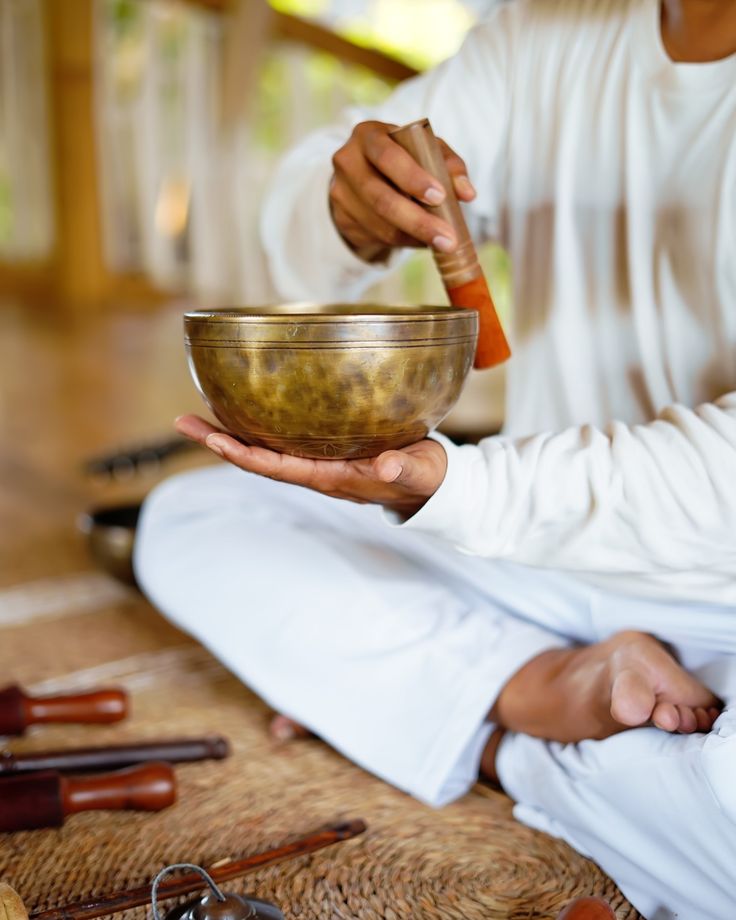
Meditation sounds like bells and singing bowls work with this system in a few ways:
They give your attention a place to rest. A resonant tone is easy to follow, which pulls focus away from racing thoughts.
They naturally slow your breathing. When you listen to a long, fading tone, you tend to breathe more slowly to match it. Longer exhales are closely linked with relaxation.
They mark a clear shift. The first strike of a bell tells your mind and body: this is a different moment now.
What the research says
Scientific interest in sound meditation is growing, and one frequently cited study comes from the University of California, San Diego.
In the study, published in 2016 in the Journal of Evidence-Based Complementary & Alternative Medicine, researchers led by Tamara Goldsby followed 62 adults through a Tibetan singing bowl meditation. Compared with how they felt beforehand, participants reported significantly less tension, anger, fatigue, and depressed mood afterward. Interestingly, people who had never tried this type of meditation saw an even bigger drop in tension than experienced participants.
The researchers concluded that singing bowl meditation may be a feasible, low-cost, low-tech way to reduce feelings of tension and anxiety.
It's worth being honest about the limits. This was an observational study without a control group, and the authors themselves called for randomized controlled trials to confirm the effects. So sound meditation isn't a proven medical treatment. But the early findings line up with what many people feel: a few minutes with calming sound can take the edge off stress, especially for beginners.
Meditation bell
A bell produces a bright, clear strike followed by a slowly fading resonance. In many meditation traditions, it's used as a signal: time to begin, time to return your attention, time to close. Because each strike is short and distinct, a bell is ideal for structuring a practice and pulling a wandering mind back to the present.
Tibetan singing bowl
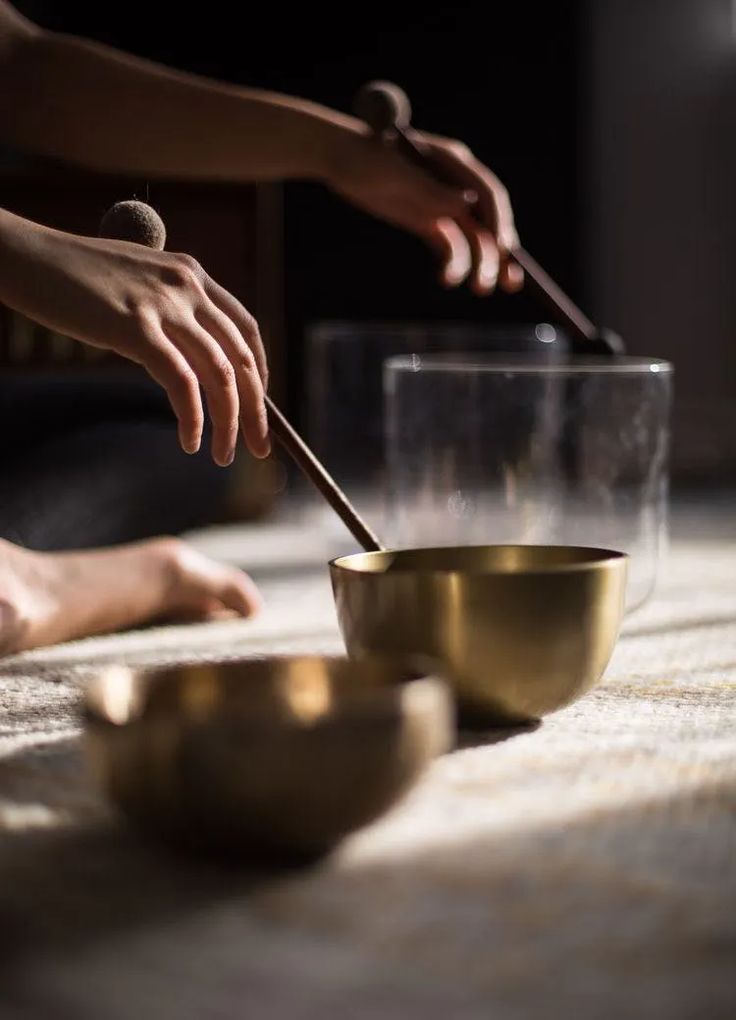
A Tibetan meditation bowl can be struck like a bell or "sung" by running a mallet around its rim to create a continuous hum. Its sound contains multiple overtones layered together, which many people find especially absorbing. Singing bowl sounds for meditation are great for longer, slower practices where you want to sink into the sound.
Sound bath
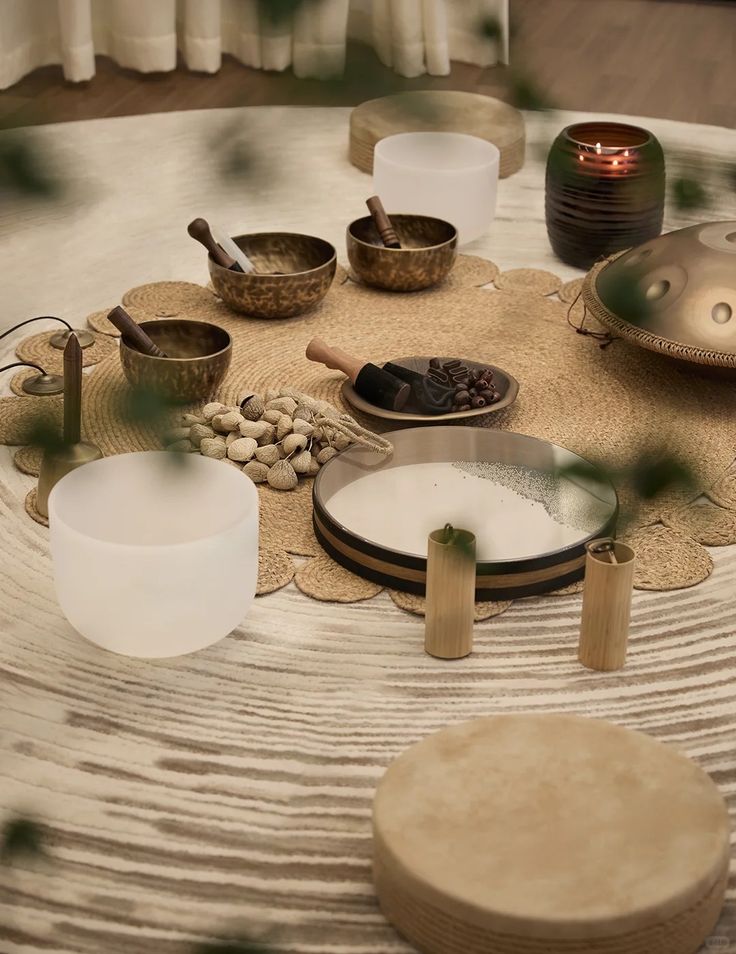
A sound bath isn't one instrument. It's an experience. A practitioner plays bowls, gongs, chimes, and other instruments while you lie down and let the sound "wash" over you. Sound baths are deeply relaxing, but they usually require booking a class, traveling to a studio, and setting aside an hour or more.
The good news: you can capture a lot of that experience with a much simpler sound bath at home.