
Your sleep app scores last night at 72. Your watch reminds you that you're still 4,000 steps short of ten thousand. Somewhere between drinking two liters of water, writing in your gratitude journal, and working up the courage for a cold plunge, a strange feeling creeps in. You're doing everything you're supposed to do to feel well, and yet you feel more tired than ever.
If that sounds familiar, you may be experiencing wellness burnout. And you're far from alone. In lululemon's 2024 Global Wellbeing Report, which surveyed 16,000 adults across 15 markets, 45% of people said they were experiencing "wellbeing burnout," a sense of exhaustion that comes from the constant effort to be physically, mentally, and socially well.
What is wellness burnout?
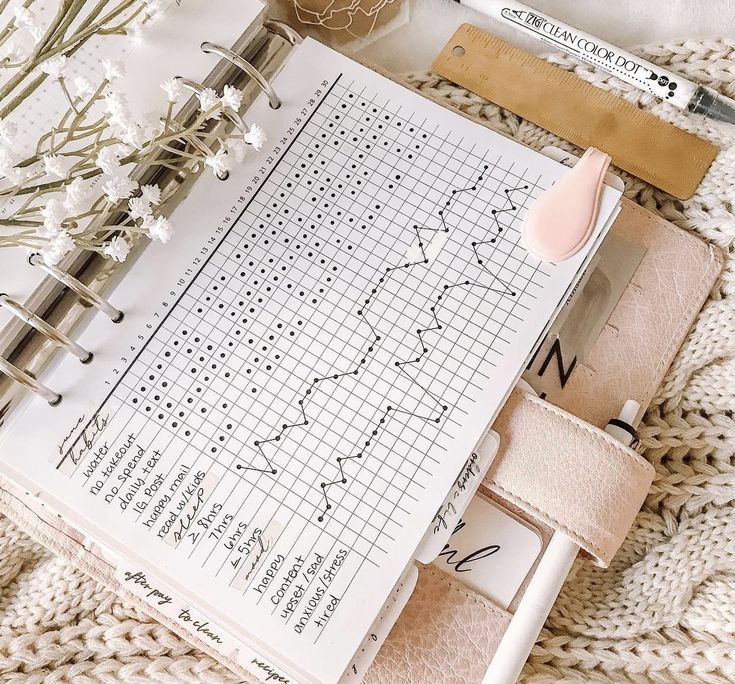
Wellness burnout is the fatigue that sets in when taking care of yourself starts to feel like a job. It happens when healthy habits stop being sources of comfort and become obligations, each one another box to tick and another standard you might fail to meet.
The same lululemon report captured the pressure behind this feeling. About 61% of respondents said they felt pressure from society and the people around them to support their wellbeing in specific ways. Even more telling, 89% said they were taking more action to improve their wellbeing than a year earlier, yet overall wellbeing scores had barely moved. People were trying harder but not feeling better.
It helps to understand how this differs from the more familiar burnout at work. Work burnout usually comes from demands placed on you by a job, such as deadlines, long hours, and responsibilities you can't easily step away from. Wellness burnout is quieter and, in some ways, more confusing, because the pressure comes from activities meant to help you. Because these habits are supposed to be good for you, many people push through the exhaustion and blame themselves for not trying harder.
That's one reason why, in 2026, more and more people are questioning the idea of constantly optimizing their health. Terms like "soft wellness" and "slow living" reflect a growing desire for something gentler: habits that fit into real life, feel good in the moment, and don't require a spreadsheet to maintain.
6 signs your self care has become a chore
Wellness burnout tends to build slowly, so it's worth pausing to notice the signs.
You feel guilty when you skip a day. Missing one workout or forgetting to meditate shouldn't ruin your mood, but when self care has turned into an obligation, a single skipped day can feel like failure.
You trust the data more than your body. Perhaps you wake up feeling rested, but your sleep tracker tells you otherwise, and suddenly you feel tired. When numbers begin to override your own sense of how you feel, the tools meant to support you have started to take over.
Your routine only ever grows. Every new article, podcast, or video seems to add another habit to your list, whether it's a new supplement, a longer skincare routine, or a breathing technique. Yet nothing ever gets removed.
You compare your routine to others online. Social media is full of perfectly lit morning routines and flawless wellness rituals. When you find yourself measuring your own habits against someone else's highlight reel, self care becomes a competition you can never win.
You practice self care but never feel relaxed. You take the bath, light the candle, and do the stretches, but your mind is still racing through your to-do list. If the activities that are supposed to calm you leave you feeling just as tense, something has shifted.
You feel tired just thinking about your routine. Perhaps the clearest sign of all is a sense of dread. When the idea of your evening routine makes you sigh before you've even started, it's time to take a closer look at what you're asking of yourself.
How to make self care feel light again
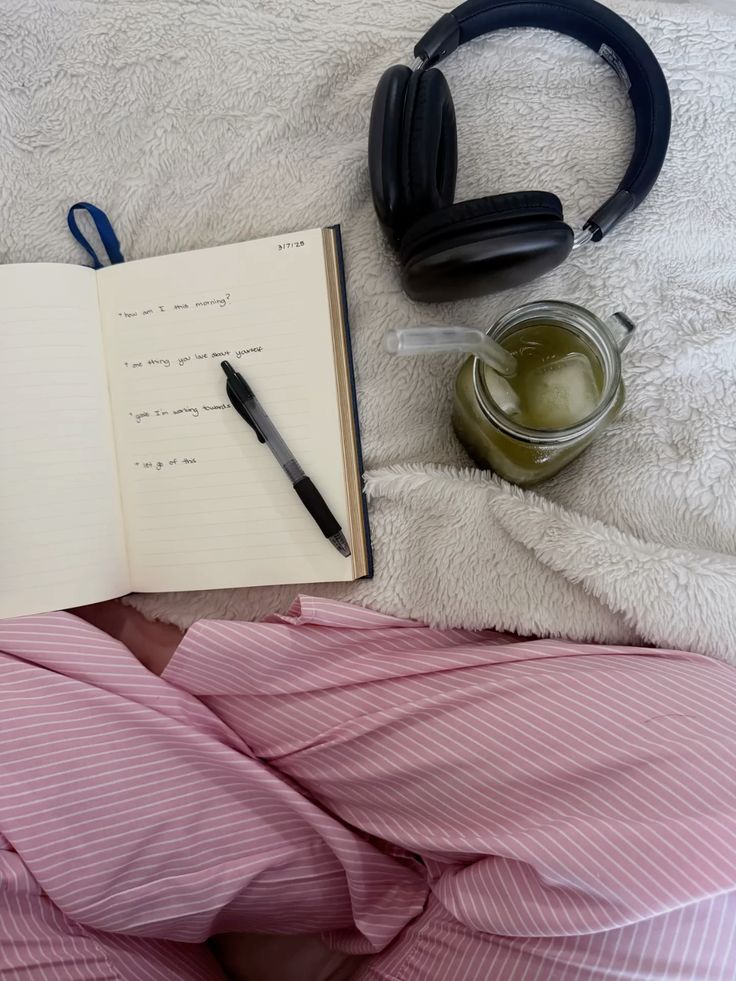
Recognizing wellness burnout is the first step. The next is gently changing your relationship with self care so that it supports you rather than drains you. These four shifts can help.
Subtract before you add
When we feel off, our instinct is often to add something new, whether that's another habit, another product, or another app. But when you're burned out, what you usually need is less, not more.
Take a moment to list everything currently in your self care routine. Then ask yourself which two or three habits genuinely make you feel better. These are your core practices. Everything else can be paused, simplified, or let go entirely. You aren't giving up on your wellbeing. You're making room for what truly helps.
Swap metrics for feelings
Tracking can be useful, but it can also turn every part of your day into a performance review. Instead of asking "How many?" or "How much?", try asking a simpler question: How do I feel?
After a walk, notice whether your mind feels clearer rather than checking your step count. After a night's sleep, pay attention to your energy before looking at a score. Letting your own experience lead helps you reconnect with what your body is actually telling you.
Choose tiny over perfect
It's tempting to believe that self care only counts if it's done fully and properly, such as a full hour at the gym or a twenty-minute meditation. In reality, small and consistent habits tend to last far longer than ambitious ones that are hard to keep up.
Two minutes of stretching every day is more valuable than an hour-long workout you abandon after a week. When you allow your habits to be tiny, they become easier to return to, especially on busy or difficult days.
Allow rest days without guilt
Rest is not the opposite of self care. It is self care. Your body and mind need time to recover, and doing nothing is sometimes the most supportive choice you can make.
Try giving yourself permission to have days with no routine at all. On those days, you don't need to track, optimize, or improve anything. You simply get to rest. These pauses often leave you with more energy, not less.
Let Zen Bell help you find calm.
A 3-Minute "minimum self care" practice
On days when even your simplest routine feels like too much, try this minimal practice. It takes about three minutes and requires nothing but a quiet moment.
Start by stopping whatever you're doing. Sit or stand comfortably, let your shoulders drop, and rest your hands wherever they feel natural. Then take a few slow breaths, allowing each exhale to be slightly longer than the inhale. There's no need to count precisely or do it perfectly. Simply let your breathing slow down a little.
Once you feel a bit more settled, ask yourself one honest question: What do I need right now? The answer might be a glass of water, a short walk, a snack, a conversation with a friend, or simply permission to rest. Whatever comes up, try to offer yourself that one thing, without adding anything else to the list.
That's all. No tracking, no streaks, and no expectations. The goal isn't to complete a routine but to check in with yourself and respond with kindness. Some days, that small moment of attention will be enough. Enough really is enough.
When it's more than wellness burnout
Wellness burnout is common, and for many people, simplifying their routines and allowing more rest can make a real difference. However, it's important to recognize when exhaustion may be a sign of something more.
If you've been feeling persistently tired, having trouble sleeping, losing interest in things you used to enjoy, or feeling low for more than a couple of weeks, it may be time to reach out for support. These experiences can have many causes, and only a qualified professional can help you understand what's going on.
Consider speaking with your doctor, a licensed therapist, or another mental health professional. Reaching out isn't a sign that you've failed at taking care of yourself. It's one of the most caring things you can do. And if you ever feel overwhelmed or unsafe, please contact a local crisis line or emergency service right away.
Taking care of yourself was never meant to be a test. It's allowed to be simple, imperfect, and gentle.