
Search for "inner peace" online and you'll find the same images again and again: a figure meditating on a mountaintop, a quiet beach at sunrise, a retreat center surrounded by forest. They're beautiful pictures, but they suggest that peace is something you have to travel far away to find.
For most of us, that isn't realistic. We need calm right here, in the middle of deadlines, family responsibilities, unpaid bills, and a phone that never stops buzzing. The good news is that inner peace doesn't require a new life. It grows from small, repeated habits that fit into the one you already have. Here are seven of them.
What inner peace is (and what it isn't)
Inner peace is often misunderstood, so it helps to start with what it isn't.
It isn't feeling happy all the time. You will still feel frustrated, sad, anxious, and tired, because those emotions are part of being human. It also isn't avoiding problems or pretending everything is fine when it isn't.
Instead, inner peace is a sense of steadiness inside yourself that stays with you even when life outside doesn't go as planned. You can still feel the full range of emotions, but they don't knock you completely off balance.
Think of a lake on a windy day. The surface may be full of ripples and small waves, yet deep below, the water remains still. Inner peace is that deeper layer. The surface of your life will always move. What changes is your ability to stay connected to the calm underneath.
Why it feels so hard to find today
Part of the challenge is the pace of modern life. Information reaches us constantly, and social media invites us to compare our ordinary days with other people's highlights. Our schedules are often so full that there's no empty space left to simply be.
Even the pursuit of wellbeing can add pressure. Many of us feel we should be optimizing everything, from sleep to productivity to self care, which can turn the search for calm into one more task. If that sounds familiar, you might find Wellness Burnout Is Real helpful.
The practices below are deliberately simple. None of them needs to be done perfectly.
7 everyday practices for inner peace
1. Start the day before the screen
How you begin your morning often shapes the rest of the day. If the first thing you do is check messages, news, and notifications, your mind is immediately pulled into other people's demands.
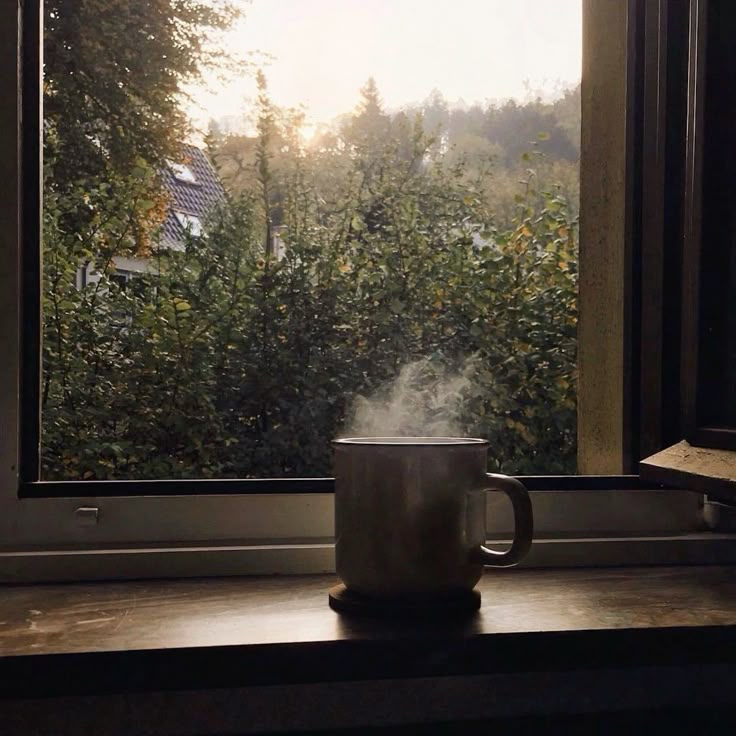
Try giving yourself the first ten minutes of the day before you open your phone. Make a cup of tea, stretch, look out the window, or simply sit quietly. This small window lets you start the day on your own terms, with a moment of calm that belongs only to you.
2. Accept what you can't control
A great deal of our stress comes from trying to control things that are simply outside our reach, like other people's opinions, the traffic, or how a situation will turn out.
The Stoic philosopher Epictetus, writing nearly two thousand years ago, began his famous handbook by making this distinction. Some things are within our power, such as our choices and the way we respond. Others, such as our reputation or what other people do, are not.
When something is troubling you, try sorting it into two groups: what you can influence and what you can't. Put your energy into the first group, and practice gently letting go of the second. This doesn't mean you stop caring. It means you stop exhausting yourself fighting battles you can't win.
3. Let your mind rest without input
We rarely give our minds a true break. Even our rest is often filled with podcasts, videos, music, or scrolling. While these can be enjoyable, they still keep your brain busy processing information.
Once or twice a day, spend a few minutes with no input at all. Don't listen, read, or watch anything. Sit by a window, stand outside, or simply close your eyes. At first it may feel unusual, even a little uncomfortable, but many people find these quiet moments surprisingly refreshing. We explore this idea further in Why Silence Feels So Rare.
4. Write it down
Sometimes your mind feels crowded because the same thoughts keep circling, often a worry, a task you don't want to forget, or a conversation you keep replaying.
Writing these thoughts on paper can help you step back from them. Keep a notebook nearby and, whenever your mind feels busy, write down what's on it. You don't need to write well or organize your ideas. The act of putting thoughts outside your head often makes them feel smaller and easier to manage. Psychologist James Pennebaker's research on expressive writing is one reason this simple habit has gained attention, although the effects vary from person to person.

5. Move your body gently
Inner peace isn't only a mental experience. Your body plays a part too.
You don't need an intense workout to feel calmer. Gentle movement, like a slow walk, a few stretches, or simply standing up and rolling your shoulders, can help release physical tension that builds up during the day. An evening walk without headphones can be especially grounding, giving both your body and your mind time to unwind.
6. Practice letting go of small things
It's easy to get caught up in minor frustrations, like a rude driver, a spilled coffee, or a comment that didn't sound quite right.
When you notice irritation building, ask yourself a simple question: Will this still matter a week from now? Most of the time, the honest answer is no. That question can help you put small annoyances in perspective and save your energy for the things that truly deserve it.
7. End the day with gratitude
Before you fall asleep, think of one good thing that happened during the day. It doesn't need to be anything significant. A kind message from a friend, a good meal, or a moment of sunshine all count.
Our minds naturally pay more attention to problems than to pleasant moments, so this small practice helps restore some balance. Research on gratitude, including studies by psychologist Robert Emmons, suggests that regularly noticing what we're thankful for may be linked to a more positive outlook, though it isn't a cure-all. Many people simply find it a gentle way to end the day.
Inner peace is a practice, not a destination
It's tempting to think of inner peace as something you reach once and keep forever. In reality, it's more like a skill that you return to again and again.
There will be days when these practices come easily and days when you lose your temper, feel overwhelmed, or forget them completely. That's normal. Losing your calm doesn't mean you've failed. What matters is noticing it and finding your way back a little faster each time.
You also don't need to do all seven. Choose one or two that feel most natural for your life right now. A small habit you keep is far more valuable than a long list you abandon.

When you need more than self-help
Everyday practices can make a real difference, but they aren't a substitute for professional support. If anxiety, sadness, or restlessness has lasted for several weeks and is affecting your sleep, work, or relationships, please consider speaking with a mental health professional. Reaching out for help is not a sign of weakness. It's another way of caring for yourself.
Peace begins in small moments
Inner peace isn't hidden on a distant mountain. It's found in the way you live your ordinary moments: the first minutes of your morning, a slow walk at dusk, a deep breath before responding to someone.
Today, as the world marks the International Day of Peace, it's worth remembering that peace in the world begins with peace within each of us. When we feel steadier inside, we bring more patience to our homes, workplaces, and conversations, something we explored in How to Stay Calm in an Argument.
Tomorrow morning, try the first practice. Give yourself ten quiet minutes before you pick up your phone, and notice how it shapes the rest of your day.