
Late September has a particular feeling to it. Your calendar starts filling up again, work picks up pace, and your feed fills with posts about the final sprint, crushing the last hundred days, and making this quarter count.
Underneath the motivation, there's often something heavier. You remember the goals you set back in January, and most of them are still sitting there unfinished. The pressure to catch up arrives with the guilt of having fallen behind.
There's another way to look at these last months. Finishing the year well doesn't have to mean doing more. It usually means choosing better.
Why the year-end sprint usually backfires
The sprint metaphor sounds energizing, but it tends to leave people exhausted at exactly the moment they most need rest.
Part of the problem is timing. The end of the year is already demanding. There are holidays to plan, family gatherings, end-of-quarter deadlines, and the general busyness of a season that asks a lot of everyone. Adding an ambitious personal push on top of that is a lot to carry.
The other problem is scope. When the list has eight items on it, attention splits across all of them. Progress happens in small pieces everywhere and nothing gets completed, which is more discouraging than not starting at all.
None of this means goals are bad. If planning energizes you, keep planning. It's the volume that causes trouble, not the ambition.
Start with an honest look back
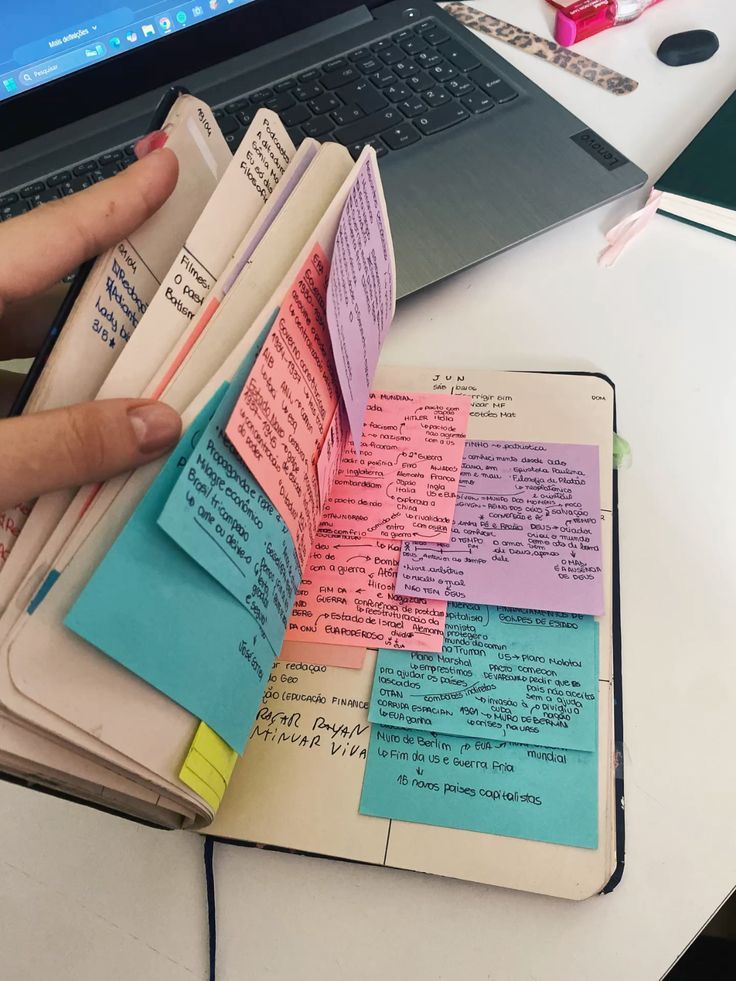
Before deciding what comes next, spend a few minutes looking at what actually happened this year. Three questions are enough.
What genuinely moved forward? Include the things that weren't on your original list. A lot of the year's real progress tends to be unplanned.
What got left behind? Write it down without judging it.
And why? This is the question that matters most, because there are two very different answers. Some goals stalled because there wasn't enough time, energy, or support. Others stalled because they stopped being important to you somewhere around March.
Those two categories deserve different treatment. The first might be worth picking up again. The second can simply be crossed out. Letting go of a goal that no longer fits isn't failure. It's an update.
Choose one thing for the last 100 days
Now pick one goal for the rest of the year. Just one.
A single focus works better than five because it survives contact with a busy week. When something urgent appears, one clear priority is still standing, while five are usually abandoned together.
To choose, ask yourself which item would bring the most relief if it were done. Not the most impressive one, and not the one you think you should want, but the one that would let you look back at this year and feel lighter.
Then make it small enough to actually finish in a hundred days, and specific enough to know when it's complete. "Get fit" doesn't qualify. "Walk three times a week until the end of the year" does. So does "finish the first draft," "clear the paperwork I keep avoiding," or "have the conversation I've been putting off."
Everything else goes on a list titled something like "next year." You're not deleting these goals, just setting them down for now.
Protect your energy, not just your time
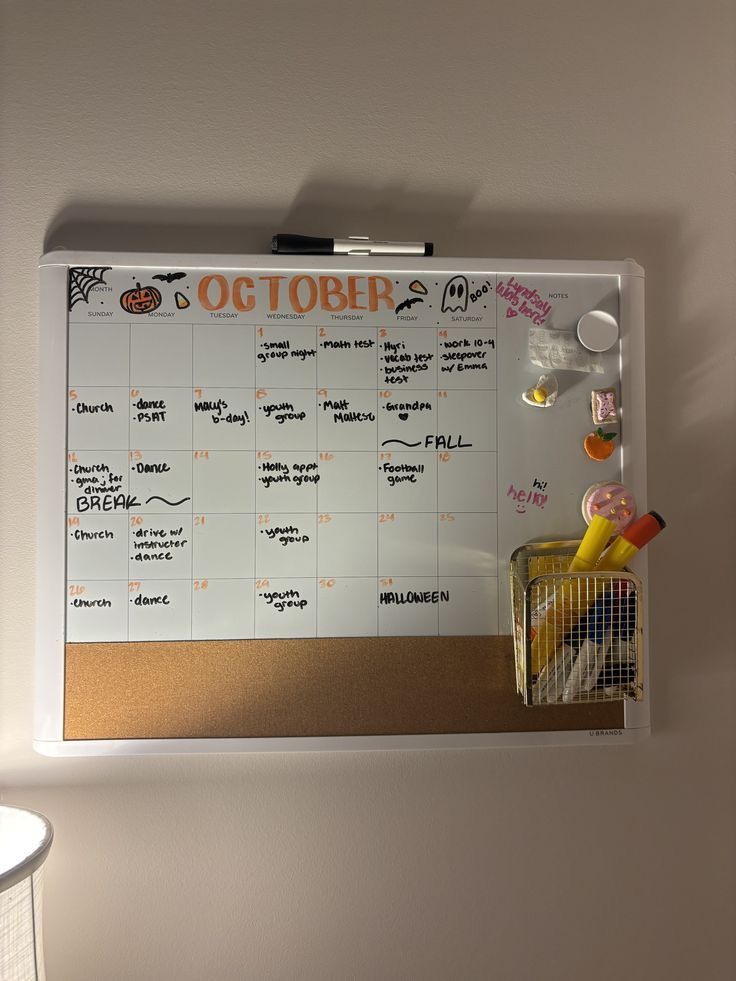
Most year-end advice focuses on time management, but time isn't usually the missing ingredient. Energy is. An empty hour is worthless if you're too drained to use it.
So before optimizing your calendar, protect the basics: sleep, movement, food, and time with people you like. These are the things that quietly get sacrificed first during a busy season, and they're the ones that make everything else possible. If your sleep has already drifted with the shorter days, a gentle reset is worth more than another productivity system.
Then look for the biggest drain. There's usually one commitment, habit, or recurring meeting that costs far more than it gives. Cutting a single one frees up more than adding three new routines.
Finally, leave some empty space in your schedule. The last months of the year reliably produce surprises, from sick days to last-minute work to events you didn't plan for. A calendar with room in it can absorb those. A full one breaks.
A simple 100-day rhythm
You don't need a detailed system. A light structure at three levels is plenty.
Weekly: Take one small step toward your chosen goal. One step a week is fourteen steps by the end of the year, which is far more than most half-finished plans deliver.
Monthly: Spend ten minutes at the end of each month reviewing how it's going. Adjust the goal if your circumstances have changed. Adjusting isn't quitting.
Daily: Decide on the smallest version of the action you could still do on your busiest day. Five minutes of writing, one phone call, a ten-minute walk. On hard days, the small version keeps the thread intact.
You will miss days. Everyone does. What matters is how quickly you return, not whether the streak stays perfect. If the whole idea of self-improvement is already wearing you out, wellness burnout is worth understanding before you add anything new.
What "Finishing strong" can also mean
Finishing strong doesn't have to mean achieving more.
It might mean finally ending something that has dragged on too long: a project that stopped making sense, a subscription, a commitment you keep renewing out of habit. It might mean repairing or closing a work relationship that has been quietly costing you.
It can also mean arriving in January rested. If this year has been demanding, choosing rest as your one goal is not a consolation prize. Entering a new year with energy is a real achievement, and often a more useful one than another item ticked off a list.
One thing, one hundred days
The last hundred days aren't a chance to make up for everything the year didn't deliver. They're just the days you have left, and they're enough for one thing done properly.
Take ten minutes today. Write down the single thing you'd like to complete before the new year, and then let the rest wait.