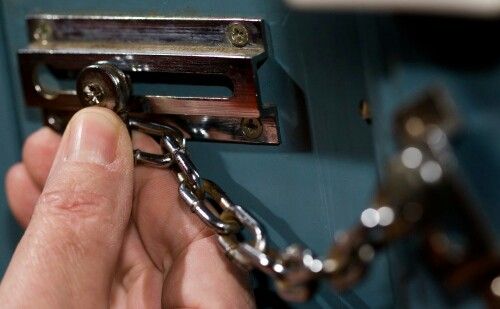
You are halfway to the bus stop when the question arrives: Did I lock the door? You try to picture it, your hand on the key and the click of the lock. Nothing comes. Not a blurry memory, not even a good guess. Just a blank.
You probably did lock it. You almost always do. That is the strange part. It isn’t really forgetfulness. It is that, in that moment, you weren’t quite there.
Most of us know this feeling well. It is worth looking at why so much of our day runs without us, and at a few small ways to come back to what we are actually doing.
How much of your day runs itself
Think back to this morning. Brushing your teeth, making coffee, the route to work. Chances are you didn’t decide any of it step by step. It simply happened.
Researchers have tried to measure how much of daily life works this way. In two diary studies published in 2002, psychologist Wendy Wood and her colleagues found that 35 and 43 percent of recorded behaviors met their definition of a habit: something done almost every day, usually in the same place. The 43 percent figure is the one most often quoted. The studies have clear limits, since the participants were American university students observed for one or two days. Still, the picture is striking. A large share of ordinary life repeats in the same places, in the same way, without much fresh thought.

A separate study looked at where our minds go. In 2010, Harvard psychologists Matthew Killingsworth and Daniel Gilbert sampled thousands of people through a phone app and found that, on average, their minds were wandering 46.9 percent of the time. Mind-wandering showed up in at least 30 percent of the samples for almost every activity they measured.
Picture a commuter on the bus, forehead near the window. The stops slide past one by one. He notices none of them, and suddenly he is at his stop with no memory of the last ten minutes.
Autopilot isn’t the enemy
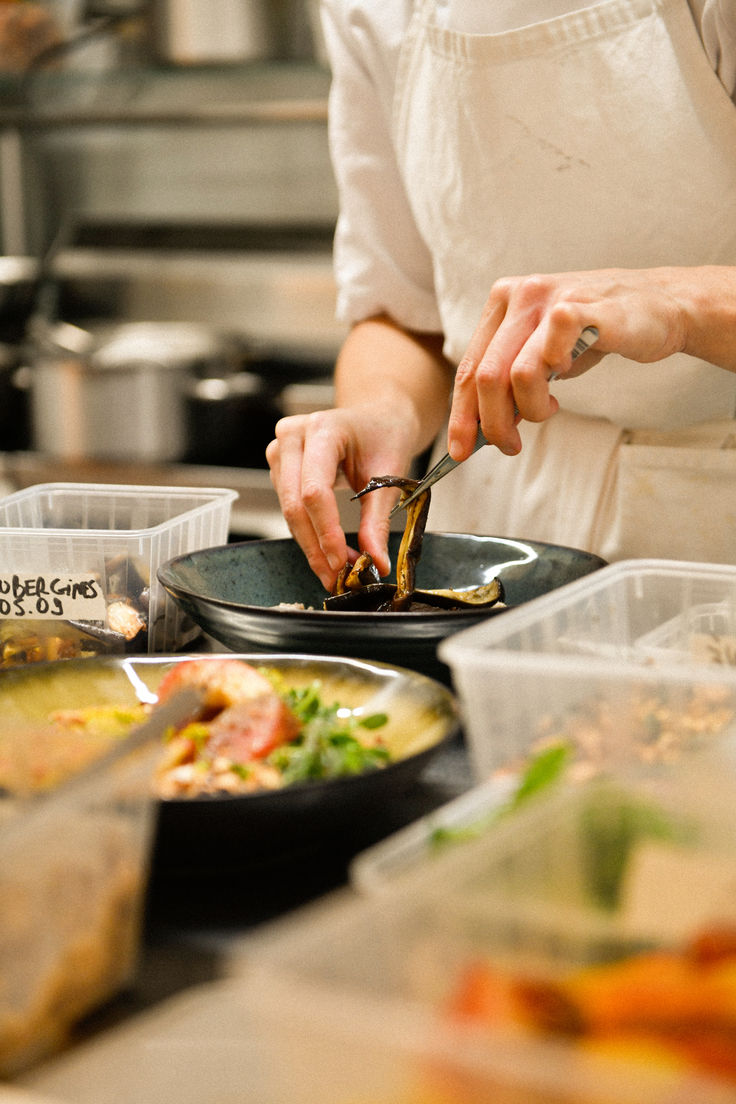
Habits are a gift. If we had to think through every step of brushing our teeth or tying our shoes, we would never get anything else done. A chef dicing a mountain of onions during prep works fast and safely because her hands already know the job. That frees her attention for the sauce, the timing and the conversation by the pass.
The problem is not that some of life runs automatically. It is when the whole day does, and nobody is left at the controls.
What gets missed
Some of what slips past is small. There’s the taste of breakfast, eaten standing over the sink. There’s the face of the vendor who sells you bread every morning. You could not say what color her eyes are, or whether she has a new haircut. There’s the route to work on a beautiful morning, with light on the wet pavement and a tree that has started to turn, all of it passing by unseen.
Some of what slips past is bigger. Many people notice that whole days leave almost no trace. Ask yourself what you did last Tuesday, and often nothing comes back. It is not because nothing happened. It is because no one was really paying attention while it did. Weeks start to blur together, and time seems to move faster than it should.
Small ways to switch to manual
None of these take extra time. They borrow a little attention, not minutes.
Change one small thing
Take a different street to the shop. Hold your cup in your other hand. Sit in a different chair at dinner. A small change makes the familiar slightly unfamiliar, and that is often enough to make you notice it again.
Name what you’re doing
Quietly say it to yourself: I’m locking the door. I’m turning off the stove. It can feel a little silly at first. But for a second, you are there for the action instead of somewhere else entirely.
Notice one detail
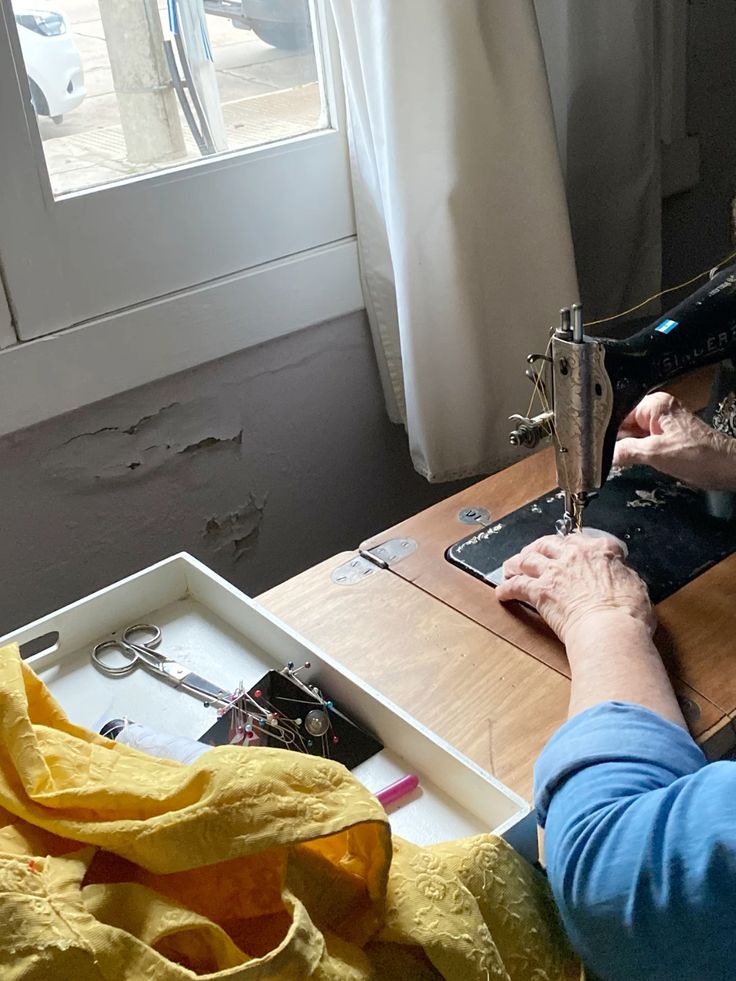
Pick one sound, one color or one smell inside something you do every day. Picture a grandmother folding laundry on a quiet afternoon. She notices the warmth of the towels just off the line, the faint smell of soap and the soft snap as she shakes out a sheet. It is one detail, and it is enough.
The point is not to switch off autopilot for good. That would be exhausting, and it isn’t necessary. It is simply to take the controls now and then, and feel what it is like to be at the wheel.
Back to the door. Tomorrow morning, when your key is in the lock, turn it slowly and listen. There is a small metallic click and the soft slide of the bolt settling into place. It is a sound you have made thousands of times and barely heard.
Halfway down the road, the old question may come again. This time, something might be there to meet it: a small click, and you, hearing it.