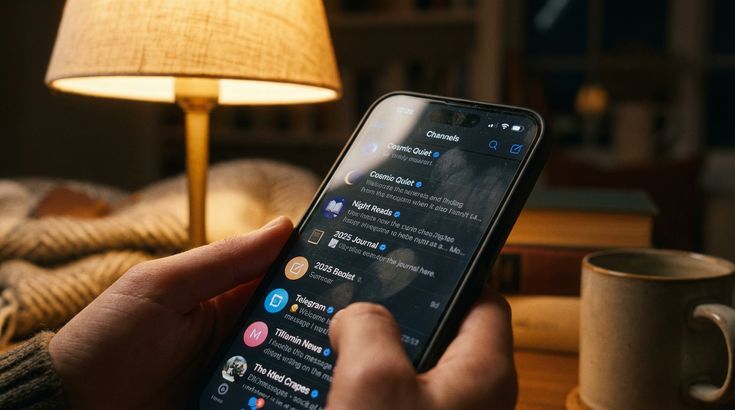
Someone opens a meditation app at the exact moment they feel most worn down. The screen asks them to choose: a session, a voice to guide them, a length of time. Ten minutes or twenty. Sleep or focus. A teacher with a calm, familiar voice or a new one they haven't tried. It's not a lot to ask, most days. Under ordinary circumstances, none of these choices would take more than a few seconds. But right now, even choosing feels like one task too many, and the app gets closed before anything begins, the screen going dark on a library that was supposed to help.
There's something a little backwards about that moment. If a practice is supposed to help someone who's running on empty, why does getting started require them to be functioning well enough to make several decisions in a row, back to back, before anything calming even happens?

The resistance usually isn't laziness
It's easy to read that closed app as a failure of discipline, one more good intention that didn't survive contact with a hard day. But that reading misses something simpler and a lot more common. Most resistance to sitting down for a practice doesn't come from not wanting to. It comes from not having enough left, in that moment, to actively begin anything at all, let alone something that asks for a choice first.
This distinguishes a lack of energy from a lack of motivation, and the difference matters more than it sounds like it should. Motivation is something a person can talk themselves into, at least sometimes, with enough will or enough reminders. Depleted energy doesn't respond the same way, no matter how much someone wants it to. Telling someone who's running on empty to just open the app and pick a session isn't really different from telling them to try harder. It's the same ask, wearing a calmer voice and a softer color palette.
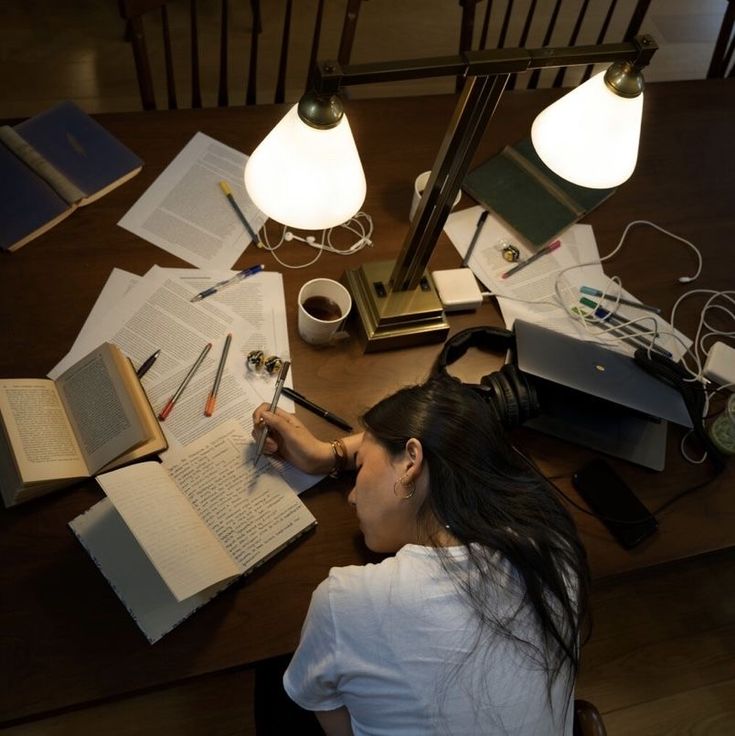
Picture the end of a long shift, or the last hour of a day that started before sunrise and hasn't let up since. In that state, even small, ordinary decisions start to feel heavier than they should: what to eat, what to reply to, which of six half-finished tasks to pick back up. Adding "which guided session sounds right for you right now" to that pile isn't a small ask. It's one more decision layered onto a mind that's already run out of decisions to make well.
Why most tools weren't built for this exact moment
Look at how most mindfulness apps are actually designed, and a pattern shows up. They assume a person who opens them has at least a little bit of steadiness to spare: enough to browse a library, enough to sit through spoken instructions, enough to stay present for five or ten minutes without their attention sliding away entirely. That's a reasonable design choice, and it works well for a specific kind of tired, the kind where someone is worn out but still functioning, still capable of choosing and following along.
It's a much harder fit for the moment someone is running on close to nothing. The person who most needs a pause is often the person least equipped to go looking for one, browse a menu, weigh a few options, and commit to sitting through them. Most tools are quietly built for the version of a hard day that still has some steadiness left in it, some reserve of attention to spend on choosing well. They aren't really built for the version that doesn't have any of that left over.
A signal that arrives instead of one you have to find
There's a different shape a tool can take: instead of waiting to be opened, chosen, and started, it simply arrives on its own, at a time decided long before the hard day began. A sound that rings on a schedule set once, well in advance, doesn't ask anything of the person in the moment it happens. There's no menu to browse, no session length to weigh, no decision standing between noticing it and it being over a few seconds later.
That distinction matters most exactly when energy is lowest. A tool that requires effort to begin is well suited to a person who has some effort to spend on beginning it. A tool that requires nothing but a second of noticing is suited to a person who doesn't have that effort available. It doesn't ask for readiness, or steadiness, or the will to choose well. It just requires that a moment pass, whether or not anyone felt ready for it. In that sense, it isn't really competing with the guided sessions and libraries built for someone with a bit more left to spend. It's answering a version of the same need that shows up on the days those other tools tend to go untouched.

Maybe that's the actual measure
Maybe the most useful tool for a hard day isn't the one with the richest library, the most thoughtful instruction, or the most flexible options. Maybe it's simply the one that asks the least from someone who, at that exact moment, has the least to give.Someone opens a meditation app at the exact moment they feel most worn down. The screen asks them to choose: a session, a voice to guide them, a length of time. Ten minutes or twenty. Sleep or focus. A teacher with a calm, familiar voice or a new one they haven't tried. It's not a lot to ask, most days. Under ordinary circumstances, none of these choices would take more than a few seconds. But right now, even choosing feels like one task too many, and the app gets closed before anything begins, the screen going dark on a library that was supposed to help.
There's something a little backwards about that moment. If a practice is supposed to help someone who's running on empty, why does getting started require them to be functioning well enough to make several decisions in a row, back to back, before anything calming even happens?
The resistance usually isn't laziness
It's easy to read that closed app as a failure of discipline, one more good intention that didn't survive contact with a hard day. But that reading misses something simpler and a lot more common. Most resistance to sitting down for a practice doesn't come from not wanting to. It comes from not having enough left, in that moment, to actively begin anything at all, let alone something that asks for a choice first.
This distinguishes a lack of energy from a lack of motivation, and the difference matters more than it sounds like it should. Motivation is something a person can talk themselves into, at least sometimes, with enough will or enough reminders. Depleted energy doesn't respond the same way, no matter how much someone wants it to. Telling someone who's running on empty to just open the app and pick a session isn't really different from telling them to try harder. It's the same ask, wearing a calmer voice and a softer color palette.
Picture the end of a long shift, or the last hour of a day that started before sunrise and hasn't let up since. In that state, even small, ordinary decisions start to feel heavier than they should: what to eat, what to reply to, which of six half-finished tasks to pick back up. Adding "which guided session sounds right for you right now" to that pile isn't a small ask. It's one more decision layered onto a mind that's already run out of decisions to make well.
Why most tools weren't built for this exact moment
Look at how most mindfulness apps are actually designed, and a pattern shows up. They assume a person who opens them has at least a little bit of steadiness to spare: enough to browse a library, enough to sit through spoken instructions, enough to stay present for five or ten minutes without their attention sliding away entirely. That's a reasonable design choice, and it works well for a specific kind of tired, the kind where someone is worn out but still functioning, still capable of choosing and following along.
It's a much harder fit for the moment someone is running on close to nothing. The person who most needs a pause is often the person least equipped to go looking for one, browse a menu, weigh a few options, and commit to sitting through them. Most tools are quietly built for the version of a hard day that still has some steadiness left in it, some reserve of attention to spend on choosing well. They aren't really built for the version that doesn't have any of that left over.
A signal that arrives instead of one you have to find
There's a different shape a tool can take: instead of waiting to be opened, chosen, and started, it simply arrives on its own, at a time decided long before the hard day began. A sound that rings on a schedule set once, well in advance, doesn't ask anything of the person in the moment it happens. There's no menu to browse, no session length to weigh, no decision standing between noticing it and it being over a few seconds later.
That distinction matters most exactly when energy is lowest. A tool that requires effort to begin is well suited to a person who has some effort to spend on beginning it. A tool that requires nothing but a second of noticing is suited to a person who doesn't have that effort available. It doesn't ask for readiness, or steadiness, or the will to choose well. It just requires that a moment pass, whether or not anyone felt ready for it. In that sense, it isn't really competing with the guided sessions and libraries built for someone with a bit more left to spend. It's answering a version of the same need that shows up on the days those other tools tend to go untouched.
Maybe that's the actual measure
Maybe the most useful tool for a hard day isn't the one with the richest library, the most thoughtful instruction, or the most flexible options. Maybe it's simply the one that asks the least from someone who, at that exact moment, has the least to give.