
Someone decides to try meditation. They download an app, open it, and land on a library of two hundred sessions sorted by mood, goal, teacher, and length. Sleep. Stress. Focus. Anxiety. Self-compassion. Ten seconds later, the app is closed, and nothing has actually happened. It's not a lack of interest. It's that the app asked for a decision before it offered anything else, and the easiest decision, in that moment, is to make no decision at all.
For a lot of busy people, the problem was never motivation. It was the decision itself: which one, how long, guided or not, morning or night. Here are five different answers to "I don't have time to figure out how to meditate," each one built around a different idea of what "easy to start" actually means.
How these five were chosen
Every app here was picked for how little it asks of someone to actually begin, not for the size of its content library or its list of celebrity endorsements. That's a different standard than "most popular" or "most complete," and it's worth naming upfront, since it means a few very well-known names with enormous libraries aren't on this list. That's not a knock on them. It's just a different question being asked of each one: not "how much does it offer," but "how fast can someone actually start."
1. Timefully
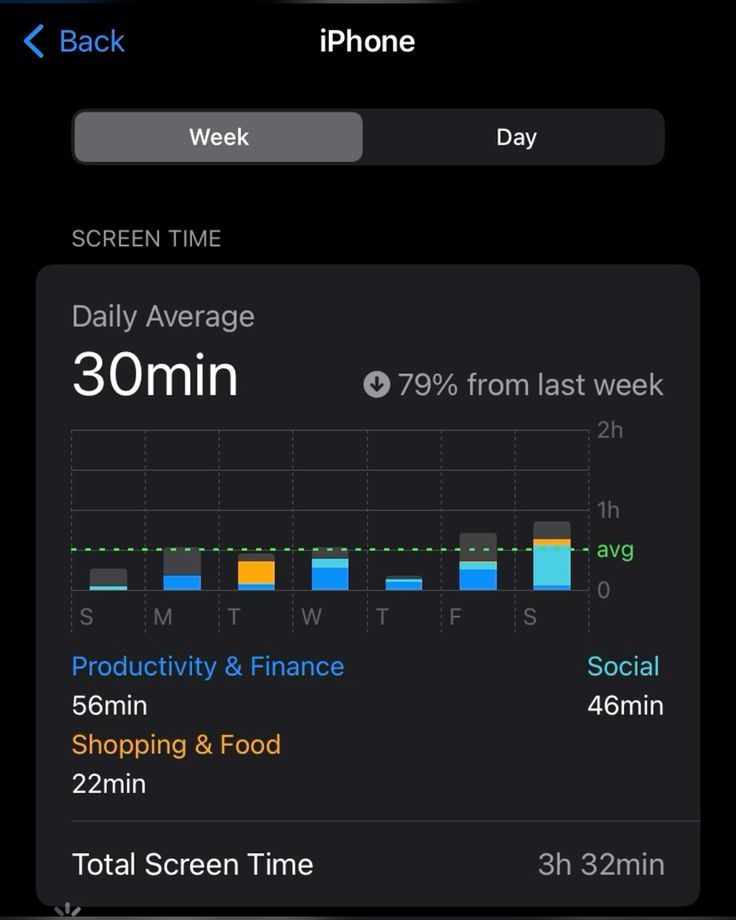
An unguided timer built for people who already have some kind of practice and don't want a voice talking them through it. Set a duration, choose a bell, and sit.
Pros
No guided sessions or social feed to scroll through, just a timer
Highly customizable presets and segments (warmup, sitting, cooldown)
Free to use for the core timer, with a large, actively rated user base
Cons
No instruction included, so it isn't built for someone who wants to learn technique from scratch
Progress tracking, mood notes, and the tree-growth feature sit behind a paid tier
Offers little for someone who specifically wants a guiding voice
Verdict: a good fit for someone who already knows what they're doing and wants a clean, distraction-free timer, not a fit for a first-timer looking for instruction.
2. Meditation Timer: Bell & Music App
Covers similar ground to a basic timer but leans harder into sound customization, letting someone mix interval bells, ambient music, and sleep sounds.
Pros
Highly customizable bell and background sound combinations
Built-in mood stamp and a note field that works like a lightweight journal
Core features are free, with no subscription required
Cons
The interface packs in a lot of options, which can feel busier than a simple timer for someone who wants minimal
Like Timefully, there's no instructional content for someone starting from zero
Sound customization can become its own small decision-making step for someone trying to avoid decisions
Verdict: a good fit for someone who cares as much about the exact sound environment as the timer itself.
3. Simple Habit
Short, guided sessions, most of them around five minutes, organized by situation rather than technique: a commute, a lunch break, a rough night's sleep.
Pros
Sessions are genuinely short and easy to fit into small gaps in a day
Guided by a range of teachers, useful for someone who's never meditated before
Content is organized around real situations, not meditation jargon
Cons
Most of the library sits behind a subscription, including offline access
The wider app also includes streak tracking and a larger content library beyond the five-minute sessions, so it's not purely minimal
Some recent user reviews report occasional loading or playback issues
Verdict: a solid entry point for someone who wants a voice guiding them and only has five minutes, less suited to someone who wants zero library at all.
4. Waking Up
Created by neuroscientist Sam Harris, pairing guided sessions with a full theory section on the ideas behind the practice.
Pros
Combines practice with genuine explanation of why a technique works, not just how to do it
The structured introductory course gives new users a clear, guided starting point
Free access is available to anyone who requests it directly
Cons
Premium pricing, and the free version only unlocks a small portion of the course and theory library
Not built around quick relaxation or sleep content, since that isn't its focus
Asks for more sustained attention than a five-minute session, which won't suit every busy schedule
Verdict: best suited to someone who wants to understand the reasoning behind a practice, not just a fast way to relax.
5. Zen Bell
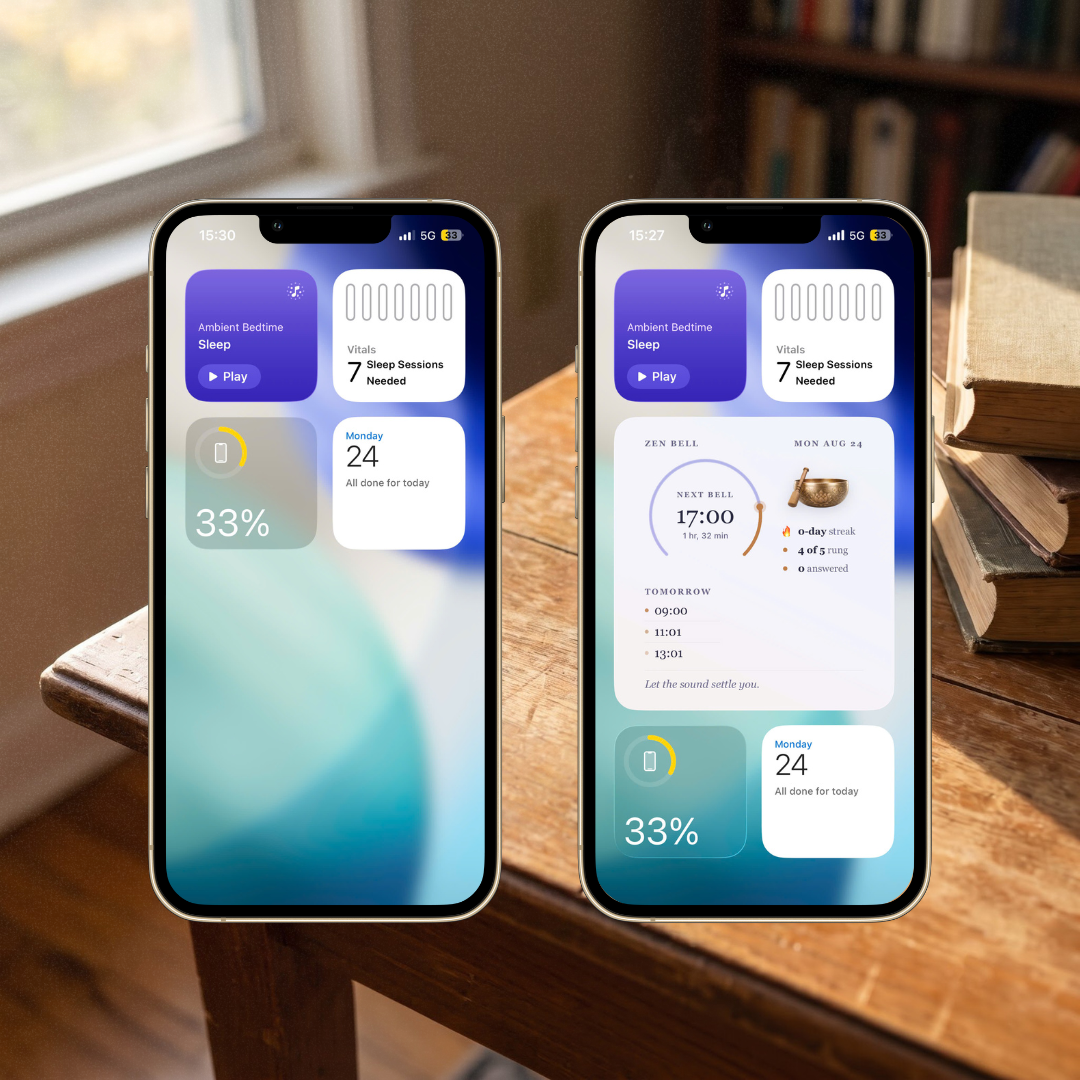
A physical bell, recorded from an actual bowl being struck, that rings on its own schedule throughout the day, prompting a brief pause wherever someone happens to be, with no session to start first.
Pros
No app to open, no session length to pick, and nothing to choose between when it rings
Doesn't require remembering to use it, since it arrives on its own
Fits into moments where opening any app at all feels like one decision too many
Cons
No guided content or theory section for someone who wants structured teaching
Not built for someone who wants to actively choose a practice, a teacher, or a technique
Assumes some comfort with an unguided pause rather than step-by-step instruction
Verdict: built for the specific moment none of the other four are really designed for, not a replacement for any of them.
App link: zen-bell-meditation-journal
Which kind of person are you
None of this is really about ranking one above another. Some people want to actively choose a practice each time: pick a length, pick a teacher, pick a mood, pick a sound. Timefully, the Bell & Music app, Simple Habit, and Waking Up are all built for that kind of choosing, just at different depths. Other people want something that doesn't ask for a choice at all, something that simply shows up on its own. That's the gap Zen Bell is built to sit in. Neither instinct is wrong, and most people probably lean one way on a calm day and the other on a chaotic one.