It's 3pm. Your neck feels stiff, your eyes are tired from staring at a screen, and the sentence you've been trying to write for ten minutes still isn't coming together. You haven't moved much since lunch, and your body and mind both seem to have slowed to a crawl.
The answer isn't a long workout you don't have time for. It's something much smaller: movement snacks, short bursts of activity sprinkled throughout your day. Below, you'll find six 2-minute movement snacks you can do right at your desk, with no gym, no equipment, and no change of clothes required.
What are movement snacks?
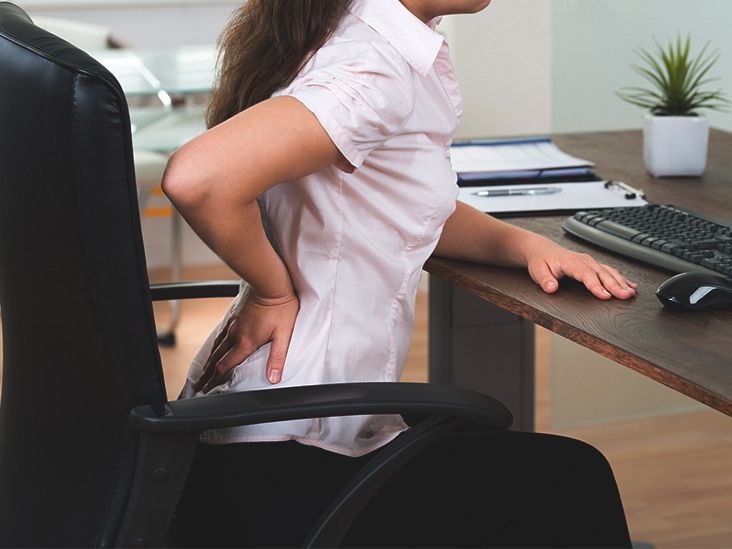
Movement snacks are brief moments of physical activity, usually lasting between one and five minutes, that break up long periods of sitting.
The idea is gaining attention in 2026 for a simple reason. Many of us spend most of our working hours seated, whether at an office desk or a kitchen table, and finding time for a full workout on a busy day can feel impossible. Movement snacks fit into the gaps that already exist, like the minutes after a meeting or while a file is uploading.
A long workout once or twice a week is valuable, but it doesn't undo hours of sitting on the other days. Frequent short movement keeps your body active across the whole day.
Research from Columbia University supports this approach. In a 2023 study, 11 adults sat for eight hours in a lab while testing different walking breaks. The most effective routine was five minutes of light walking after every 30 minutes of sitting, which was the only schedule that significantly lowered both blood sugar and blood pressure. It also cut blood sugar spikes after large meals by 58% compared with sitting all day. The study was small, but the message is encouraging.
Why short breaks help your focus too
Movement snacks aren't only good for your body. They can also change how you feel while you work.
In the same Columbia study, most of the walking routines led to noticeably less fatigue and a better mood. A larger body of research points in the same direction. A 2022 meta-analysis published in PLOS ONE combined 22 studies on micro-breaks, defined as pauses of ten minutes or less, and found that these short breaks reliably increased feelings of energy and reduced fatigue.
Neither study, however, found that short breaks directly improved performance on demanding mental tasks. The meta-analysis saw benefits mainly for less demanding work.
What short breaks do offer is a chance to reset. When you step away from a task, even briefly, you release physical tension, give your eyes a rest, and return with more energy.

6 movement snacks you can do at your desk
Each of these takes about two minutes. Do one at a time, or combine a few when you have longer.
1. Neck and shoulder release
Hours of looking at a screen tend to pull your head forward and lift your shoulders toward your ears. To release that tension, sit tall and slowly tilt your right ear toward your right shoulder, holding for a few breaths before switching sides. Then gently roll your shoulders backward five times and forward five times.
2. Seated spinal twist
Sitting for long periods can leave your back feeling stiff and compressed. Sit toward the front of your chair with both feet flat on the floor. Place your left hand on your right knee and your right hand on the back of the chair, then gently rotate your upper body to the right as you breathe out. Hold for three or four slow breaths, return to center, and repeat on the other side. Move slowly and only twist as far as feels comfortable.
3. Stand and reach
This one is as simple as it sounds, and it's one of the most effective ways to wake up your body. Stand up, interlace your fingers, and reach your arms overhead, stretching tall as if you're trying to touch the ceiling. Hold for a few breaths, then lean gently to one side and then the other.
4. Calf raises
Your calf muscles help push blood back up from your legs toward your heart, which is why they're especially worth activating when you've been sitting still. Stand behind your chair and hold the back lightly for balance. Slowly rise onto your toes, pause at the top, and lower your heels back down with control. Repeat 15 to 20 times.
5. Walk to refill water
Some of the best movement snacks are built into things you already need to do. When your water bottle runs low, take the longer route to refill it, or walk to a kitchen on another floor. You'll get a few minutes of light walking, stay hydrated, and give your mind a genuine break from your screen.
6. Eye break
Your eyes need movement breaks too. A simple guideline often recommended by eye care professionals is the 20-20-20 rule: every 20 minutes, look at something about 20 feet (roughly 6 meters) away for 20 seconds. For a fuller two-minute break, look out a window, let your gaze rest on distant objects, and blink slowly a few times.
How to actually remember to move
Knowing that movement snacks help is one thing. Remembering to do them in the middle of a busy workday is another.
One of the easiest ways is to connect them to habits you already have. For example, you might stand and stretch after every meeting, do a few calf raises after sending an important email, or take your water walk each time you finish a task. Because these moments already happen naturally, they become built-in reminders.
A reminder at regular intervals also helps, especially on focused days when you lose track of time.
Most importantly, start small. Rather than aiming for a movement break every half hour right away, begin with three movement snacks a day, perhaps one mid-morning, one after lunch, and one in the mid-afternoon. If you're already feeling stretched thin by wellness routines, keep it light. As we explored in Wellness Burnout Is Real, self care works best when it doesn't become another item on your to-do list.
Small breaks, real difference
You don't need a gym membership or an hour of free time to feel better during your workday. Just two minutes of movement, repeated a few times a day, can loosen stiff muscles, lift your energy, and help you return to your work feeling refreshed.
To make these breaks easier to remember, you can set a recurring bell to remind you to stand up and move. When your break is over, take a few slow breaths before returning to your desk. If you're curious why a bell works so well as a gentle cue, read How a Bell Brings Your Focus Back.