
You sit down with a fresh notebook and a cup of tea, planning to write a proper entry. Pages, maybe. Everything that happened this week, everything you have been meaning to think through.
Twenty minutes later, there is one line on the page: I’m more tired than I’ve been admitting.
That’s it. And somehow, it is the truest thing you have written in weeks.
You don’t need many words to be honest. It is worth looking at why short, private writing is often easier to keep up, and often more truthful too.
Why long journaling rarely lasts
Many of us have a notebook like this on a shelf. It was bought in January with good intentions. The first few pages are full, and the rest are blank.
Long writing asks for a lot. It needs time, quiet, the right mood and a feeling that you have something worth saying. On busy days, those are hard to come by. So we skip a day, and a skipped day becomes a skipped month. By then, picking the notebook up again feels like owing it an explanation.
None of this means long journaling doesn’t work. For some people, a few pages every morning are a steady anchor. But if it has never stuck for you, the problem may not be you. It may simply be the size of the ask.
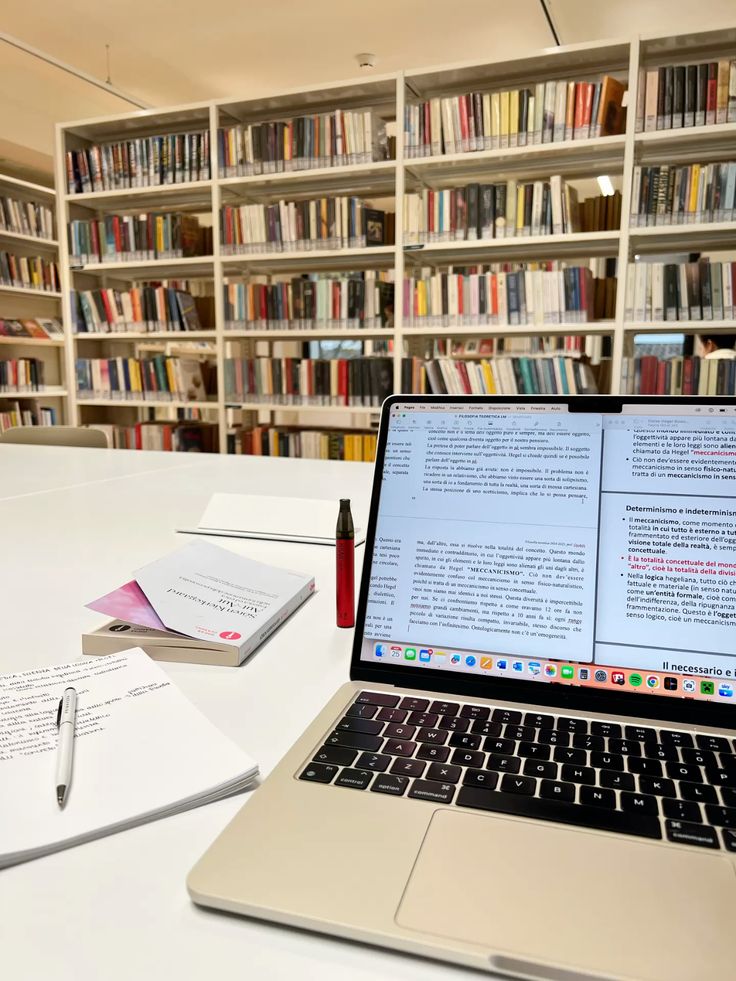
The power of one line
One sentence forces a choice. You can’t write everything, so you write what matters most. There is no room for decoration, for setting the scene or for explaining yourself to an imagined reader. There is only the thing itself.
A nurse at the end of a long shift, still in her scrubs, writes a single line on a scrap of paper in the locker room before heading home: The patient in room four smiled today for the first time. A fisherman between hauls pulls a small notebook from his jacket pocket and writes: Calm water, slow catch, good talk with my brother.
Single lines add up. Read them back a month later, and they become a quiet record of what mattered. Patterns appear that you didn’t notice while living them. Maybe you wrote about sleep more often than you realized, or about one particular friend, or about a worry that, a few weeks later, had simply disappeared.
Writing only for yourself
When no one will read it, you don’t have to write well. You only have to write truly.
So much of what we write today has an audience built in: captions, posts, messages, comments. Even a diary can quietly start performing for some imagined future reader. Private writing has none of that. There are no likes, no replies and no one grading it.
A student in the library writes a small note in the margin of her own notebook: I don’t actually want to study law. She will never show it to anyone. She doesn’t need to. Writing it down was the whole point.
Honesty comes more easily without an audience. Your sentences don’t need to be wise, neat or even kind. They just need to be yours.

A few ways to start
If a blank page feels too big, try one of these.
Write one thing you noticed today. The smell of rain on warm pavement. The way a colleague laughed at her own joke.
Write one thing that’s hard right now. You don’t need to solve it. For one line, naming it is enough.
Write one thing you want to remember. A retiree at the kitchen table writes one line after breakfast each morning: Grandson called. He’s learning guitar. It is small, and it is kept.
Let go of the count. You don’t need to write every day, and there is no need to tally how many days in a row you have managed. If you miss a week, the next line is simply the next line.
Go back to that notebook with its single line. At the time, it may have felt like a failure. You meant to write pages. But look at it now. It is one honest sentence that was true when you wrote it, and it is still telling you something.
Tonight, before bed, open a notebook, the back of an envelope or anything close at hand. Write one honest sentence. Just one. Then close it, and let that be enough.
One sentence, one bell
If one honest line a day sounds like something you would like to try, there is a small app we have been building that might keep you company. Zen Bell is a quiet bell for your day. You choose a daily window and a gentle rhythm, and a soft singing bowl tone invites you to pause for one breath, wherever you already are. When it rings, you can note a single thought in a private journal that stays on your device by default. There is no feed and no audience, just a line or two in your own words.