
The list always looks reasonable when you write it. Drink more water, walk every day, read before bed, stretch in the mornings, journal, cut down the scrolling, cook properly, sleep earlier. Ten items, all sensible, all starting on the first.
Week one goes well. By week three you couldn't name half of them without looking.
This isn't a willpower problem. It's an arithmetic one, and the fix is smaller than you'd think.
Why long lists fail
Every new habit needs attention, and attention is finite. Ten new habits don't split your effort ten ways so much as compete with each other, and the ones that lose tend to lose quietly.
There's research pointing the same direction. In a study published in the Journal of Consumer Research, Dalton and Spiller found that making detailed plans helped people achieve a single goal, but backfired when applied to several at once. Planning for multiple goals drew attention to how hard executing all of them would be, which reduced commitment and made success less likely. The planning itself wasn't the problem. The number of goals was.
The list also creates a trap. When you skip one item, the whole thing starts to feel broken, and abandoning all ten feels cleaner than carrying nine.
Then there's the date. A new month genuinely does give you a small motivational push, something researchers have documented as the fresh start effect, where aspirational behavior rises after landmarks like the first of the month. But that push is good at starting things and much weaker at sustaining them. If the boost arrives and finds nothing specific to attach to, it fades within a couple of weeks and takes your list with it.

How to choose your one thing
Pick what makes other things easier
Some habits only affect themselves. Others quietly change the shape of everything around them.
A steady bedtime is the clearest example. Get that right and your mornings, your patience, your appetite, and your focus all shift with it. Compare that with learning a new app shortcut, which stays exactly the size it started. If you're choosing between several candidates, ask which one the others depend on.
Make it small enough to be boring
The right size is one you could still do on your worst day of the month. Not your average day, your worst one.
Two minutes of stretching. One page. A ten-minute walk. These feel almost embarrassingly modest in week one, which is precisely why they survive to week four. Ambitious versions produce a good first week and then nothing.
Attach it to something you already do
Don't rely on remembering. Attach the new thing to an existing anchor: after the coffee is poured, after you shut the laptop, after you brush your teeth. The old habit becomes the reminder, so you're not spending willpower on recall.
Choose something you can do alone
A change that depends on someone else's calendar has a second point of failure. Weekly tennis with a friend is lovely and fragile. A walk you take by yourself only needs you.
Once you've decided, write it as one sentence with three parts: what, when, and for how long. "Ten minutes of walking after lunch." "One page of reading before bed." If you can't fit it into a sentence that plain, it isn't specific enough yet.
The first two weeks are the test
Week one is easy, and slightly misleading. Novelty carries you, and you'll probably conclude you've cracked it.
Week two is where it's decided. The novelty is gone, the thing is now simply a thing you have to do, and something inconvenient will happen. That's not a sign it isn't working. That's the actual beginning.
The move here is to lower the bar rather than skip the day. Two minutes instead of ten. Half a page instead of a page. A minimum version keeps the thread intact, and the thread is what you're really building.
One missed day is unremarkable, and treating it as a failure does more damage than the miss. Two missed days in a row is worth noticing, not because the streak matters, but because that's usually where a habit quietly stops.
Track it lightly
A mark on a paper calendar is enough. You want to be able to see the shape of the month at a glance, nothing more.
Be careful with this part. Tracking is a tool, and it turns into pressure surprisingly fast. If you find yourself anxious about breaking a chain, or doing the thing purely to protect a number, drop the counting entirely. The habit is the point. The record was only ever a convenience, and we wrote about how easily this tips over in Wellness Burnout Is Real.
What's worth recording isn't the count anyway. After two weeks, write one line about how you feel. That tells you far more about whether to keep going than a row of ticks does.
What to do with the other nine ideas
Write them down somewhere, then close the list.
You're not discarding them. You're queuing them. One idea a month is twelve changes a year, which is considerably more than most people manage by attempting ten at once each January.
There's a bonus in waiting, too. Some of those nine will have lost their appeal entirely by the time you look again, and that's useful information you'd never have got by starting them. An idea that doesn't survive four weeks in a notebook probably wasn't going to survive four weeks in your life.
If you'd like a simple way to run this every month, we set out a short version in The Monthly Reset.
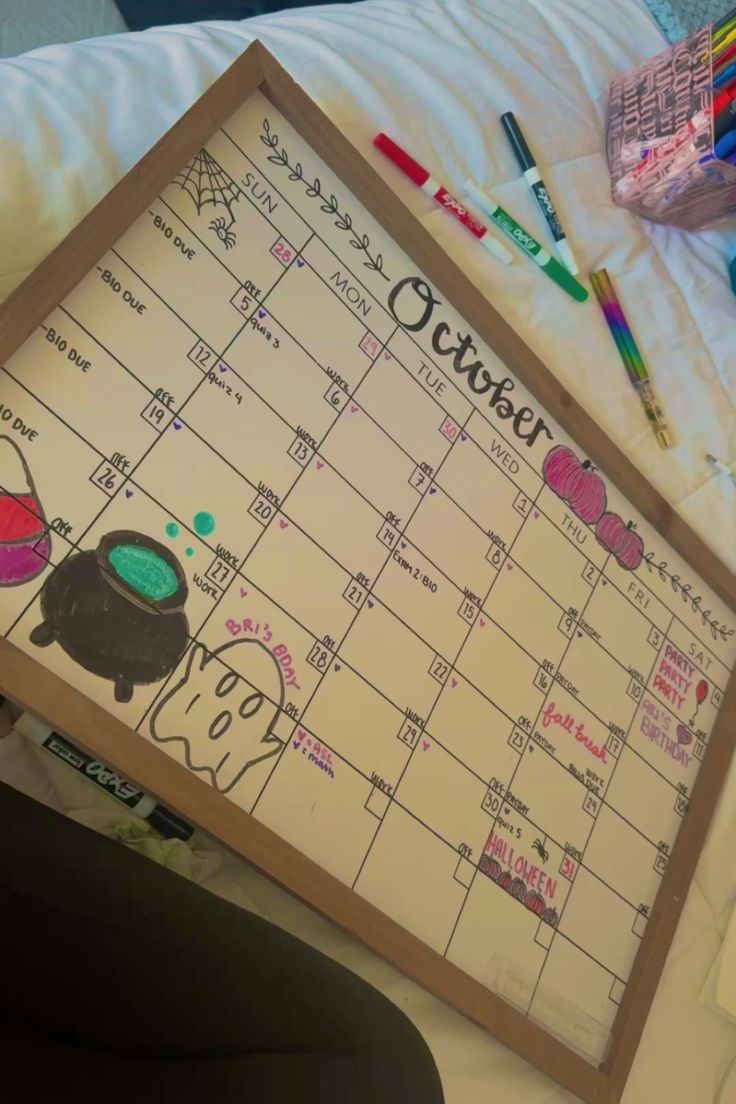
If you miss the first of the month
The first is a good hook, not a magic date. Nothing in your body knows it's October.
Starting on the 9th works. So does the 17th. The fresh start effect is real, but it also works with self-made landmarks, and a Tuesday you decide is the start is a landmark.
Waiting for a tidy date is usually procrastination wearing a respectable outfit. If the sentence is written, today is available.
One small change kept for a month is worth more than ten abandoned in the first week, and it leaves you with something you can build on rather than a list to feel bad about.
Before today ends, write your sentence for October. What, when, how long. Then close the notebook and leave the other nine where they are.