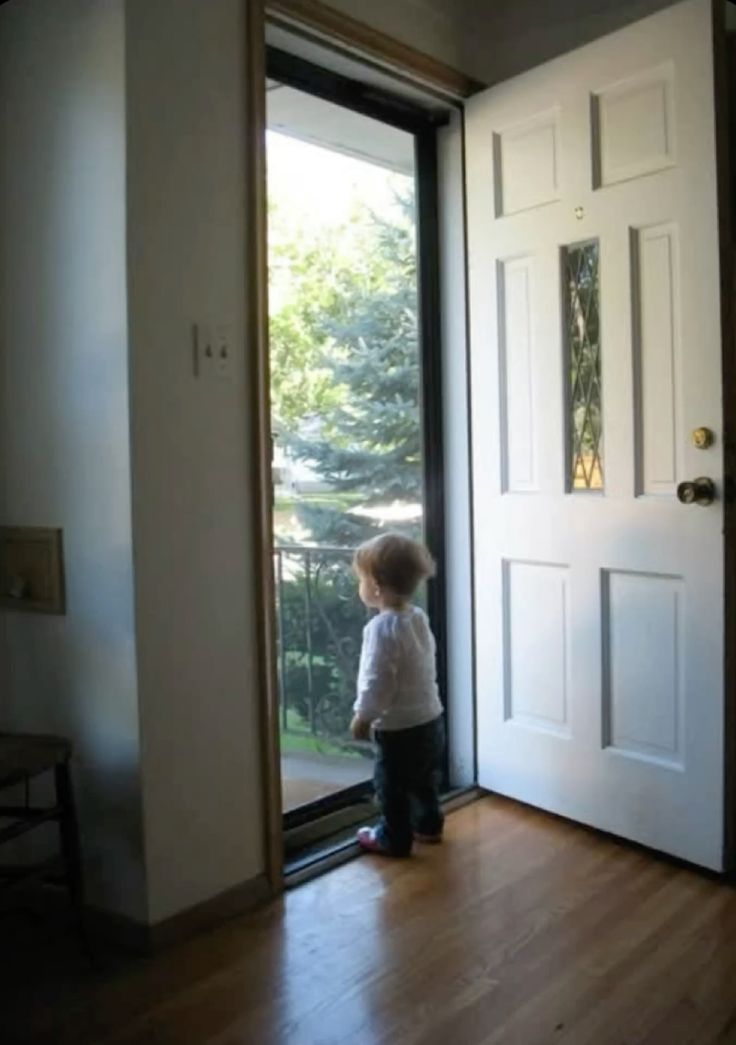
One hand is stirring a pot of soup. The other is holding a phone, thumb typing a reply to a client who wants the revised numbers before tomorrow. From the next room, a small voice calls out: "Can you come see this?"
For a moment, this parent is three people at once. A cook watching the heat. A colleague trying to sound calm. A mother or father being asked to look. None of the three is getting full attention, and each one deserves it.
Many parents feel this pressure and rarely say it out loud. It is worth giving it a name.
The line that used to exist
Not long ago, leaving the office meant something. You walked out, the door closed behind you, and work stayed on the other side until morning. The line was never perfect, but you could see it.
Now the office fits in a pocket. A message arrives during bath time. A calendar alert lights up the dinner table. And the traffic runs both ways. The school sends a notice in the middle of a meeting. A grandparent calls about pickup while you are on mute. A text about a forgotten lunchbox appears halfway through a presentation.
Nobody planned this. It arrived slowly, one convenient app at a time, and much of it genuinely helps. Being reachable means you can leave early for a school play and still answer the one question that would have held up a project. But the convenience came with a cost that is easy to miss. There is no longer a moment when either role is officially over.
The work nobody sees
Ask a parent what they did today and they will list the visible things: the cooking, the driving, the meetings, the laundry. But a great deal of the day happens inside their head.
Remembering that the vaccination appointment is next Thursday. Noticing that the sneakers are getting tight. Knowing the permission slip needs a signature by Friday. Packing tomorrow's bag at eleven at night. Seeing that a child came home quieter than usual, and quietly keeping an eye on it.
Sociologists have studied this kind of effort. In a 2019 paper, sociologist Allison Daminger described what she calls cognitive labor, which entails anticipating needs, identifying options for filling them, making decisions, and monitoring progress. Her interviews with couples found that this work is taxing but often invisible to both cognitive laborers and their partners.
That last part matters. The heaviest part of the load is often not the doing. It is the thinking ahead, the low background hum of "what have I forgotten," which keeps running whether or not anything has actually been forgotten. You cannot see it from across the room. Often the person carrying it cannot fully see it either.
Guilt in both directions
Picture a father at the school gate at 3:15. He made it on time, which felt like a small victory back at lunch. Now his daughter is telling him about a classmate's rabbit, and his phone buzzes with an email from his manager. He glances down. She notices. He notices her noticing.
On the drive home, he feels he owes her a better listener. Later that evening, at the laptop, he feels he owes his team a faster reply. Either way, someone seems to be waiting on him.
This guilt rarely comes from one specific person. His daughter is not keeping score. His manager may not even expect an answer tonight. The pressure comes from somewhere more diffuse: an expectation, picked up from everywhere at once, that a good parent and a good worker are fully present in every place, all the time.
No one can meet that standard. Not because they are failing, but because the standard asks one person to be in two places at once.
Present in pieces
Maybe presence does not have to be whole to be real.
Five minutes on the floor building a block tower, phone face down. A full, unhurried look at a drawing before saying anything about it. One honest "give me two minutes, then I'm all yours," followed by actually showing up.
These pieces are small, and they will never fit neatly into a planner. But children tend to remember the moment someone truly looked at them, more than the hours someone was technically in the room.
Being present in pieces is not a lesser kind of parenting. For many families right now, it is simply what love looks like.
Back in the kitchen, the soup comes to a boil. The child runs in holding a paper crown, slightly crooked, made just now.
The email can wait five minutes. It always could. The heat goes down, the phone goes on the counter, and for a little while the only thing that needs a reply is a small person asking, "Do you like it?"