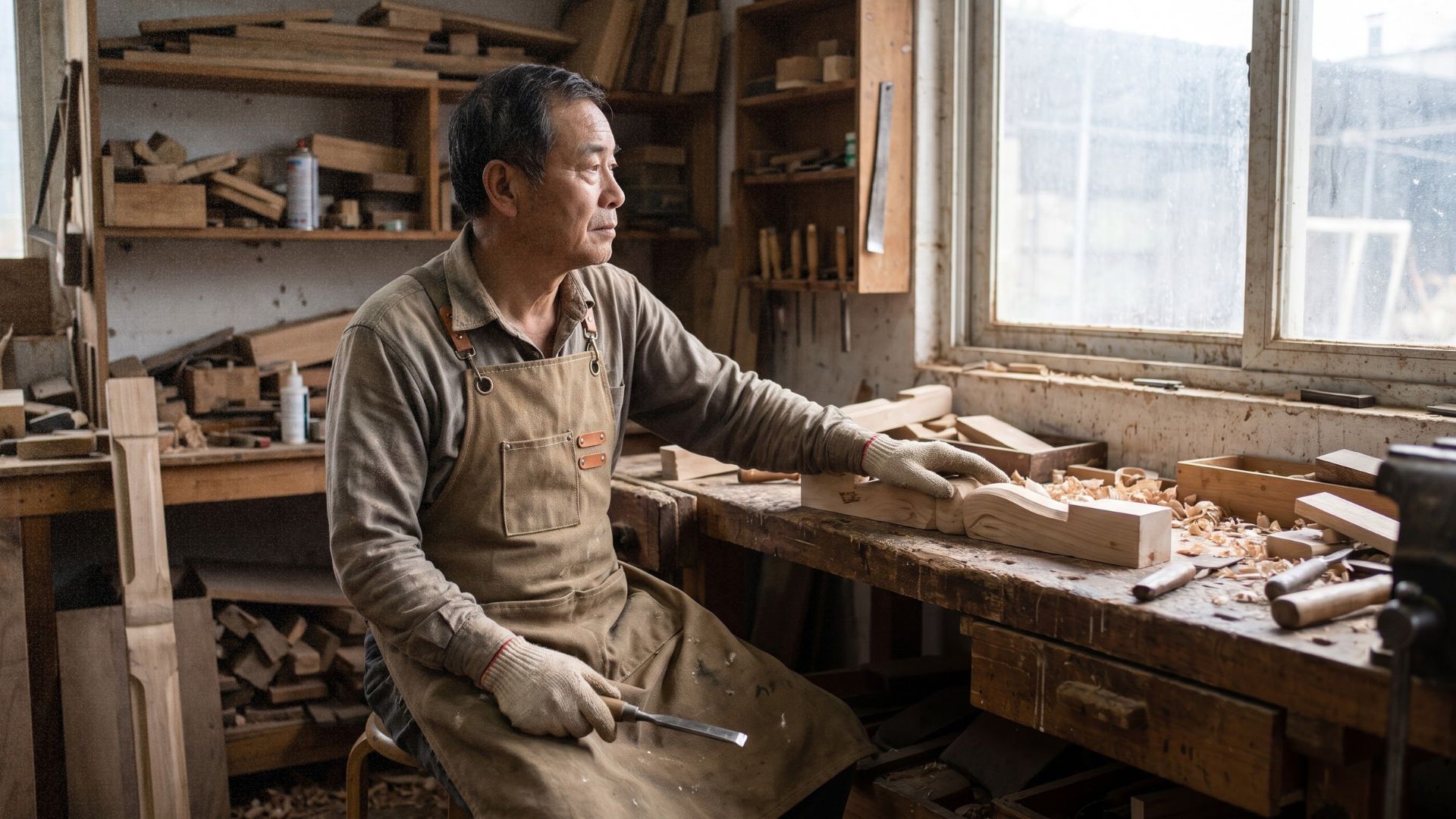
Not all rest looks like lying down. Some of it is smaller than that, and easy to miss entirely: the half-second before you answer a question, the breath you take without deciding to, the moment your shoulders drop an inch you didn't know they'd raised. None of it shows up on a calendar. All of it counts.
Most days are full of a kind of tiredness that doesn't ask for a nap. It asks for something smaller and stranger: a pause just long enough to remember you have a body, sitting somewhere, doing something, right now. Not a break from the day. A moment inside it.
The tiredness that a nap doesn't fix
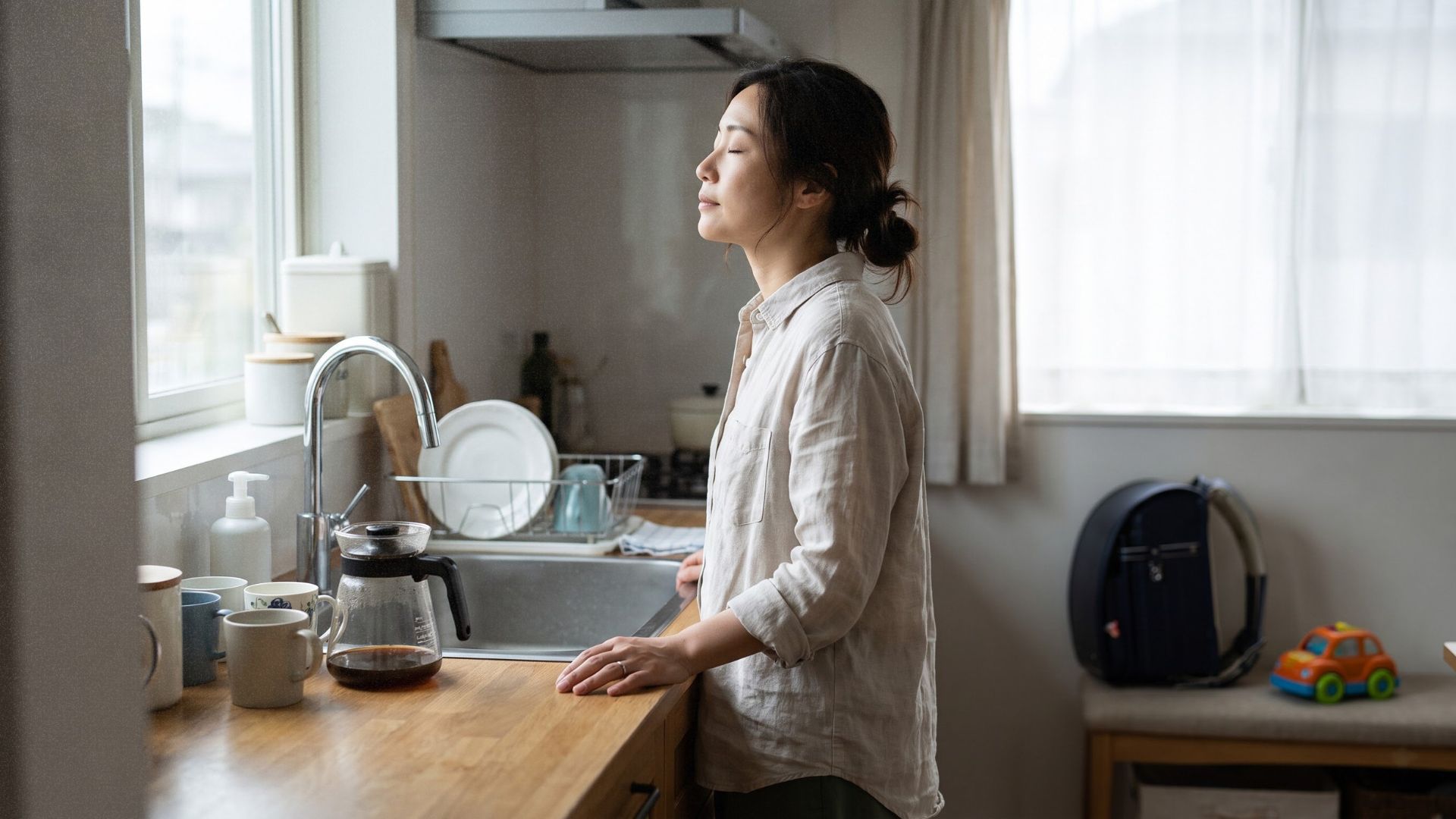
There's a particular kind of tired that has nothing to do with sleep. You can wake up fully rested and still feel, by mid-morning, a low hum of depletion that no amount of sleep the night before seems to touch. It isn't your body asking to lie down. It's something quieter: the accumulated weight of moving from one thing to the next all day without ever quite landing anywhere.
This is easy to miss because it doesn't announce itself the way exhaustion does. It shows up as a faint restlessness, a sense that you've been busy without being anywhere in particular, a day that technically had you present for all of it and somehow still felt like it happened without you. The fix for this isn't more sleep. It's smaller and stranger than that. It's landing, briefly, somewhere in the middle of the day, instead of only at the end of it.
The rest that fits between things
There's a particular kind of relief in a pause that doesn't ask anything of you. No stretch to complete, no water to drink, no box to check. Just ten seconds where nothing is required except noticing that you're here.
It's easy to assume rest has to be earned in bigger units, an evening, a weekend, a vacation you're still saving up for. But something gentler happens in the smaller moments too. A breath taken on purpose in the middle of an ordinary afternoon doesn't erase a long day. It just gives the day a soft seam, a small place where one part ends and the next begins, instead of nine hours running together without a single place to set anything down.
Think of the difference between a long hallway with no doors and one with a few. Nothing about the length changes. But a hallway with doors, even ones you don't open, feels different to walk through. It has places. A day with a few small pauses built into it has the same quality: not shorter, not less full, just less like one long unbroken corridor.
Why smaller is sometimes exactly right
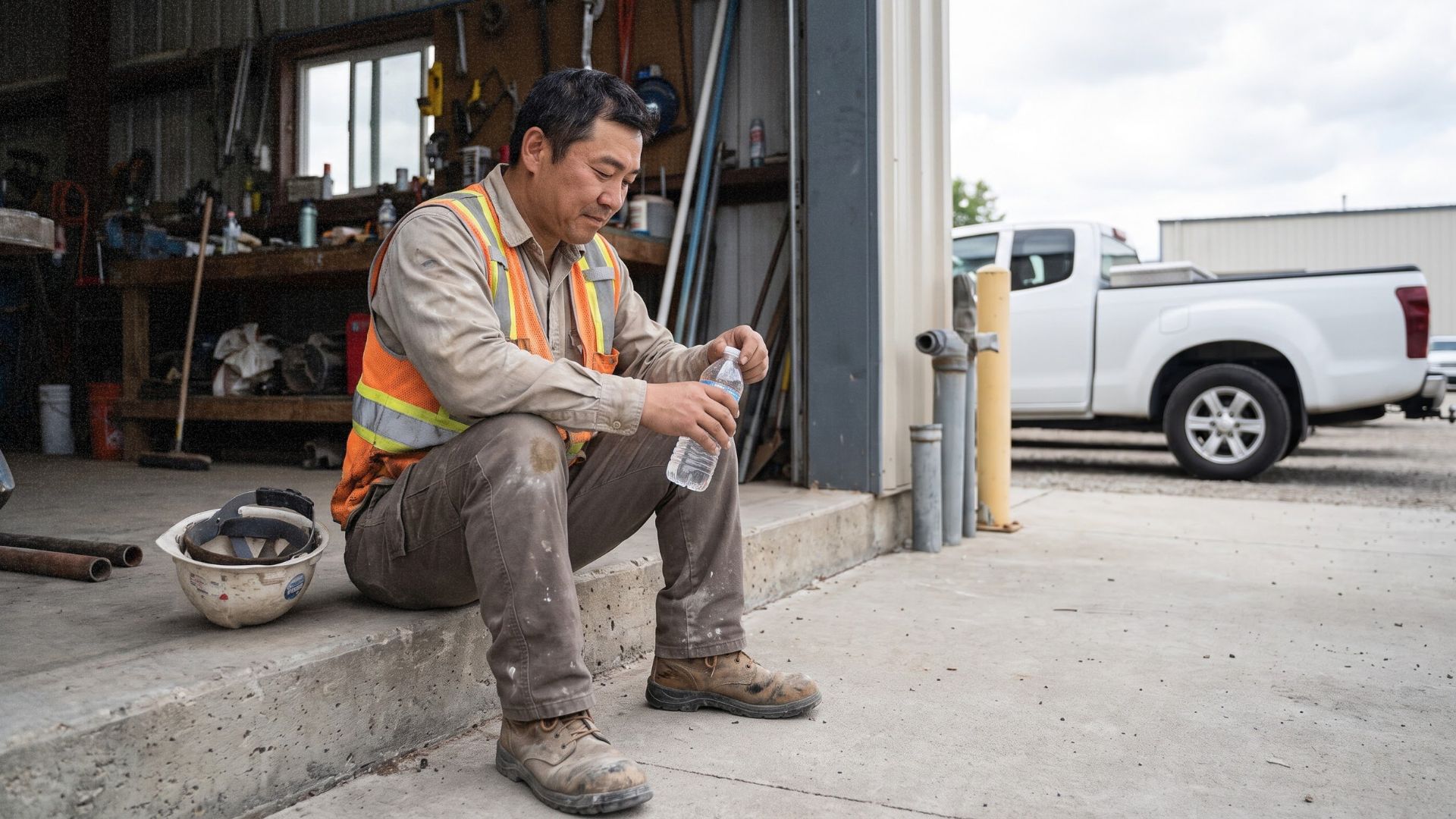
A pause that asks for very little is easier to actually take. Ten seconds fits almost anywhere, a hallway, a desk, the three steps between one room and the next. It doesn't need permission or planning. It's already the right size for a day that was never going to clear an hour for anything.
There's something quietly generous about that. A rest that doesn't demand much of you is a rest you'll actually let yourself have. The kind of rest that requires clearing your schedule, explaining yourself, or feeling like you've earned it tends to get postponed indefinitely, not because you don't need it, but because the size of the ask keeps outpacing the size of the day. Ten seconds doesn't have that problem. It's small enough to survive contact with an actual Tuesday.
What this looks like on an ordinary day
It rarely looks like much from the outside. A hand pausing on a keyboard. Eyes lifting from a screen toward a window for no particular reason. A breath that's a little slower and a little deeper than the ones around it. None of it interrupts anything that matters. All of it is doing something, quietly, underneath the surface of an otherwise unremarkable afternoon.
You don't need a name for it while it's happening. You just need it to happen more than once a day, in moments too small to schedule and too easy to skip if nothing nudges you toward them.