
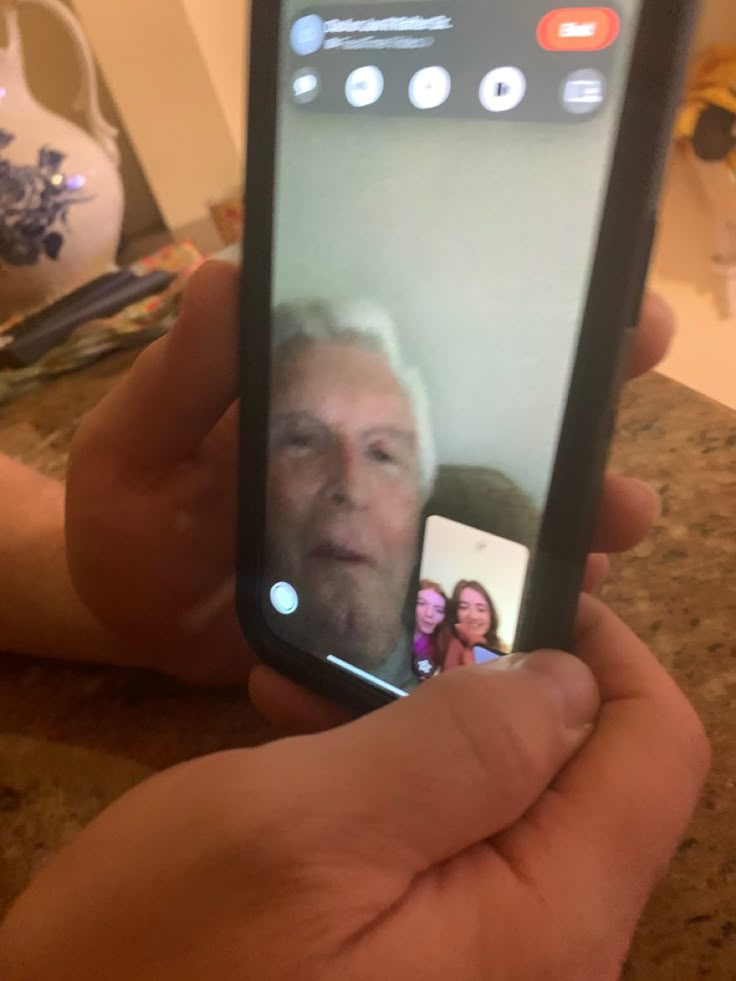
The Sunday call lasts about ten minutes. You ask how they're feeling, they say fine. You ask about the weather, they tell you. You mention work, they say don't overdo it. Then there's a pause, and one of you says you should probably let the other go.
You hang up loving them and feeling oddly far away, with a small guilt underneath it: you should call more, you should visit more, you should have something better than this.
The International Day of Older Persons falls on 1 October, and this year the United Nations has themed it around longer lives and what needs to change to support them. Most of that conversation is about systems. This one is smaller: the things you can actually do from where you are.
Why the distance grows quietly
Nobody decides to drift. It happens through ordinary arithmetic.
When you lived in the same house, connection was a by-product of being there and you didn't need topics. Now the shared material has run out, and the only things left to report are health, weather and work, which is why the call sounds like a status update.
Your parents are also managing something you might not see. Many people of that generation are careful not to be a burden, so "we're fine" is less a report than a kindness they think they're doing you. The lonelier they are, the less likely they may be to say it, because saying it would worry you.
And you're busy, so each call feels like it should be substantial enough to justify the gap since the last one. That expectation quietly raises the cost of calling at all.
Short and often beats long and rare
Five minutes three times a week does more for closeness than an hour once a month. Frequency is what makes you present in someone's life. Length mostly makes a call feel like an event.
So lower the bar. Call while you're walking, cooking or waiting for something, and hands-free in the car if that's safe where you are. A call made in the gaps of your day doesn't require you to be at your best, which means you'll actually make it.
Send small things too. A photo of your lunch, the dog, the traffic, a tree that's turned yellow. None of it is interesting, and that's the point: it says you thought of them at 2pm on a Tuesday for no reason at all. Over a month, those fragments add up to something a long call can't replicate.
Ask better questions
"How are you?" almost always returns "fine." It's a closed question wearing an open one's clothes.
Specific questions open doors. Who did you see today? How's the neighbour with the dog? Did the beans come up this year? These sound trivial, but they give someone something concrete to talk about, and the real conversation usually starts three sentences after the trivial one.
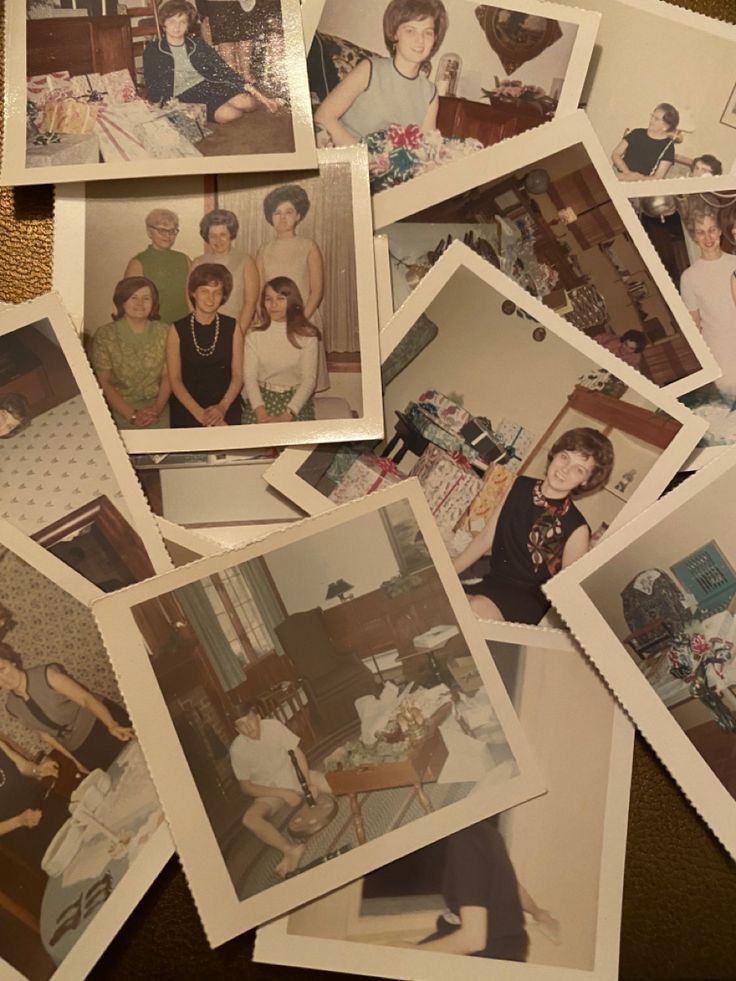
Then there's the category most of us leave far too late: the past. Ask what their first job was actually like. How they met. What their mother was like at their age. What the neighbourhood was like before you were born. Most people find their parents have stories they've simply never had an occasion to tell.
If it feels right, record them, or write notes afterward. It changes the nature of the call, because you're asking them as the expert rather than checking on them as a patient. You also end up with something you'll be very glad to have.
Do something together, even from far away
Connection is easier when it's built around an activity rather than a conversation.
Watch the same film or match separately and call afterward to argue about it. Cook the same family recipe on the same evening and compare results, which usually turns into a lesson in how you've been doing it wrong.
Send something physical now and then: a letter, a postcard, printed photographs. For many older people these carry a weight a message doesn't, partly because they can sit on a table and be looked at again.
If you're teaching them something on their phone, teach one thing at a time. Rushing a parent through a settings menu they can't see well makes them feel foolish, and less likely to ask next time.
Notice the quiet signs
Loneliness in later life usually doesn't announce itself. The World Health Organization notes that social isolation and loneliness affect about a quarter of older people, and describes them as key risk factors for mental health conditions in later life. Very little of that shows up as someone saying they're lonely.
What you may notice instead is a narrowing. They leave the house less. Friends stop coming up in conversation, or come up in the past tense. Invitations get declined for reasons that sound fine on their own. The voice on the phone has less lift than it used to.
None of this is a diagnosis or a checklist. It's just worth watching the shape of things across months rather than one call.
If something feels off, ask gently and directly rather than hinting. Something like "Have you been getting out much lately?" or "Do you feel like you have enough company?" gives them permission to answer honestly. Then listen without rushing to fix it, which is harder than it sounds and often the whole point, as we wrote about in The Art of Listening Without Fixing.
Practical help lands better than encouragement. Look up a community group, a class, or a local centre with them rather than telling them to get out more. And if low mood or withdrawal continues for weeks, encourage a visit to their doctor, and offer to help arrange it. What to Say When Someone Is Struggling covers how to raise that without it sounding like a verdict.
When visits are rare, make them count
If you only get home a few times a year, resist scheduling it tightly. A packed itinerary of outings can leave less closeness than a slow afternoon in the kitchen.
Do ordinary things together instead. Go to the market, sort out the garden, fix the thing that's been broken since spring. Shared tasks produce the kind of easy, sideways conversation that sitting across a table rarely does.
Set aside one stretch of the visit purely for listening, with nothing to solve and no logistics to review. Most visits home get consumed by admin, and the part everyone wanted gets squeezed out.
Before you leave, put the next visit in the calendar, even roughly. A goodbye with a date attached is a much lighter thing than a goodbye without one, for both of you.
Talk about the practical things early
At some point there are conversations about health, documents, money, and what they would want if things changed. Almost everyone postpones them.
The case for starting early is simple: the same conversation is far easier when nothing is wrong. In a crisis it happens under pressure, often between siblings who disagree, and without anyone knowing what your parents actually wanted.
Open with their preferences rather than your plan. "Have you thought about what you'd want if getting around got harder?" invites them in. "We think you should move" closes the door. You don't need to resolve anything in one sitting, and specifics are worth taking to a professional in your country, since rules differ everywhere.
Take care of yourself too
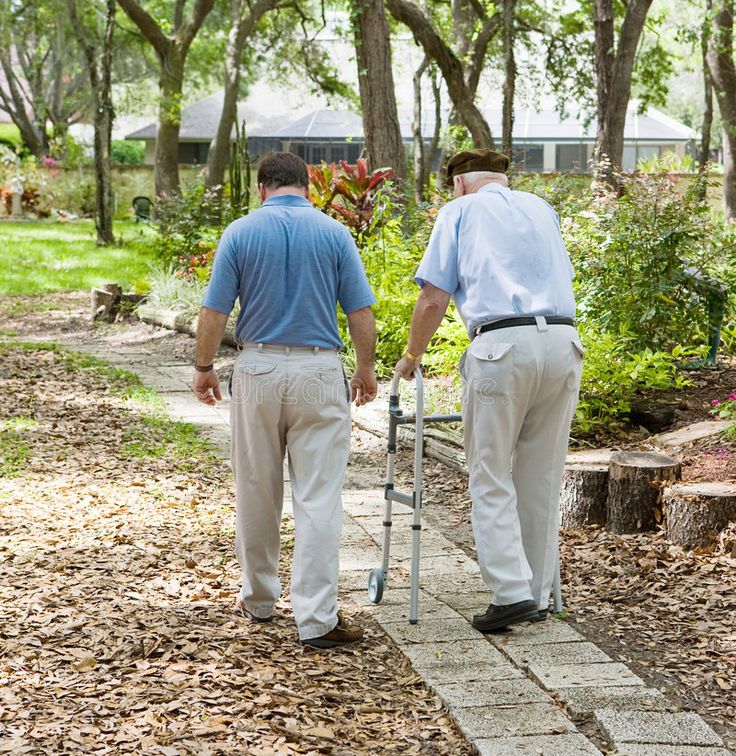
Caring about aging parents takes real energy, and it comes with a guilt that doesn't respond to evidence. You can call regularly, visit when you can, and still feel it isn't enough.
You're allowed limits. If you have siblings, share the load explicitly rather than assuming it will balance itself, because it usually settles onto whoever is nearest or least able to say no.
And if the weight of it stays heavy for a long stretch, talk to someone: a friend, a support group for carers, or a professional. Looking after your own footing isn't a distraction from looking after them. It's what makes it sustainable.
Closeness isn't built from long calls or perfect visits. It's built from showing up regularly, in small ways, over years.
Call today, even for five minutes. And ask one specific question instead of "how are you?"