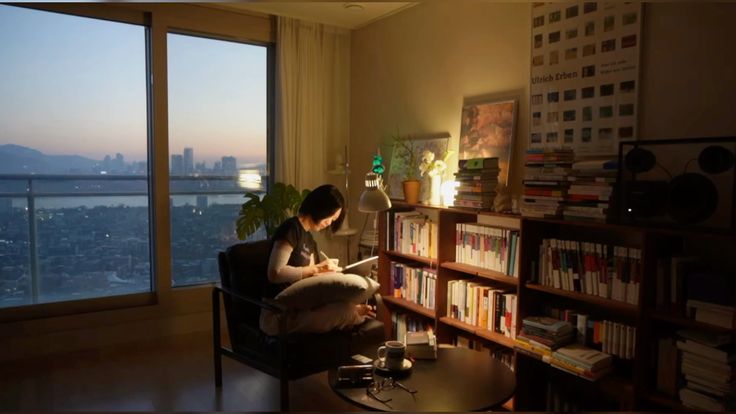
The group chat lit up at six. Drinks at the new rooftop place tonight, everyone's going, you in? You typed "Can't tonight, have fun!" and set the phone face down on the counter. Then you made a cup of tea, took a book out to the balcony and read until the light was gone.
Somewhere in the second chapter, you noticed something. You were not sorry, not even a little. If anything, you felt lighter than you had all week.
That relief can be surprising, especially if you are used to a small pang every time you say no. It is worth looking at why missing out is sometimes the better choice, and how to do it without the guilt.
From fomo to jomo
For years, the fear of missing out felt like a default setting. Social feeds made every gathering visible, every trip, every dinner, every concert you weren't at. Staying home could feel like falling behind in a race that everyone else seemed to be running.
The opposite feeling now has a name too: JOMO, the joy of missing out. It is the contentment of choosing not to be somewhere, and being genuinely glad about it.
It is also showing up in trend research. A 2026 trends report by Australian social researchers McCrindle predicted that a shift toward intentional living would become more pronounced. They describe it as a conscious move away from hustle culture, where people make deliberate choices about their time, energy and resources. The report frames it as a change from passive engagement to active choice, with people putting community, wellbeing and personal values ahead of outside pressure. In the same vein, a global survey by the agency Dentsu found that half of respondents were actively rationing their screen time because of what they called digital exhaustion.
JOMO is not about pulling away from people. It is about choosing where your yes goes.
What missing out gives back
Time in one piece. An evening without plans is not empty. It is whole. It is not broken up into getting ready, traveling, small talk and getting home late.
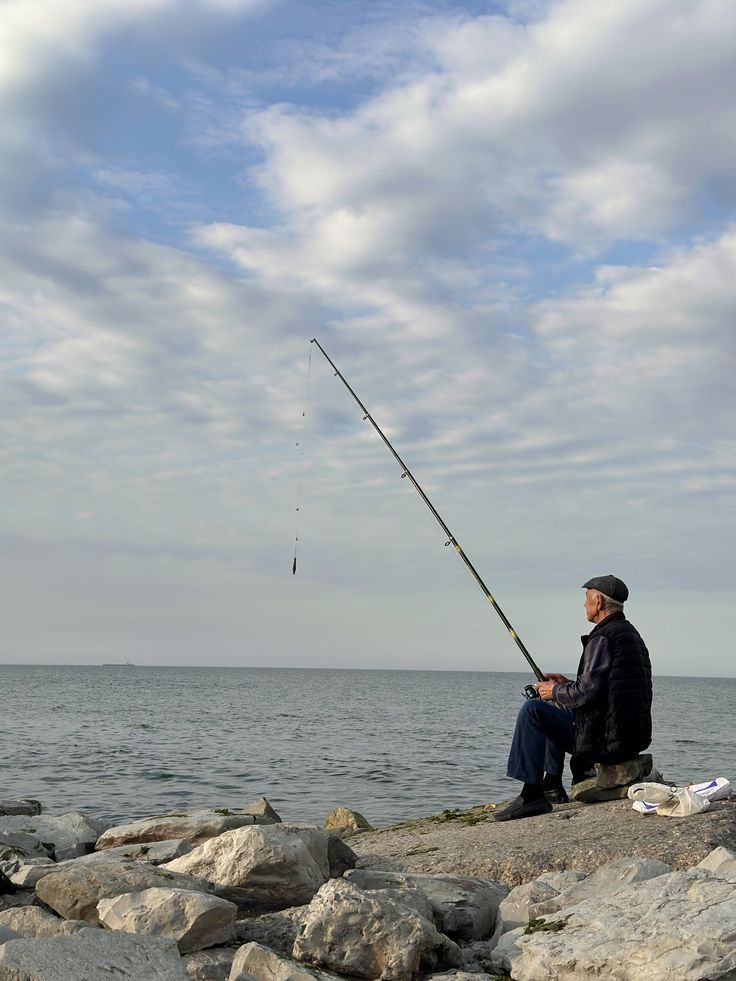
Picture a fisherman mending his net on a quiet afternoon. The work asks for steady, unbroken attention, so the hours pass slowly and the knots get tied well, because nothing is pulling him away. A long stretch of time lets things be done properly, and that includes rest.
Energy for what you actually choose. Every yes costs something. When you say yes to everything, the things that matter most end up with your leftovers.
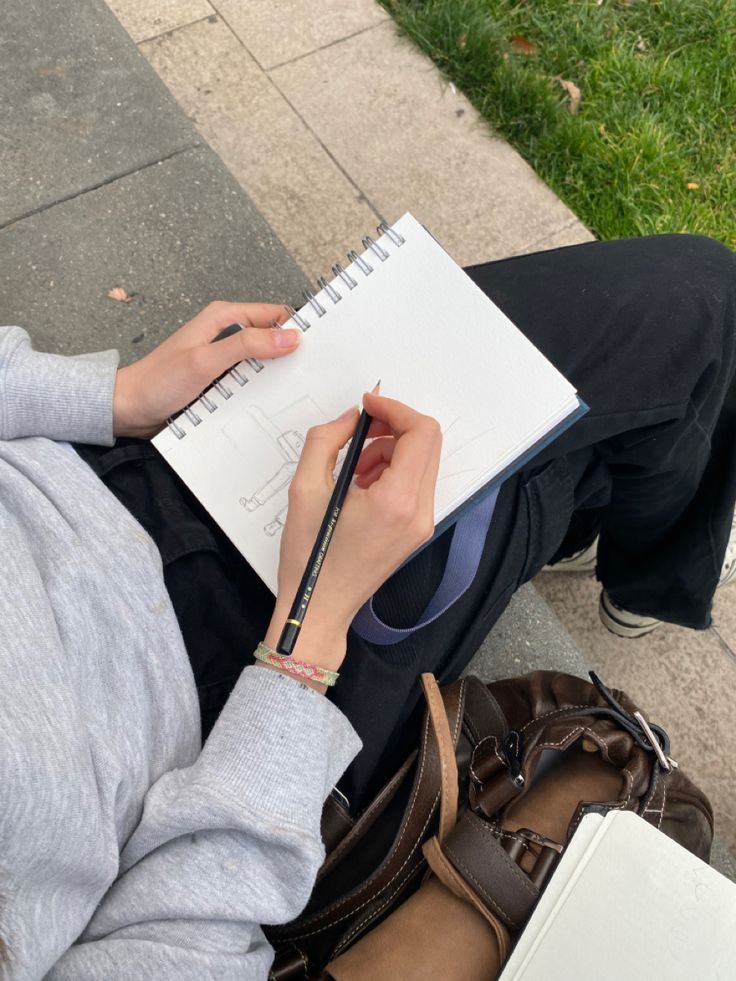
A teenager who skipped the trip to the mall sits on a park bench, her sketchbook slowly filling with the trees in front of her. Next weekend, she will be glad to go out with her friends, rested and actually wanting to be there. Missing out on some things makes room to show up fully for others.
Saying no without guilt
A no does not need a long explanation. "Thanks for thinking of me, I'm going to sit this one out" is complete. The longer the explanation, the more it starts to sound like asking for permission.
A clear, kind no is often a gift to the other person, because it lets everyone plan honestly. A reluctant yes tends to show up tired and quietly checking the time. People can usually feel the difference.
The guilt might still come. That is okay. It usually fades faster than you expect, often by the time the kettle boils.
Small ways to practice it
Keep one evening a week unplanned. It should not be scheduled self-care, just open time. Think of a couple cooking at home on a Wednesday with no recipe to follow, the radio on, chopping whatever is left in the fridge and calling it dinner.
Mute group chats on the weekend. You can catch up on Monday. The plans that really matter will still find you.
Skip the stories from the event you declined. Watching them afterward invites the old fear back for no good reason. You already made your choice. Let it stand.
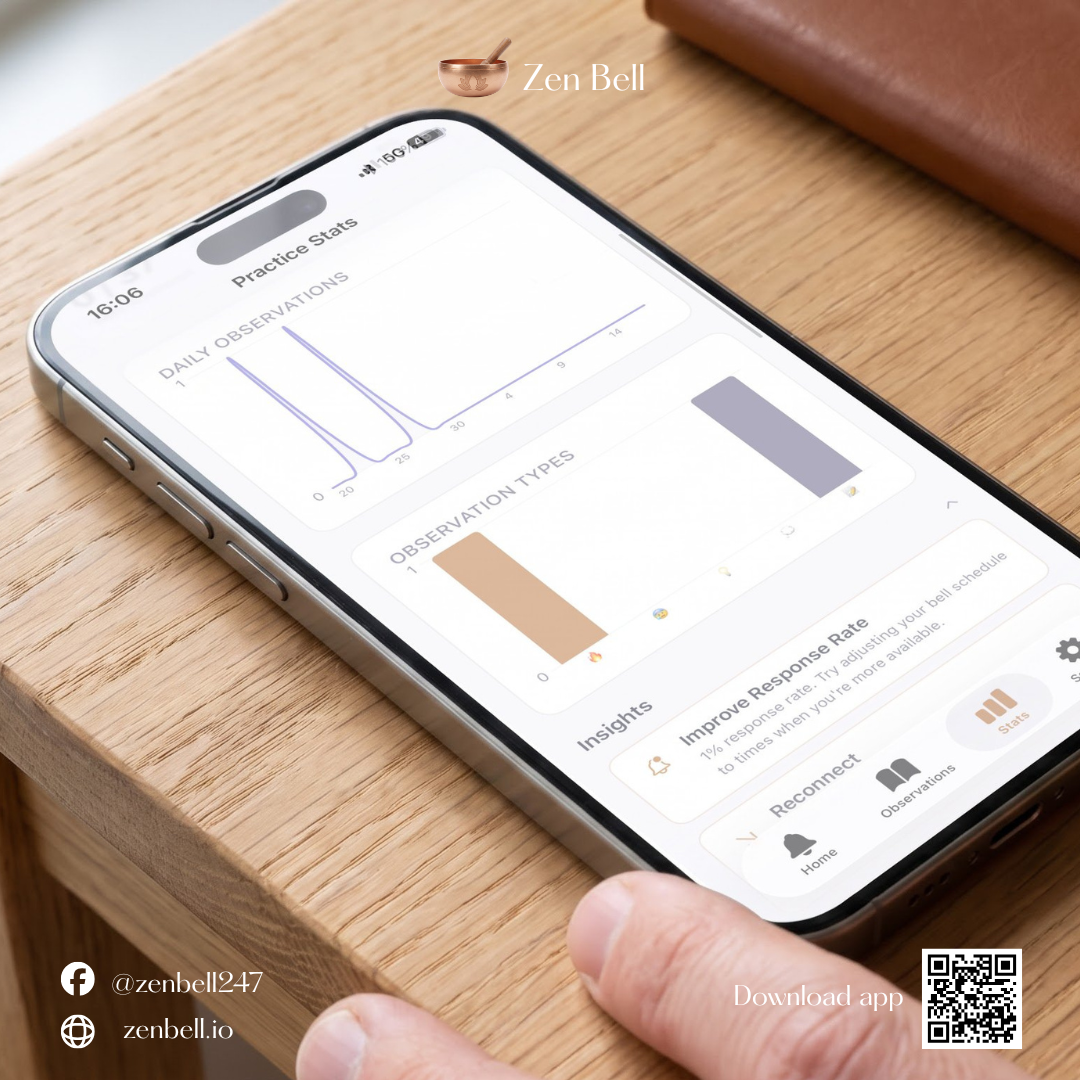
Let a gentle signal check in with you. Around midday, a soft bell from Zen Bell can become a small moment to ask yourself what you actually want from the rest of the day, before the next invitation arrives.
Back on the balcony, the phone is still face down. Somewhere across town, the rooftop is full of laughter, and that is good for them.
Here, the tea has gone cold, a chapter is finished, and the quiet belongs to you.
You did not miss the evening. You simply spent it somewhere else, in your own good company.