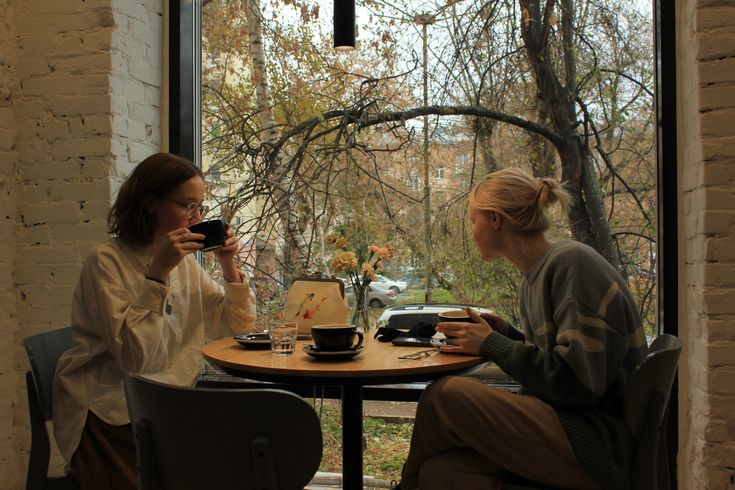
Every year around the end of September, the same messages start appearing. A colleague mentions they're doing Sober October. A friend asks if you want to join. Someone in a group chat announces they're off the beer until November.
And then comes the real question, the one people rarely say out loud: does a single month actually change anything, or is this just another internet challenge?
It's a fair thing to ask. A month is not very long, and most of us have seen enough short-lived health trends to be skeptical. This article looks at both sides honestly: what people commonly notice during an alcohol-free month, what it won't fix, and how to handle the social side without making it awkward.
What sober october actually is
The idea grew out of charity fundraising. An Australian campaign called Ocsober started in 2010, and the UK charity Macmillan Cancer Support later popularized the name with its own month-long alcohol-free challenge. Dry January, run by Alcohol Change UK, launched in 2013 and helped turn the concept into a global habit.
Today, plenty of people take part without any connection to a charity. There are no official rules either. Some people avoid alcohol entirely for 31 days, others allow one planned exception, and some simply cut back sharply.
It's also worth noting who tends to do it. Many participants aren't heavy drinkers at all. They're people who want to look at a habit that crept up quietly, often after a summer of holidays, weddings, and long evenings out.
An important safety note
Before going further, one thing needs saying clearly, because it matters more than anything else in this article.
If you drink heavily every day, stopping suddenly can be dangerous. Withdrawal from regular heavy drinking can cause serious symptoms, including seizures, and it needs medical supervision rather than willpower. Please speak with a doctor before starting an alcohol-free month.
And if you've tried to cut down before and found you couldn't, even when you wanted to, that isn't a character flaw or a lack of discipline. It's a sign that support would help, and there are people whose job it is to provide exactly that.
What people commonly notice
Experiences vary, but a few themes come up again and again.
Sleep
This is the one that surprises people most, because alcohol feels like it helps you sleep. Research reviews describe a consistent two-phase pattern: alcohol helps you fall asleep faster and deepens sleep early in the night, then disrupts the second half as it's metabolized, producing lighter sleep and more awakenings.
That's why a 3am wake-up after an evening of drinks is such a familiar experience. Many people report that this fades within the first week or two without alcohol.
Mornings and energy
With less broken sleep, mornings often feel lighter. People frequently describe waking up clearer and having steadier energy through the day, especially at the start and end of the week.
Mood
Some people notice their mood feels more even, with fewer low patches the day after drinking. This isn't universal, and it can take a couple of weeks to become noticeable.
Money and time
These two get mentioned less often, but they're the easiest to measure. Add up a month of drinks, and the number is usually larger than expected. The recovered hours are just as real: evenings that end earlier and Saturday mornings that actually exist.
What a month won't do
A month off drinking is useful, but it's not a cure-all.
It won't address why you drink in the first place. Stress, loneliness, boredom, and social habit don't disappear because the wine is gone. In fact, they often become more visible, which is uncomfortable but genuinely useful information.
It's also not a weight-loss program or a detox. Your liver handles detoxification on its own, and weight depends on far more than one month of choices.
And if you approach it purely as a challenge to survive, November can turn into a rebound. Interestingly, the research here is more encouraging than the folk wisdom: a study following 857 people through Dry January found reduced drinking six months later, and very few participants reported drinking more after their alcohol-free month. That said, the people in these studies chose to take part, which makes them a motivated group, so the results describe what's possible rather than what's guaranteed.
The real value isn't the 31 days. It's what you learn about yourself in them.
The question worth asking
Most people frame the month as "can I last 31 days?" That's a test of endurance, and it tells you almost nothing.
A better question is: when do I usually drink, and why?
To answer it, keep a note on your phone. Each time you notice the urge for a drink, jot down three things: where you are, who you're with, and how you're feeling. That's it.
By the end of the month, a pattern usually appears. Maybe it's the transition from work to home. Maybe it's specific people, or the moment the house finally goes quiet. Whatever it is, you now know something you can actually work with, whether you drink again or not.
How to get through the social parts
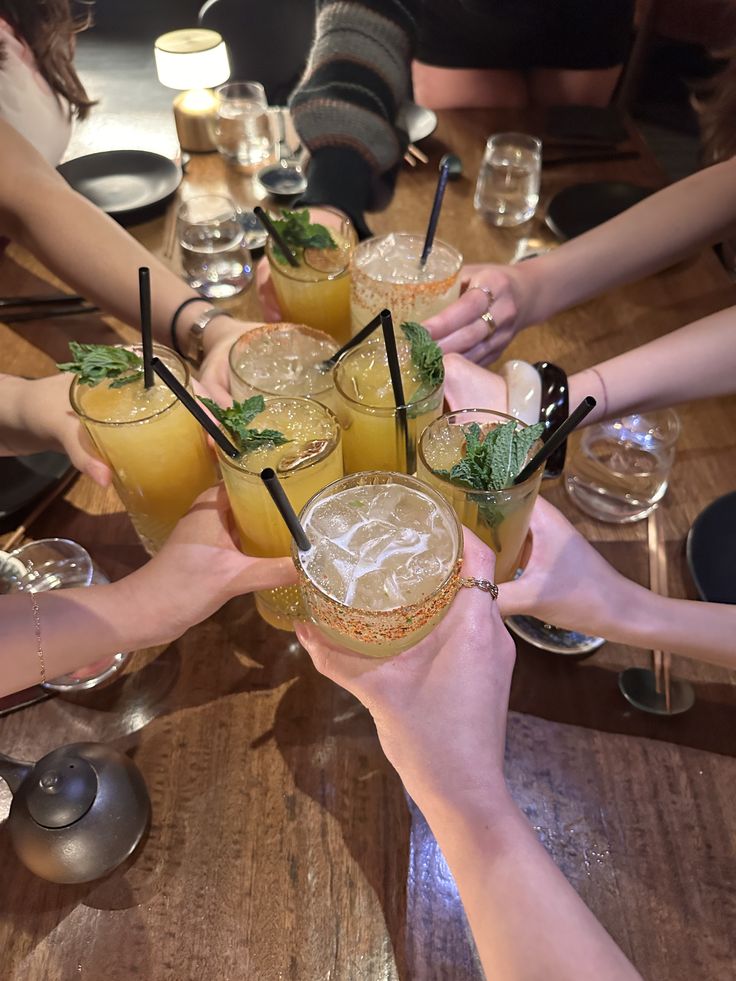
Have a short answer ready. "I'm off it this month" or "I'm driving" is enough. You don't owe anyone an explanation, and long ones invite debate.
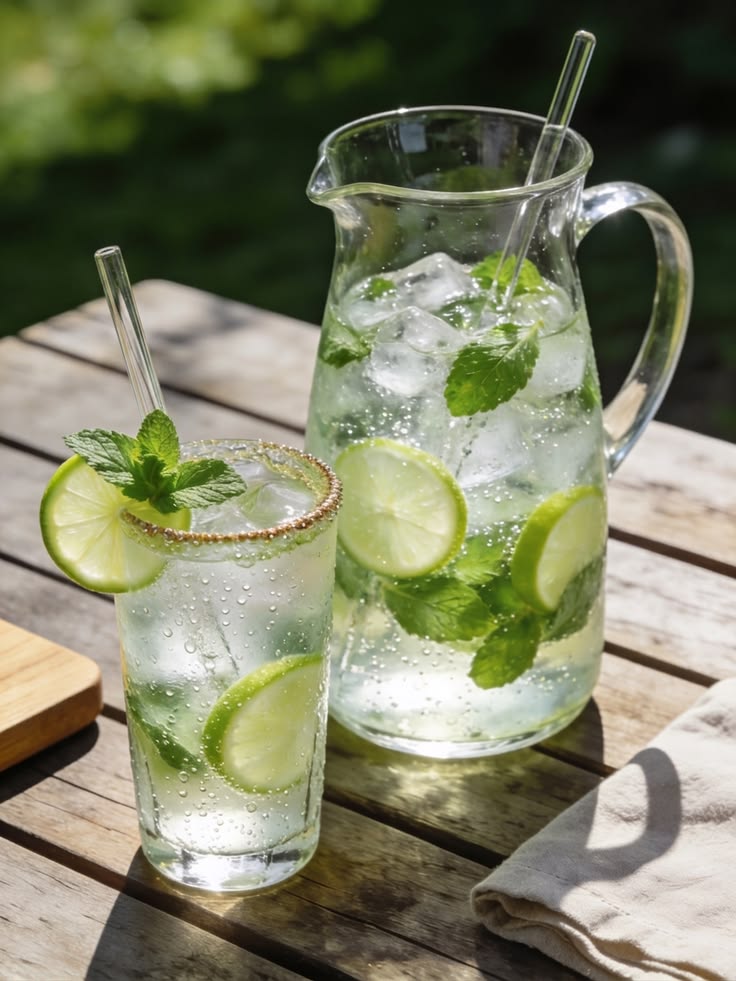
Keep a drink in your hand. Sparkling water with lime, a non-alcoholic beer, or a soft drink means nobody offers to fetch you one, and you feel less conspicuous.
Change the format where you can. Coffee in the morning, a walk, or lunch instead of drinks removes the issue entirely and often makes for better conversation anyway.
Bring someone with you. Doing it alongside a friend or partner makes the whole month noticeably easier.
And if you do have a drink somewhere along the way, carry on. One evening doesn't undo anything. In the Dry January research, even people who didn't complete the full month still reported drinking less months later.
After october
People generally land in one of three places: back to previous habits, drinking meaningfully less, or deciding to stop altogether. All three are legitimate outcomes.
If you want to keep something, keep it small and specific. No drinking on weeknights is a common one. So is not keeping alcohol at home, or having the first drink of an evening be a non-alcoholic one.
The point was never to complete a challenge. It was to understand your own habits well enough to choose them deliberately.
Before you start
A month won't change everything. But it will show you your habits clearly, and that clarity is hard to get any other way.
If you're going to try it, write down your own reason before October 1st. Not the reason your friend is doing it, or the one that sounds good online. Yours. On a difficult evening in week three, that sentence will be far more useful than any challenge hashtag.