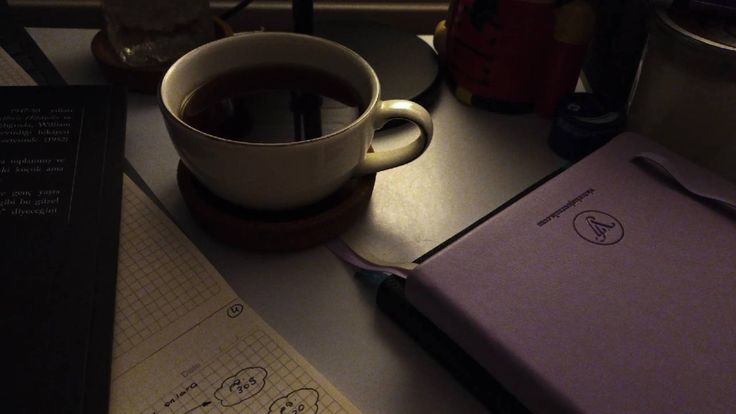
The alarm goes off at six. You open your eyes, look at the window, and it's completely black outside. Every part of your body is telling you the same thing: it is still night, go back to sleep.
A few weeks ago the same alarm felt manageable, because the sky was already light. Nothing about your discipline has changed since then. What changed is the amount of light available at the moment you wake up, and your body pays close attention to that.
This is about working with that rather than against it, so the dark half of the year costs you less of a fight every morning.
Why dark mornings feel so hard
Your body runs on an internal clock that keeps roughly to 24 hours, and light is the main signal it uses to stay lined up with the outside world. A small region of the brain takes information about light and darkness directly from your eyes and passes it on to the rest of the body.
When light fades, the body increases melatonin, the hormone associated with sleepiness. Bright morning light does the opposite, helping you feel alert and setting the timing for the night ahead.
In autumn and winter, that morning signal arrives late. If you wake at six and the sun rises at seven, you spend an hour operating without the cue your body is waiting for, so the heavy feeling lingers. The further you live from the equator, the wider that gap gets as the season goes on.

Start the night before
A dark morning is mostly decided the evening before.
Keep your bedtime reasonably steady, and if you want to move it, shift it 15 minutes at a time rather than an hour at once. Gradual changes are much easier for your body clock to follow, which we covered in more detail in Your Sleep Feels Off in Autumn.
After dinner, turn off the bright overhead lights and use lamps instead. Dimming your surroundings is one of the simplest ways to tell your body the day is ending, and it matters more as evenings get longer. A short wind-down routine like The Digital Sunset makes this easier to keep up.
Then remove decisions from your morning. Lay out your clothes, sort out breakfast, pack your bag. Nobody makes good choices in the dark at six in the morning, so make them at nine the night before.
Finally, charge your phone outside the bedroom, or at least across the room. An alarm you have to stand up for is worth a surprising amount.
The first 20 minutes
This is the one that matters most. Open the curtains as soon as you're up, switch on the brightest lights you have, and if the sky has started to lift, step outside for a few minutes. Outdoor light on an overcast morning is still far brighter than indoor lighting.
You've probably been told that snoozing wrecks your morning. The evidence is less certain than the advice suggests. In a 2024 study in the Journal of Sleep Research, 31 habitual snoozers spent 30 minutes with intermittent alarms, and the researchers found no meaningful harm to mood, sleepiness or the morning cortisol response, with slightly better performance on cognitive tests shortly after waking.
So a short snooze is unlikely to be the villain. What it doesn't do is solve a dark morning, because those extra minutes keep you in the dark. If snoozing reliably leaves you groggy, take that as your own data and get up instead.
A few stretches, a walk to the kitchen, or a minute of rolling your shoulders will do. Movement shifts you out of the horizontal state your body is still committed to.
A warm shower, a hot drink, and a room that isn't cold all make getting up feel less like a punishment. Small comforts are legitimate tools.
Give yourself the first 20 minutes without news or social feeds. Starting the day inside other people's urgency is a bad trade when you're already low on energy.
Give yourself one quiet minute first
There's a strange gap on a dark morning. You're awake, the day hasn't started, and the house is still quiet. Most of us fill it immediately with a screen and a to-do list.
Try sitting on the edge of the bed for one minute instead. Breathe slowly a few times and notice how your body actually feels before anything is asked of you. It's a gentler handover from sleep to waking than being pulled straight into the day.
Here we should be open with you: we also build Zen Bell, a small meditation bell app made by the team behind this blog. It does one thing. It rings a bell, holds a quiet stretch of time for you, and then gets out of the way. No streaks, no badges, no leaderboards, nothing to scroll. One minute at the edge of the bed before the day starts, or ten in the evening when your mind is still turning. A small bell amid big days.
What doesn't help
Sleeping in late at the weekend feels restorative and pushes your body clock further out of line, which is a large part of why Monday is so brutal.
Reaching straight for coffee instead of light is understandable, but caffeine masks the grogginess rather than addressing it. Light first, coffee second.
Deciding to wake up an hour earlier starting tomorrow almost never survives the week. Move in small steps.
And blaming yourself every morning simply adds a second problem to the first. Waking up in darkness is genuinely harder, and treating that as a character flaw makes it heavier than it needs to be.
If you work shifts or live somewhere very dark
If you work shifts, consistency is worth more than earliness. A regular schedule your body can predict beats an early one it can't.
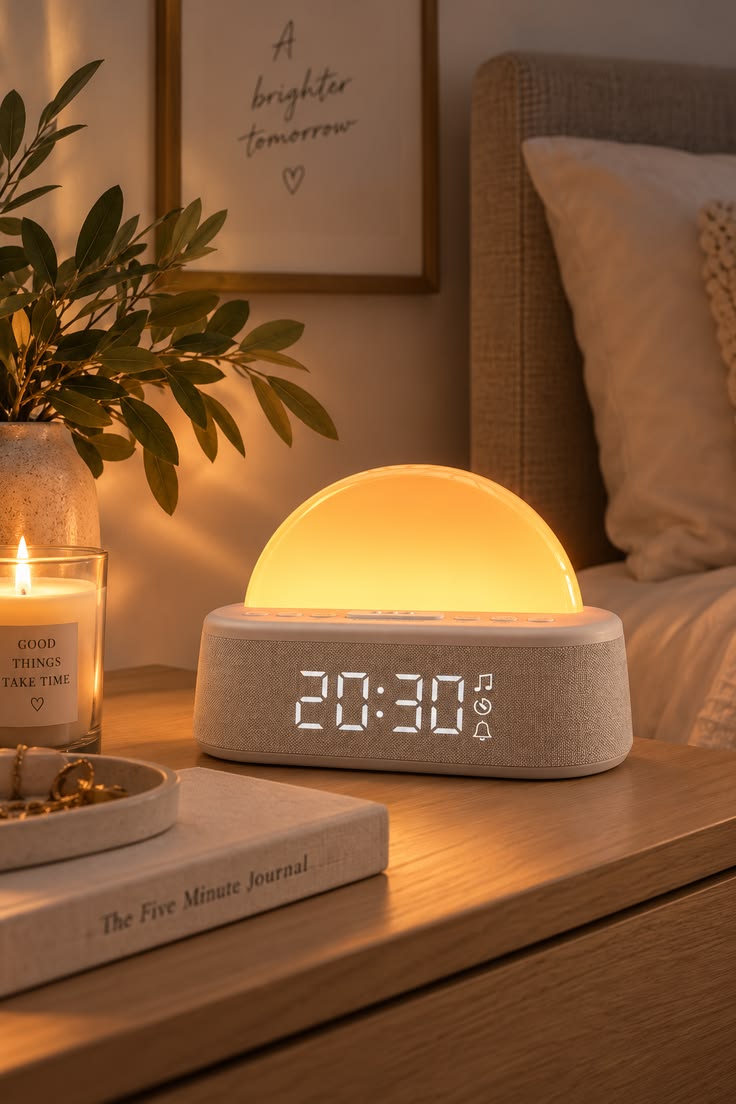
If you live at a high latitude, or your home gets very little daylight, dawn simulation lamps are a common option. They brighten gradually before your alarm, and researchers have studied them as a way to ease the grogginess that follows waking. Read up before buying one, and ask a professional first if you have an eye condition or a mental health condition.
Don't start melatonin on your own initiative either. Timing and dose matter, so that's a conversation with a doctor.
When to check with a doctor
If you're very sleepy during the day despite enough time in bed, if you snore loudly and have been told you stop breathing, or if the fatigue has lasted weeks, mention it to a doctor. Those are treatable, and no routine adjustment will fix them.
Nothing has gone wrong with your willpower. Your body is simply short of the light it uses to start the day, and that's a solvable problem rather than a personal failing.
Tomorrow morning, do one thing: open the curtains the moment you get up. Everything else can follow later.