The massage was booked three weeks ago. It sat in the calendar like a small promise: Thursday, 6 p.m., ninety minutes that belonged to no one else. Then on Thursday morning a meeting moved, a deadline slid forward, and the booking was the first thing to go. The cancellation email arrived with a polite apology and a link to reschedule.
It is a strange pattern once you notice it. The rest we plan most carefully is often the rest we give up most easily.
Maybe that is why more people are quietly turning toward a different kind of care, the kind that does not need a booking at all.

The problem with scheduled rest
There is nothing wrong with a spa day, a yoga class or a weekend away. They can be wonderful. But when rest only exists as an appointment, it has to compete with every other appointment. On a crowded day, rest rarely wins.
A meeting has other people attached to it. A deadline has consequences. A school pickup cannot be moved. Rest, by comparison, looks flexible. It seems to be the one item on the calendar that costs nothing to postpone, so it gets postponed again and again.
Travel research points to a similar shift. Hilton's 2027 Trends Report found that travelers are choosing shorter, more frequent trips that are easier to plan and fit into everyday life. Among travelers who don't feel pressure to plan the perfect trip, 28% prefer to leave room for spontaneity, compared with 18% who prefer a fixed itinerary.
If even our holidays are getting lighter and less scripted, it makes sense to ask the same of the small, ordinary rest inside a regular week.
Rest that fits into the day you already have
Unscheduled rest is not a smaller version of a spa day. It is a different thing altogether. It lasts a few seconds or a few minutes. It needs no equipment, no travel and no change of clothes. It happens right where you are.
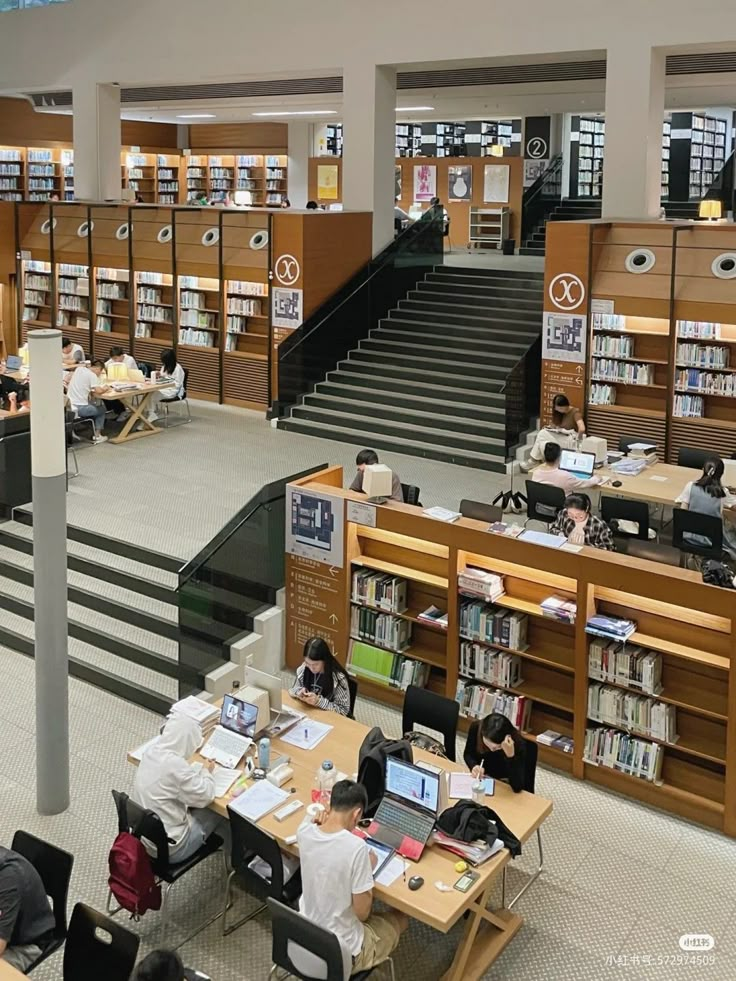
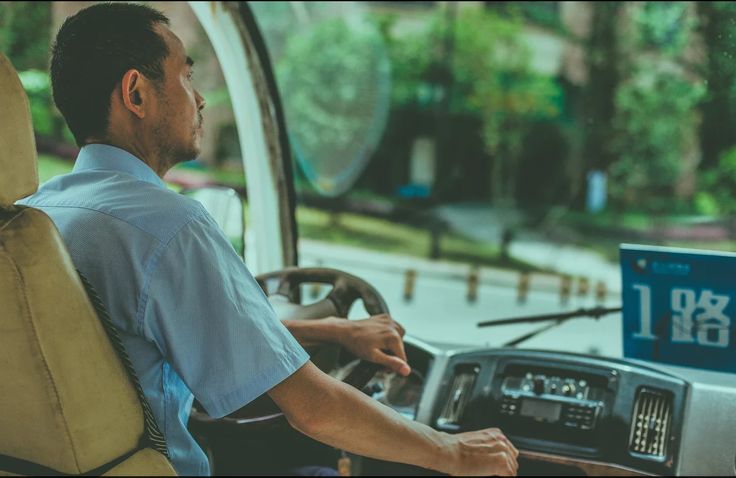
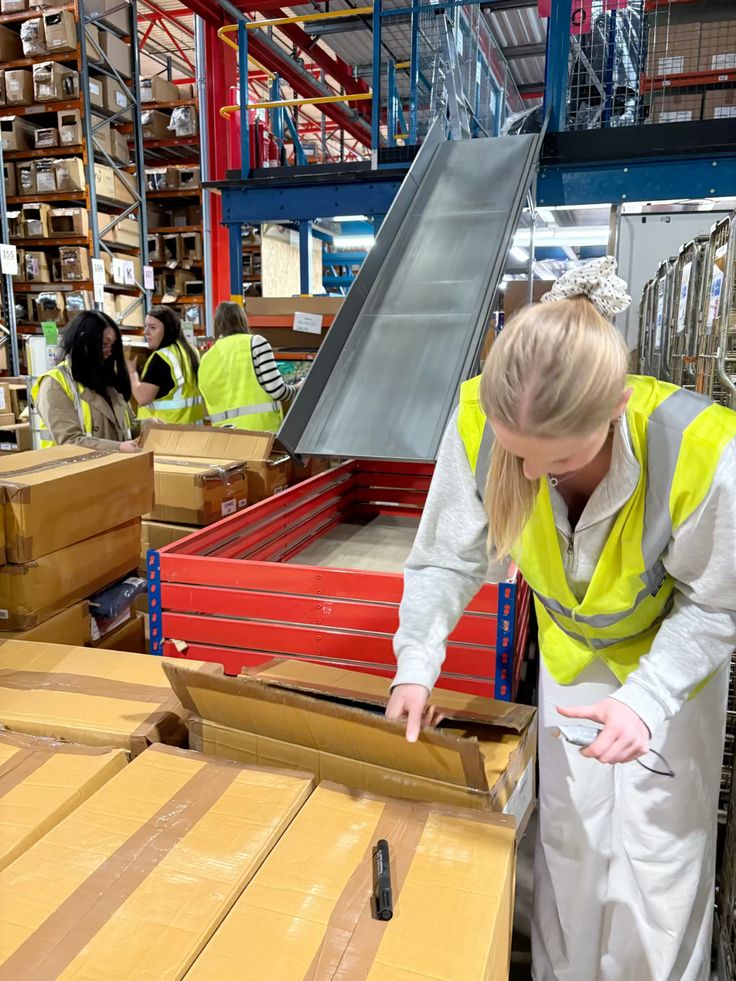
A bus driver at a long red light lets her eyes rest on the trees beyond the windshield instead of the dashboard. A grandmother finishes watering her tomatoes and stays on the garden bench a moment longer than she needs to. A warehouse worker on break steps out of the loading bay and stands in a patch of sun, coffee in hand, not scrolling. A student on the library stairs sets her bag down and looks at the sky before going back to the same chapter.
None of them planned these moments. None of them needed permission or a free afternoon. What these pauses share is simple. They do not ask for a decision, and they do not require you to "have time." They borrow a little from time you were already spending.
Six unscheduled pauses to try
Here are six small pauses to start with. Pick whichever fits your day.
At work
Stand up for a phone call. Whether you work at a desk or a dispatch counter, let the call be a reason to stretch your legs and change your view.
Look far away for 20 seconds. After you send an email, finish a delivery or close a report, rest your eyes on the farthest thing you can see. That could be a window, a horizon or the end of a long aisle.
Drink a glass of water before the next thing. Before a meeting, a shift briefing or a new batch of orders, take the time to actually taste it.
At home
Take one breath before you open the front door. Keys in hand, take one slow breath. Let the day stay outside for a moment.
Wait for the kettle without your phone. Listen to the water as it starts to rumble. That is the whole task.
Sit still for one minute after dinner. Do it before the dishes and before the next screen. Just sit with the table and whoever is around it.
None of these will change your schedule, and that is the point. They are made to slip in between the things you already do.
Letting something else remind you
Here is the honest catch. The hardest part of rest is not doing it. It is remembering to do it.
Most of us already know that a breath before the front door would feel good. We forget anyway, because the day is louder than the intention. That is why small outside cues help so much. It could be a sticky note on the kettle, a habit tied to locking the van, or a gentle sound that arrives on its own, like the singing bowl bell in Zen Bell, which rings through your day so the pause comes to you instead of waiting to be scheduled.
The reminder does not have to be clever. It just has to arrive at a moment when you would not have thought of stopping.
You do not need to book anything to take care of yourself today. There is no appointment to keep, no confirmation email and no link to reschedule.
Before today ends, choose one pause from the list above. Just one. Maybe the kettle, maybe the front door, maybe twenty seconds of looking far away. Do it once, without making a plan around it.
Then notice how little it asked of you, and how much room it quietly made.