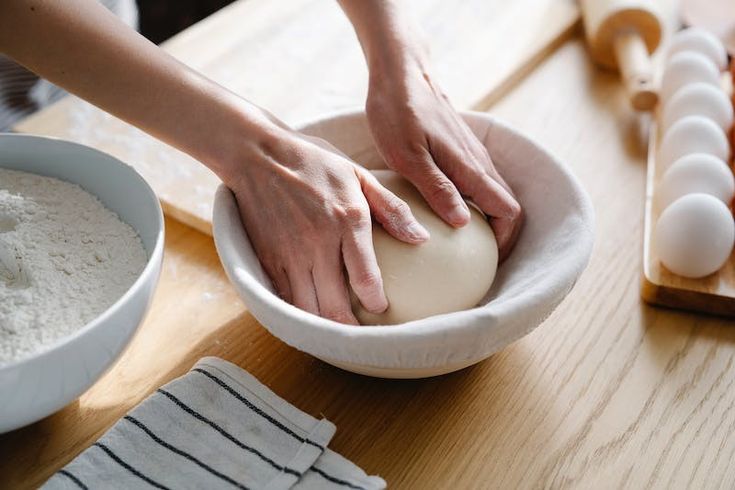
A baker presses two fingers into a mound of dough and knows, instantly, that it needs four more minutes. She couldn't explain exactly how she knows. The dough isn't marked with instructions. There's no timer running in her head. Her hands simply know, the way they've known after ten thousand other mornings of the same small press, the same small judgment, made faster than thought.
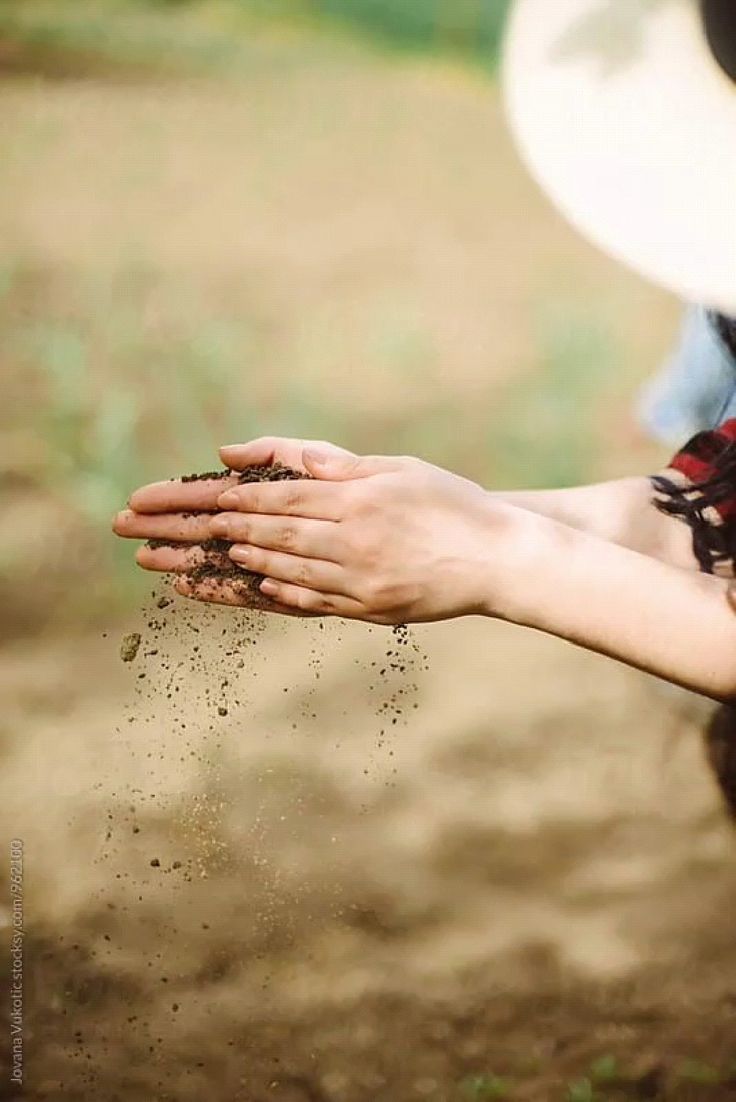
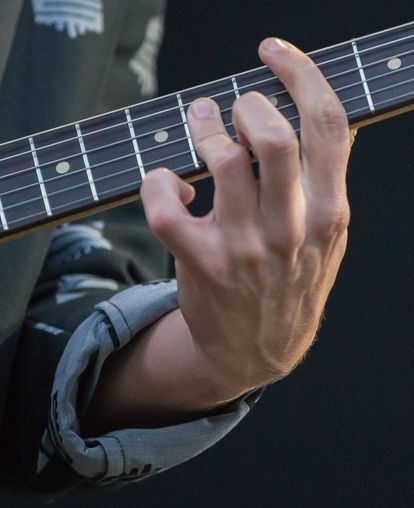
This isn't unique to baking. A gardener knows the weight of soil that has enough water in it, without measuring anything. A guitarist's fingers find a chord before conscious memory could name it. A parent recognizes a child's cry from another room and already knows, before any words are exchanged, roughly what kind of cry it is. None of this knowledge lives where we usually look for knowledge. It lives somewhere lower down, in the hands, in the body, built entirely out of repetition rather than explanation.
Knowledge that was never written down
Most of what gets called expertise eventually collapses into something too fast to describe. Ask an experienced cook exactly when to pull something off the heat and you'll often get a shrug before you get an answer, not because they don't know, but because the knowing happens faster than the explaining. The hand already moved. The mind is only now catching up enough to narrate it.
This is a strange kind of intelligence to sit with, because it resists the instinct to write it down, systematize it, or teach it in a single clean sentence. A recipe can tell you four minutes. It can't fully transmit the particular give of dough at exactly the right moment, the thing the baker's fingers know and her mouth can only approximate.
Why repetition builds something words can't
There's a reason apprenticeships have always involved standing next to someone and doing the thing, over and over, rather than simply being told how. Some knowledge only forms through repetition itself, thousands of small adjustments accumulating into a kind of fluency that never passes through the part of the brain responsible for sentences. You can explain the theory of riding a bicycle in five minutes. Actually balancing on one takes considerably longer, and no explanation shortens that time by much.
This is easy to undervalue in a world that mostly rewards things you can write in a report or say out loud in a meeting. But the hands hold a kind of competence that was never meant to be spoken, built entirely through doing the same small thing enough times that the body stopped needing permission from the mind to do it well.
What this says about the small things we keep doing
There's a quiet comfort in this, for anyone doing something small and repetitive without much to show for it on a given day. The tenth time you do something is different from the first, even if nothing about the outward result looks any different yet. Something is accumulating below the surface, in exactly the part of you that never bothers to announce its progress.
This is, in its own way, a reason not to judge a practice only by whether today's version felt impressive. The hands are learning on a much longer timeline than the mind usually has the patience to notice, and most of what they're learning will only ever show up as a kind of ease, arriving quietly, long after the day it actually started.
A different kind of understanding
Not everything worth knowing can be said out loud. Some of it only exists in the fingers, in the timing of a press or a pull or a turn, built slowly, without ceremony, out of nothing more than doing the same small thing again and again until the body stopped needing to be told.