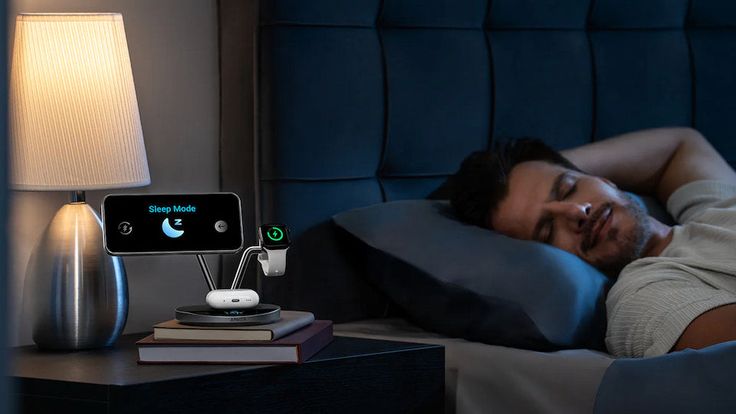
You wake up a few minutes before the alarm. The light through the curtain is soft, your shoulders feel loose, and for a moment the day seems full of promise. Then you reach for your phone, open the sleep app, and there it is: 62.
Suddenly you feel tired. Nothing in your body changed in those three seconds. Only the number did, and it quietly rewrote how you thought you felt.
Many people know this moment. It is worth looking at how measuring ourselves, something meant to help, can turn into one more source of pressure, and why a growing number of people are gently stepping back.
Everything has a score now
Think about how much of an ordinary day can be counted. Steps before lunch. Minutes of deep sleep. Hours spent standing. Glasses of water. Your heart rate during a work call. Days in a row without missing a habit. Each one comes with a ring to close, a target to hit, a small graph that goes up or down.
On their own, many of these tools are genuinely useful. A step count can nudge you to take the long way home. A reminder can get you to drink water on a busy afternoon. But together they add up to a constant hum of evaluation. The day starts to feel like a report card being filled in by the hour.
The strangest part is that rest has a grade now too. A nap can be scored. A quiet evening can be logged. Recovery gets a rating. Rest used to be the time off from performing. Now it can feel like one more thing to perform well.
The backlash is real
This feeling is not just personal. The Global Wellness Summit's Future of Wellness 2026 report named "The Over-Optimization Backlash" as a framing trend. The report points to years of tracking each step and scoring every sleep. It describes wellness shifting toward sensation over scores, with wellbeing measured more by how alive people feel than by their numbers.
Sleep is one of the clearest examples. In a roundup of 2026 trends from The Everygirl, one expert said sleep optimization this year is less about tracking every single metric and more about supporting the body's natural rhythms and helping it rest well. Another expert in the same piece added that sleep tracking is not going away. The real question, they said, is how to use the information in a way that actually helps people feel better.
That balance matters. None of this means tracking is bad. For many people, data helps them spot patterns, stay motivated or start a useful conversation with a professional. The shift is about proportion. The number should serve you, and not the other way around.
When measuring replaces noticing
Picture a fisherman on a dock at dawn. He looks at the water, the color of the sky, the way the wind is moving the ropes against the posts. He does not need an app to tell him whether it is a good morning to go out. Years of paying attention have taught him to read it.
Noticing is a skill. Like any skill, it can fade when we hand it off. If a number always tells us how we slept, we may slowly stop asking ourselves. We end up knowing our score but losing touch with our own sense of how we are.
The body still speaks. We have just gotten used to listening to the screen first.
Stepping back without quitting
The good news is that you don't have to throw out your watch or delete every app. Stepping back can be small. Choose one thing to stop measuring for a while, and see what you notice instead.
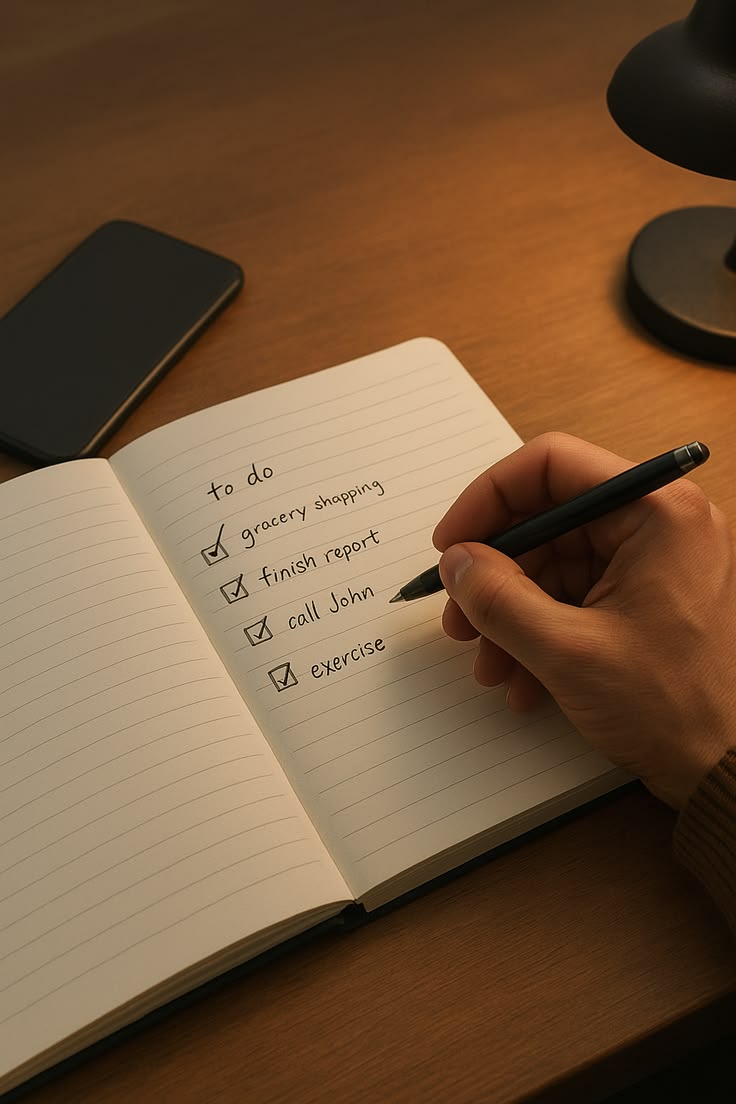
Turn off your sleep score for a week. When you wake up, ask yourself how you feel before anything else gives you an answer. If it helps, write one word in a notebook. Rested. Groggy. Fine. Your word counts as much as any number.
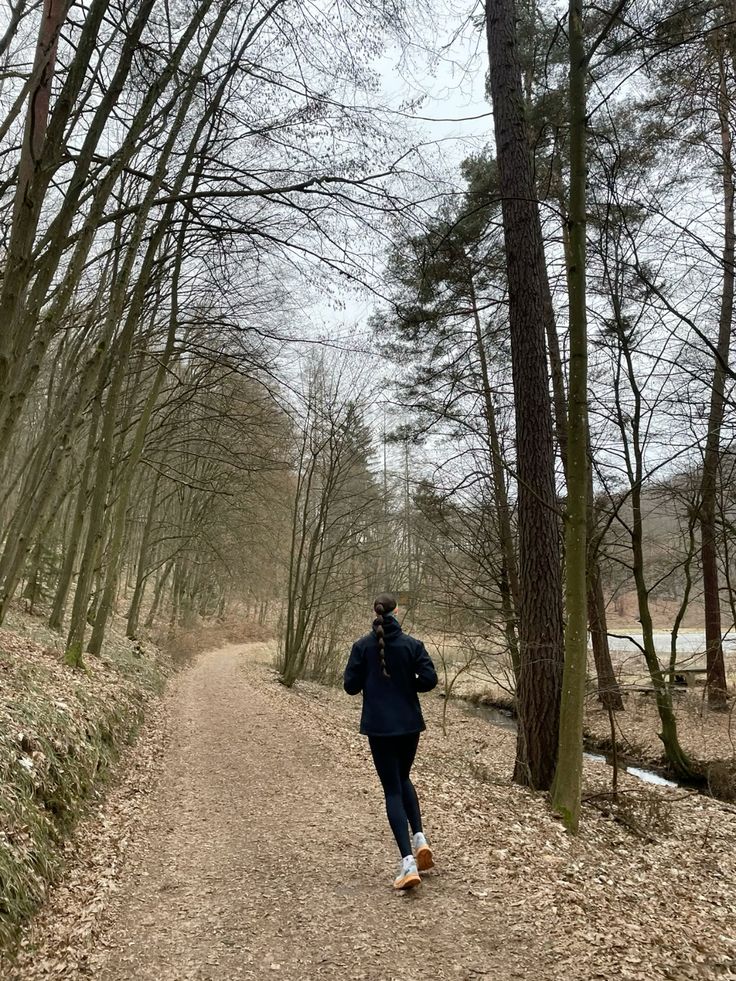
Go for a walk without counting steps. Leave the tracker on the nightstand, or simply don't check it. A runner in the park can pace herself by her breath and the shade of the trees instead of a split time. Notice the route, not the total.
Keep a habit without counting the days. Many apps turn habits into streaks, and that can make a single missed day feel like failure. Try keeping one habit simply because it helps you. If you miss a day, begin again the next morning, with nothing lost and nothing to reset.
Some people go further and cross out the daily checklist altogether, replacing it with a single question at the end of the day: how did today feel? It is a quieter kind of record, and often a more honest one.
Stepping back like this is not rejecting information. It is making room for your own voice to sit alongside it.
Go back to that morning, just before you reached for the phone. The light was soft. Your shoulders felt loose. You felt, for a moment, like the day could go well.
That feeling was information too. It was real, and it was yours.
Maybe tomorrow you'll let it stand a little longer before checking anything. Your body has been telling you how you are all along. It just speaks more softly than a number.