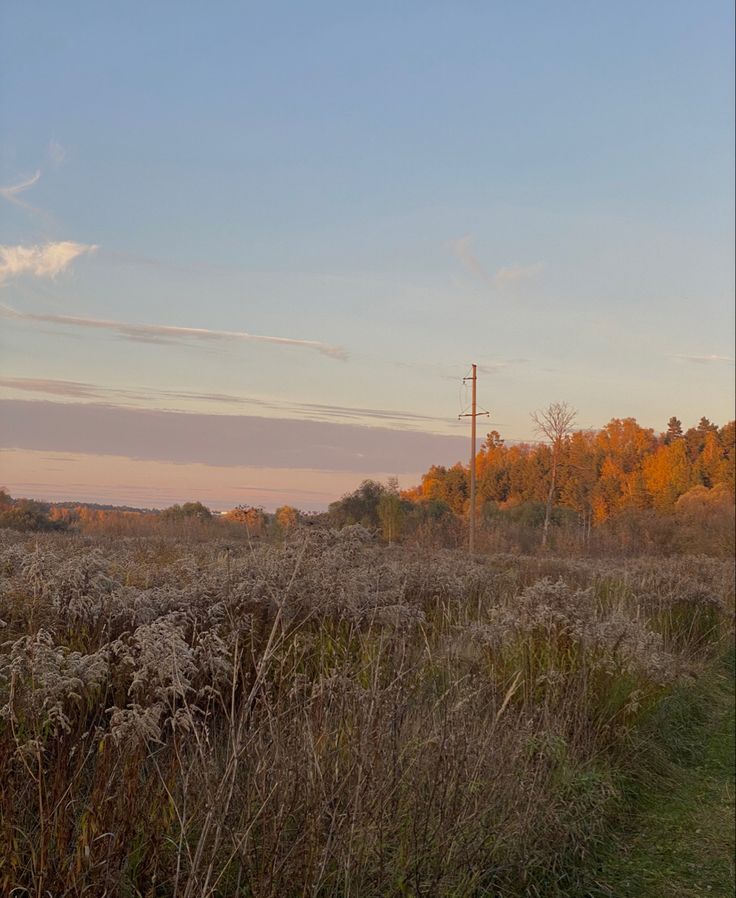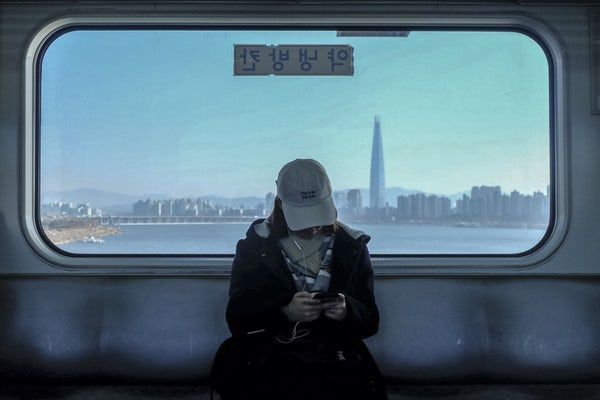
You push open the door at five o'clock, ready for the walk to the tram, and the sky is already dark. The streetlights are on and the shop windows are glowing. A week ago, this same walk happened in daylight. Now it feels as if someone took a piece of the day while you weren't looking.
For many people in the northern half of the world, this is a familiar autumn moment. It is worth looking at how changing light quietly shifts the rhythm of a day, and at a few small ways to keep that rhythm feeling like your own.
The clocks change, and so do we
This year, clocks in most of Europe go back one hour on Sunday, October 25. In most of the United States and Canada, the change comes a week later, on Sunday, November 1.
On paper, it is just one hour, and plenty of people enjoy the extra hour in bed that first Sunday. But the change is not only about the clock. The morning commute suddenly has light again, while the trip home slips into darkness. Dinner, homework and the evening walk with the dog all happen at the same clock time, but under a different sky.
The whole day shifts, not just one hour. Familiar routines start to feel slightly out of place, like furniture moved a few centimeters to the left.
Why darker evenings feel shorter
There is a reason this feeling goes deeper than the weather. Our bodies keep time with an internal clock. According to the Society for Research on Biological Rhythms, a master clock in the brain receives information about light and darkness directly from the eyes. It uses that information to keep our daily rhythms in step with the light and dark outside.
The timing of light matters too. Researchers note that early morning light tends to shift the body's clock earlier, while evening light tends to shift it later.
So when the clocks change overnight, the body doesn't follow right away. As a summary of guidance from the U.S. National Institutes of Health puts it, our biological clock needs time to adjust after the clocks go back or forward.
What this suggests, gently, is simple. The evening may feel shorter partly because light, the body's main signal for "day," leaves earlier than our routines do. The hours are the same. The cue is different. Nothing is wrong. We are simply adjusting.
Small anchors for shorter days
When the light is changing, it helps to have a few things that stay the same.
Step outside while the sun is still up. Take a few minutes around midday. Walk to buy lunch, drink your coffee on the step outside, or stand by a window that faces the street. A baker who starts work long before sunrise might take his break at the shop door, just as the morning light finally reaches the pavement. This is not a target to hit. It is simply a chance to meet the daylight while it is there.
Keep one fixed point in your day. It could be lunch at the same time, a cup of tea at four, or a short walk after dinner whatever the sky looks like. When the light moves, one steady point helps the day keep its shape.
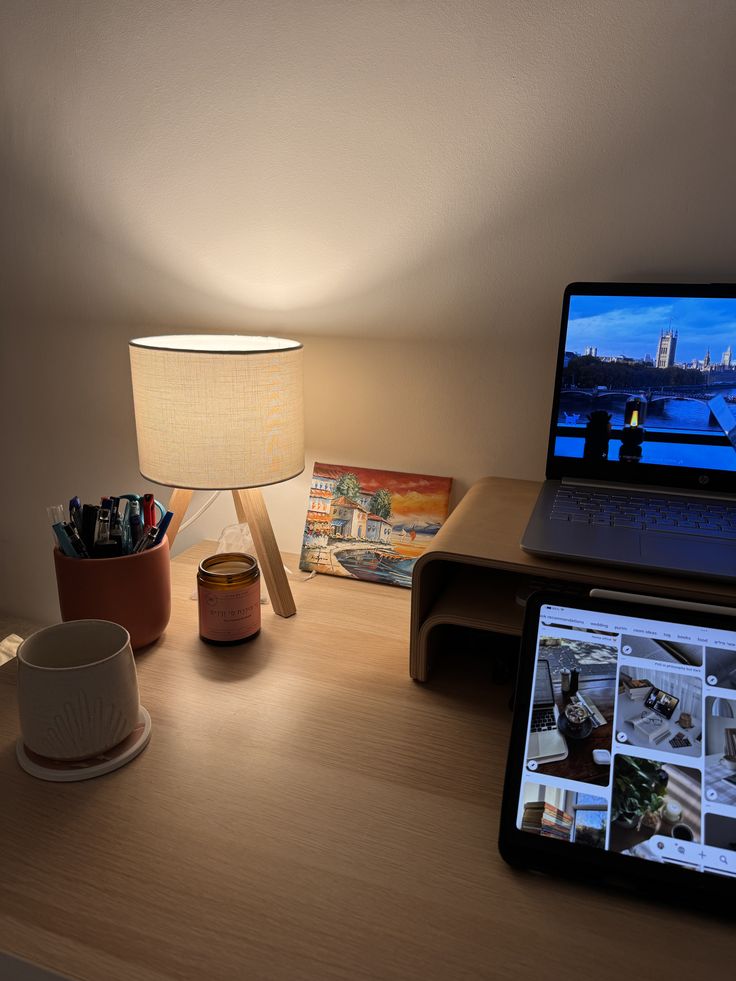
Choose warm lamps when you get home. Picture a teenager doing homework under a small desk lamp, in a soft pool of light instead of the glare of the ceiling light or a phone screen. A warm lamp tells the room that evening has started, rather than stretching the workday into the night.
Let a sound mark the time. Light is not the only thing that can mark the hours. Sound can do it too. A gentle singing bowl bell from Zen Bell, set to ring at the same moments each day, sounds just the same on a bright July afternoon as on a dark November evening. It is a small anchor that does not depend on the sky.
A different kind of season
Darker evenings are partly a loss, and it is fine to say so. Most of us miss the long light of summer.
But the season also brings something of its own. A farmer finishing in the field knows the year has its own pace. The light goes earlier each week, the work slows, and the evenings move indoors. Nothing has failed. The rhythm has simply changed.
Shorter days can be a quiet reason to slow down a little. A lamp switched on early. A pot of soup on the stove. A phone call you kept meaning to make. A book that has waited since spring.
Back at the door at five o'clock, the sky is dark. But the evening ahead is still long, and it is still yours.