It has been a long day. You open your phone, type “relaxing sounds,” and the options pour in. Rain on a tin roof. Ocean waves. Brown noise. 432 Hz. Binaural beats. A crackling fire. Every thumbnail promises calm. So where do you even start?
The honest answer is less dramatic than the thumbnails. Here are seven of the most popular kinds of sound people reach for, what each one is like, what the research suggests, and how to find the one that works for you.
First, there’s no single “right” sound
Before the list, one idea is worth keeping in mind. The same sound can soothe one person and irritate another. The rain that lulls you to sleep might keep your partner awake.
A 2017 study from Brighton and Sussex Medical School showed this in an interesting way. The participants who seemed most stressed at the start showed the greatest bodily relaxation when listening to natural sounds. But those who were already relaxed showed a slight increase in stress when listening to natural sounds compared with artificial ones.
Even in a small lab study, the effect depended on who was listening. Keep that in mind as you read through the list.

Seven sounds worth trying
1. Nature Sounds: Rain, Waves, Wind in Trees
This is the category most people reach for first. A fisherman at the end of his shift leans on the pier rail and listens to the waves against the posts. He doesn’t need an app for that.
The same 2017 study gives some insight into why. It found an increase in “rest and digest” nervous system activity, which is linked to bodily relaxation, when people listened to natural sounds rather than artificial ones. The study was small, though. It involved 17 healthy adults, whose brain activity was measured with MRI while they listened.
Good for: when you want to feel, even briefly, as if you have stepped outside.
2. Brown and pink noise
These are deep, steady sounds, a bit like a distant waterfall or heavy rain. Brown noise is lower and rumblier than pink noise. Most of what people say about them comes from personal experience, and little research has compared them specifically for relaxation.
Good for: covering up background noise, such as a neighbour’s TV or traffic outside. You can read more about the different “colors” of noise in our post on white noise.
3. Slow music
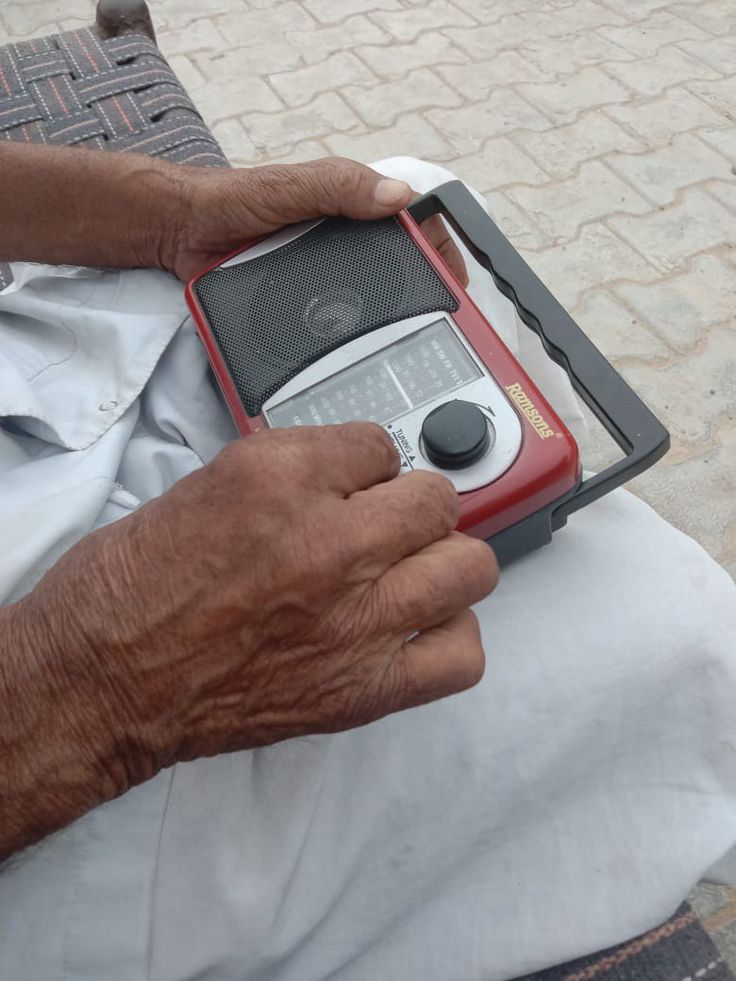
Slow music has a gentle tempo, simple melodies and few or no lyrics. Picture an old man in his kitchen in the evening, the radio tuned low to the same quiet station he has listened to for years. What seems to matter most is that the music is calm and that you actually like it. A slow song you dislike is unlikely to help much.
Good for: winding down after a busy day, especially during dinner or the hour before bed.
4. Sustained Tones: Singing bowls and gongs
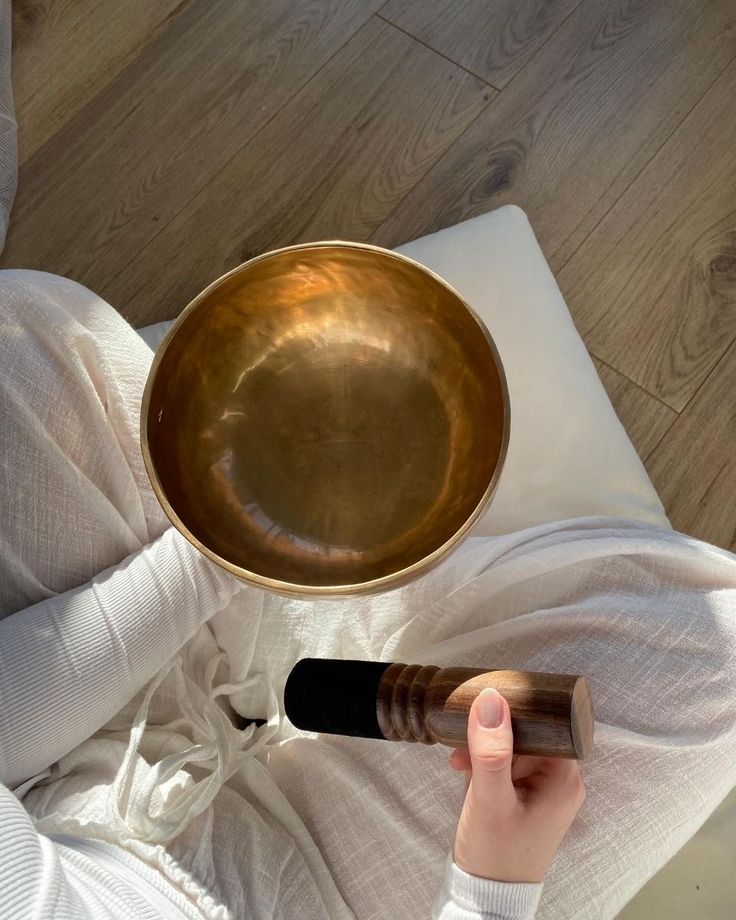
A singing bowl is struck once. The sound blooms into a soft shimmer of overtones and then fades slowly, until the room is quiet again. Unlike most of the sounds on this list, it isn’t meant to play for an hour. It is a single sound with a clear beginning and a natural end.
Research here is still limited. A 2020 systematic review found only four peer-reviewed studies on the health effects of singing bowls. Because there were so few studies and a risk of methodological bias, the authors said they could not recommend singing bowl therapies yet, and called for more robust research. So it is best to enjoy a singing bowl as a sound, not as a treatment.
This is also the sound we chose for Zen Bell. Instead of playing for an hour, a single singing bowl tone rings at moments you choose during the day, then fades and gives the quiet back to you. It works less like a soundtrack and more like a small pause.
Good for: when you want a brief moment to stop, without committing to a whole track.
5. Music tuned to 432 Hz
Most modern music is tuned so that the note A sits at 440 Hz. Music tuned to 432 Hz is slightly lower. A 2025 trial in cancer patients compared sound sessions tuned to 432 Hz and 443 Hz. Both significantly lowered heart rate, and the drop was a little larger at 432 Hz. For other measures, however, the effects were not significantly different between the two tunings.
Good for: if you enjoy what many describe as a warmer tone. Still, the piece of music you choose matters more than the number. We look at this more closely in our post on sound frequencies.
6. Binaural beats
With headphones on, each ear hears a slightly different tone, and the brain perceives a pulsing beat between them. You need headphones for this to work. A 2023 review on memory and attention found conflicting results across studies and called for more rigorous research. Another 2023 study, in which 1,000 people completed challenging tasks at home, found that listening to binaural beats significantly worsened performance on those tasks.
Good for: if you are curious and want to try them with modest expectations. It may be better to avoid them while you are working on something demanding.
7. Familiar everyday sounds
The hum of a fan. The click and soft hiss of the rice cooker. Traffic far away beyond the window. A neighbour’s wind chime. There is no research section for this one, only experience. Sometimes the “right” sound is one you already know well.
Good for: when you want comfort, not novelty.
Sounds that usually don’t help
Some sounds tend to work against relaxation. These include sudden, shrill or very loud noises, notification chimes cutting through your rain track, and ads interrupting a free playlist halfway through. Two small fixes go a long way: turn on Do Not Disturb, and keep the volume at a comfortable, moderate level.
How to find your sound
Try each kind of sound for a few minutes and pay attention to your body. Do your shoulders drop? Does your breathing slow down? Or does your jaw tighten? Your body will often tell you before your mind does.
Keep the volume comfortable. And you don’t need to pick one sound for everything. Brown noise on the train, slow music at dinner and a single tone between tasks can all have a place in the same day. Think of these as suggestions to explore, not a program to follow.
Back to that search bar, with a dozen tabs of rain and waves open at once.
Maybe close most of them. Pick one, play it softly, and notice whether you feel like stopping to listen. That small pull to listen is probably the best sign you have found yours.
The sound that helps you relax is rarely the one with the most views. It is the one you are glad to hear.