At the end of a twelve-hour shift, a nurse finds the cup of water she poured at seven this morning. It is still on the counter by the medication cart. It is half full, gone warm and a little flat. She drinks it standing up, in three long swallows, before she starts her handover notes.
She did not forget it. She just never reached a moment when stopping was possible. There was always another call light, another chart, another family waiting for news.
We talk a lot about rest these days. It is worth asking who most of that advice is written for, and who quietly gets left outside it.
Rest advice has a default reader
Most guidance about rest sounds sensible because it is sensible, for a certain kind of day. Stand up and stretch every hour. Take a five-minute walk between meetings. Step away from your screen at lunch. Block time on your calendar to recharge.
Read those lines again and picture who is hearing them. It is someone with a desk, a screen, a calendar they control, and a door they can walk out of without asking anyone. That reader is real, and the advice genuinely helps them. Desk work has its own kind of strain, and small breaks make a difference.
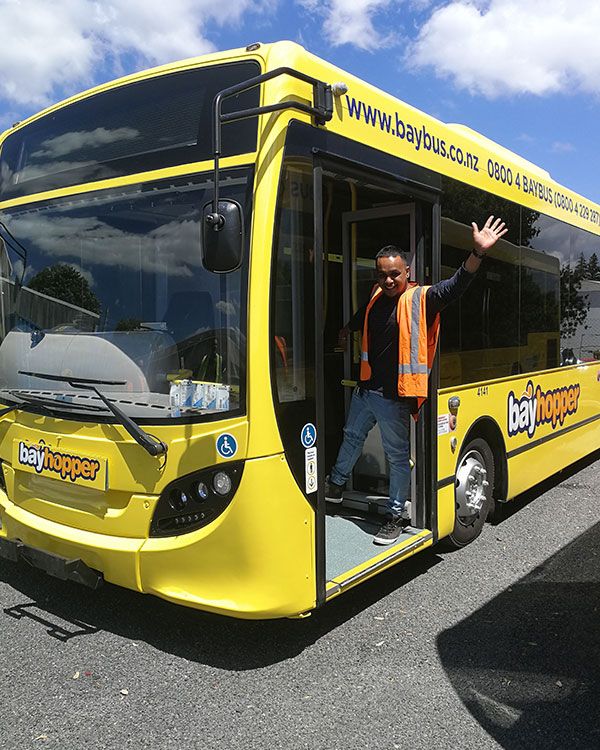
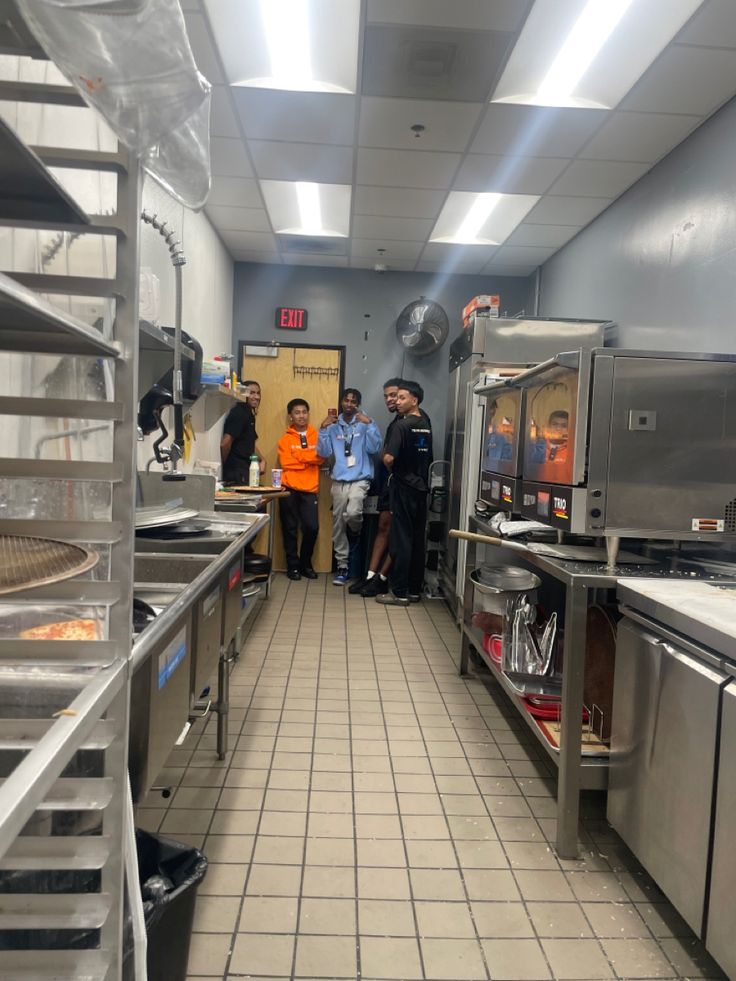
But the advice carries a quiet assumption: that your time is yours to arrange. An electrician halfway up a ladder in a client's hallway can't step away for five minutes until the circuit is safe. A bus driver's day is set by a timetable printed months ago. During a Friday dinner rush, a line cook's tickets do not pause because someone needs a breath.
None of this makes the popular advice wrong. It just means it was written with a default reader in mind, and a great many people do not fit that template. When rest is described only in the language of the office, everyone else has to translate it on their own.

Who Is allowed to be seen resting
There is another layer, and it is harder to name. In many jobs, resting is not only about time. It is about being seen.
A manager leaning back in a chair with a coffee looks like someone thinking. A cashier leaning on the counter during a quiet minute can look like someone slacking. A nurse who sits down at the station might worry about how it looks to a passing family. The pause is the same length each time. What changes is how people read it.
In a lot of service and frontline work, visible stillness carries a small risk. So people learn to rest in ways that do not look like resting. They refold towels that are already folded. They wipe a clean surface. They check a phone while standing so it looks like they are on call. The body slows down, but the posture stays busy.
What this suggests is simple and a little uncomfortable. The permission to stop often depends less on how tired someone is and more on where they stand in a workplace. Everyone has the need. Not everyone has the permission.
This is not a story about one profession being harder than another, or about people worn down beyond repair. Most of the nurses, drivers and cooks you meet are capable, funny, and very good at what they do. It is a reminder that the freedom to pause is unevenly shared, and that we rarely notice it when we happen to have it.
The breaks people make for themselves
And yet, people rest. They always have. They just do it in the gaps.
A nurse takes one slow breath in the elevator between floors while the doors shut out the noise for twelve seconds. An electrician sits in the van with the engine off before the next job, hands on the wheel, not checking anything. A cook steps out the back door into the cool air by the bins and looks up at the sky for one song on the kitchen radio. A driver at the end of the line rolls her shoulders while the bus idles at the terminal.
At the end of the day, many people sit for half a minute in a parked car before going inside. Nothing is wrong at home. They just want to arrive as themselves and not as the shift.
These moments are short, and they almost never count as rest. They do not show up in a wellness article or a break schedule. But they are real pauses, chosen on purpose, and often taken with real skill. People find them the way water finds a crack in stone.
Rest has not disappeared from these working lives. It has gone quiet. It has become invisible, tucked into elevators and parking lots and back doors, where nobody needs to approve it.
There is something hopeful in that. The need to stop is stubborn. It finds its way through.
A better question
So maybe the question we usually ask is slightly off.
"Why don't you take more breaks?" puts all the weight on the person. It assumes the break was there and they just did not reach for it.
A better question might be: does this place let anyone stop? Is there a chair someone can actually sit in? Is there a minute that belongs to no one? Does a quiet pause read as care or as idleness?
Those are questions for workplaces, and for all of us who move through them as customers, colleagues and managers. They are also gentler questions. They leave room for the nurse, the driver, the cook and the person at the desk all at once.
Think again about that cup of water. It was poured at seven and finished at seven, after twelve hours waiting on a countertop.
It was never really about thirst. It was about a day with no gaps in it, and a person who kept going anyway. Tomorrow, somewhere, another cup will be poured at the start of another long shift.
The next time we notice someone pausing, leaning on a counter, sitting in a parked car, or standing still for one breath by a back door, we can let it be what it is. It is not laziness or a lapse. It is a person taking back a moment that was theirs all along.