
The elevator is on the ninth floor and you are on the ground. Thirty seconds, maybe forty. Look around the lobby and nearly every hand has already found its way to a phone.
Most people are not reading anything in particular. They open an app, scroll a little, close it again. The point is not what is on the screen. The point is not having to just stand there.
It is such an ordinary habit that we rarely question it. But it is worth asking why a few empty seconds have started to feel so uncomfortable, and what quietly slips away when we fill them so fast.
The experiment that surprised researchers
In 2014, psychologist Timothy Wilson and his colleagues published a paper in Science built on a simple request: sit alone in a room and keep yourself company with your own thoughts. The team at the University of Virginia ran 11 studies on different groups of recruits to see how pleasant people found it to disengage from the outside world. Across the studies, many participants found it harder and less enjoyable than expected.
Then came the result that made headlines. After excluding a minority who said they enjoyed the sensation of a mild electric shock, the researchers invited the rest to entertain themselves with their thoughts for 15 minutes, with the option to press a button and shock themselves. These were people who had earlier said they would pay to avoid it. Even so, 67 per cent of the men shocked themselves at least once during that time, as did 25 per cent of the women.
It is tempting to turn this into a joke about how terrible we are at sitting still. But the study is worth reading more gently. The participants were mostly university students, and the setting was a bare room with nothing else to do. Interestingly, the researchers said the finding had nothing to do with distractions from technology. Wilson suggested something kinder: when people say they enjoy thinking, they are often doing something else at the same time, like walking, driving or exercising. The mind, in his view, likes to be gently occupied. It is complete emptiness that feels strange.
Boredom used to do a job
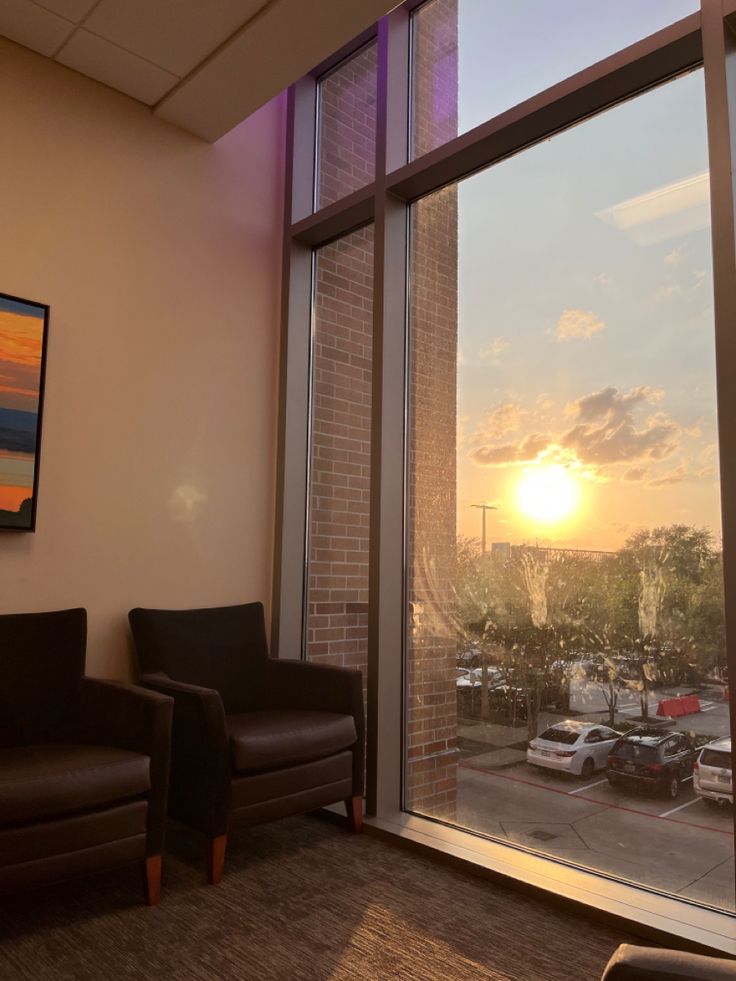
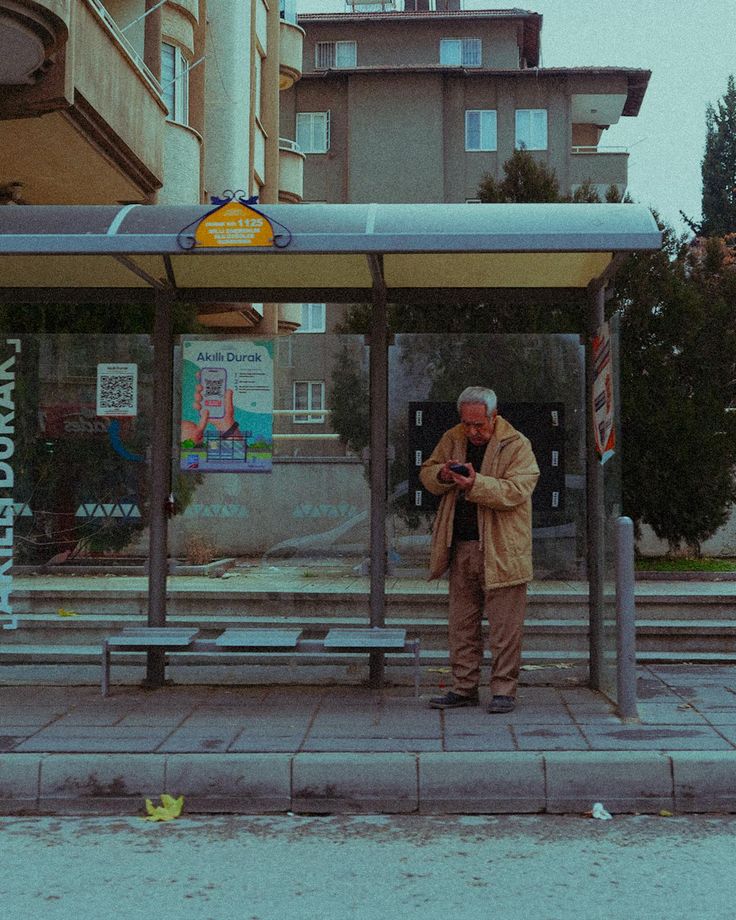
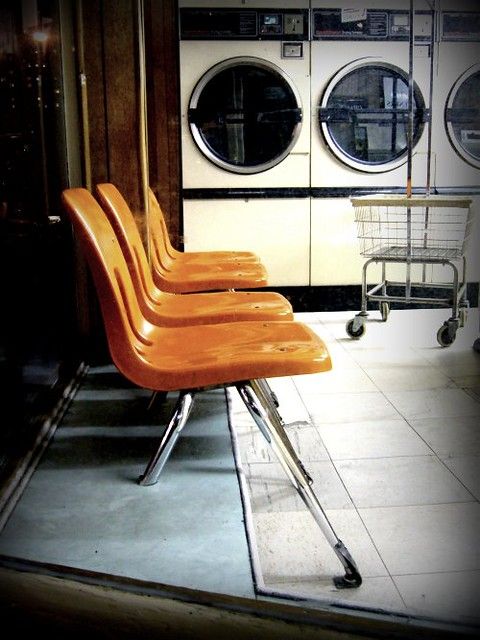
Before every pocket held a screen, waiting had its own texture. You stood at the bus stop and watched the traffic. You sat in the laundromat while the dryer turned. You looked out the window of a waiting room at the light on the building across the street.
Nothing much happened in those minutes, and that was the point. The mind drifted. A half-formed idea for a birthday gift arrived out of nowhere. A worry that had felt huge at lunch shrank back to its real size somewhere between two stations. A name you had been trying to remember all week simply surfaced.
Those empty stretches were not wasted. They were where the mind did its quiet sorting, connecting one thought to another without being asked. Today, that sorting time is often filled before it has a chance to begin.
Why it feels worse than before
If Wilson's participants found stillness hard even without phones, why does it seem harder now?
Part of the answer may be practice. As one writer covering the study noted, because devices are so readily available, people don't get much practice in just thinking. Like any skill we rarely use, it starts to feel awkward.
There is another shift, too. When every gap can be filled, leaving one unfilled begins to feel like a waste. Standing in a queue with empty hands can feel almost like doing something wrong, as if you are falling behind on a race nobody announced. We have quietly absorbed the idea that a good use of time means always doing something, even when that something is scrolling past things we will not remember.
So the discomfort is not a personal flaw. It is what happens when a whole culture forgets that a pause can be enough on its own.
Five pockets of quiet to try
None of these require extra time. They borrow from moments you already have.
Wait for the elevator with empty hands. Let the thirty seconds be thirty seconds. Notice the hum of the cables, the sound of the lobby.
Keep your phone in your pocket in a queue. Look at what is around you instead: the person ahead, the light, the small details of a place you usually rush through.
Drink the first sip of coffee without reading anything. Just the warmth, the taste, the first moment of the morning.
Sit for one minute in the car before you drive off. Engine off, or simply still. Let the last place settle before you head to the next.
Look out the window while you wait. At the doctor's office, the laundromat, the bus stop. The view does not need to be beautiful to be worth a minute.
If you would like a gentle reminder, a soft bell from an app like Zen Bell can mark one of these moments for you, a quiet signal to stop for a few seconds before carrying on.
Next time the elevator is on the ninth floor, try leaving your phone where it is. Stand there for the full thirty seconds and see what arrives.
Maybe it will be a little restless at first. Maybe a thought you did not know you were waiting for. Either way, the doors will open, and you will step inside having spent half a minute simply being where you are.